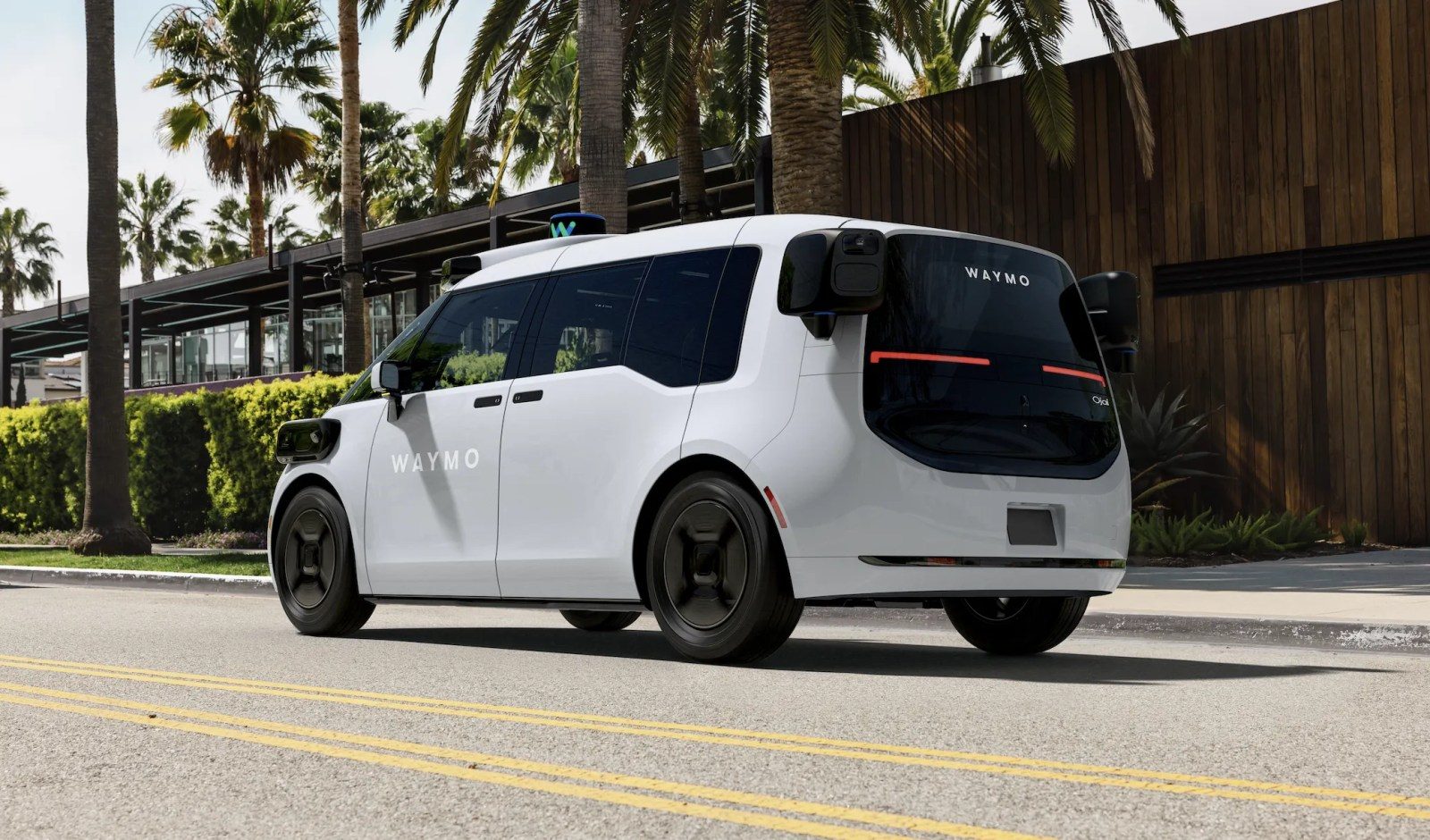

Waymo launched its paid robotaxi service on Tuesday in Denver, San Diego and Tampa, extending the Alphabet-backed operator’s fully autonomous ride-hailing network to 14 US cities.
Tens of thousands of riders in each city had already signed up before the service went live, the company said.
Denver’s service area covers 59 square miles, San Diego’s spans 47 and Tampa’s runs across 44 — a combined 150 square miles of new coverage.
According to Waymo, more riders will steadily gain access in the coming weeks as each market works toward an open service.
“From coast to coast, we’re focused on making everyday transportation safer, easier, and more accessible,” the company’s Chief Marketing Officer Suzanne Philion stated.
Tampa Welcomes Second Operator
Tampa became the latest US city where both Waymo and Tesla operate commercial robotaxi services simultaneously — after Dallas, Houston, Miami, and Orlando.
The Elon Musk-led company expanded its unsupervised ride-hailing service to Tampa and Orlando in July, making the Florida market one of the latest markets where its Model Y-based robotaxis carry paying passengers.
Waymo’s Tampa geofence is nearly double the size of Tesla’s, however.
According to geofence data shared on Monday by X user and Tesla shareholder Sawyer Merritt, Tesla’s Tampa service area covers roughly 24 square miles — compared with 44 for Waymo.
The two companies operate on fundamentally different technical architectures.
Waymo Ojai vehicles are equipped with 13 cameras, four lidar units and six radar sensors, with no human behind the wheel.
According to Forbes, Waymo has imported more than 3,200 Zeekr vehicles through the Port of Los Angeles since 2024, more than 2,600 of them in 2026 alone, paying a tariff of roughly 127.5%.
Tesla deploys its Full Self-Driving software — classified by California regulators as SAE Level 2 — on production Model Y vehicles, and operates unsupervised rides only in Texas and Florida.
Waymo published a blog post last week arguing that a driver-assistance system cannot be improved into a truly self-driving one, calling such an approach a ‘false summit’ in autonomy — without naming Tesla directly.
Co-CEO Tekedra Mawakana has previously called for federal regulators to establish a national standard requiring autonomous vehicle developers to demonstrate safety.
At the same time, co-CEO Dmitri Dolgov separately aimed indirect criticism at Tesla over a lack of transparency on safety data.
Zoox Expands to San Diego
Separately on Tuesday, Amazon-backed Zoox announced an expansion into Houston and San Diego, saying a test fleet would head to both cities later this month to map streets ahead of autonomous rides.
The operator framed the push as preparation for the cities’ distinct driving conditions — Houston’s heat and heavy rain, and San Diego’s coastal fog and freeway corridors.
San Diego will now host both Waymo and Zoox test vehicles alongside their respective commercial rollouts, while Houston adds a third autonomous operator to a market where Waymo and Tesla already run paid services.
Scale and Fleet Growth
Waymo now operates between 3,500 and 4,000 driverless vehicles across its US markets.
The company completes more than 500,000 paid trips a week and has logged over 200 million fully autonomous miles, claiming the Waymo Driver is involved in 94% fewer serious injury or worse crashes compared with human drivers over the same period.
A year-end target of one million weekly trips remains in place.
Fleet growth is accelerating.
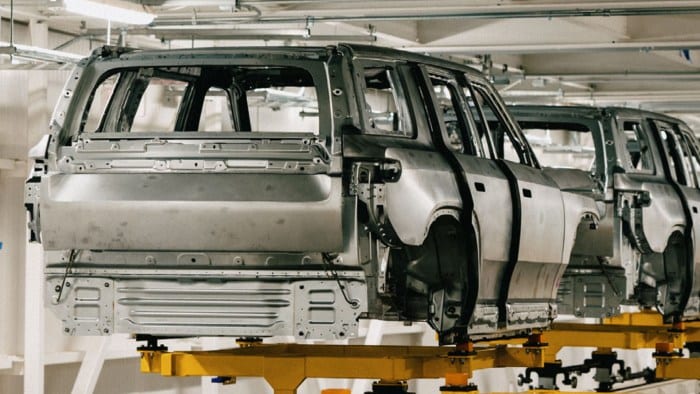
Hundreds of Waymo’s newest Ojai robotaxis have been arriving at the Port of Los Angeles without sensors, which are installed at a Magna-operated facility in Mesa, Arizona.
New York research firm MoffettNathanson projects a total of 5,000 by year-end, more than double the existing Jaguar I-Pace fleet.
About 300 Ojai units were in commercial service as of August 19, a spokesperson told TechCrunch.
Waymo has also recently revealed a custom 5nm chip powering its robotaxis, part of a broader push to bring more of its technology stack in-house.
The company raised $16 billion at a $126 billion valuation earlier this year.
A Wider Race for Coverage
Tuesday’s launches arrive two days before Tesla holds an invitation-only Cybercab event in Austin on September 3.
The two-seat vehicle, which has no steering wheel or pedals, began production at Giga Texas in February and has been in engineering tests on public roads since late June.
Tesla has targeted paid Cybercab rides before year-end.
Nevada’s Transportation Authority approved commercial robotaxi permits for Tesla, Waymo and Uber in August, clearing up to 7,000 autonomous vehicles for deployment across Clark County.
Tesla secured the largest allocation at 5,000 vehicles, though its Cybercab Chief Engineer Eric Early told regulators the company would be satisfied to reach roughly 2,500 within 12 months.
Waymo received approval for up to 1,000 and has already begun fully driverless operations in Las Vegas.
Beyond the US, Waymo is preparing for international launches. About 100 Jaguar I-PACEs are testing across 19 London boroughs.
The company announced Munich as its second European city with commercial rides targeted for late 2027, registered a Korean subsidiary in July and took its first step into southern Europe earlier this summer.
Tokyo has also been named as a future market.