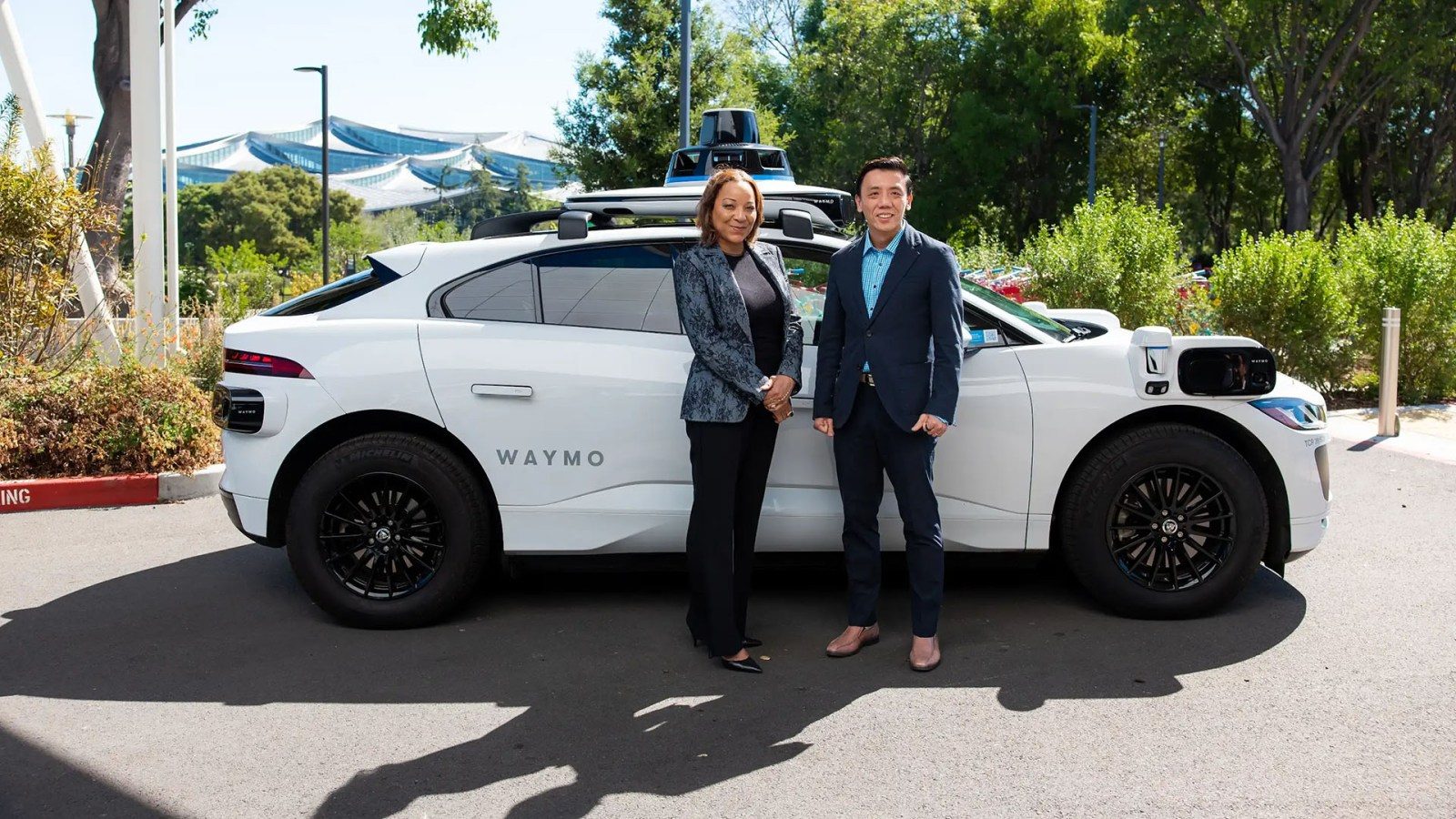

Waymo will bring its fully autonomous, electric ride-hailing service to Singapore in 2028, working with the Ministry of Transport and the Land Transport Authority, the Alphabet unit said on Thursday.
It is the company’s first named market in Southeast Asia and its fourth international target.
An initial fleet of Jaguar I-PACE vehicles arrives in the coming months as Waymo sets up local operations. Singapore is Waymo’s second Asian market after Japan, where it signed with taxi operator Nihon Kotsu and the GO app in December 2024 and began testing in 2025.
Trained autonomous specialists will drive the cars manually through 2027 to map the city and adapt the Waymo Driver to local road geometry and monsoon weather.
Commercial rides follow in 2028 through the Waymo app, subject to approvals the company does not yet hold.
Waymo has not disclosed fleet size or charging arrangements. The company said it expects to hire locally for fleet maintenance, validation driving and customer service.
The West Side First
The service will start in western Singapore, around Labrador and HarbourFront, Transport Minister Jeffrey Siow said at the launch event.
That detail does not appear in Waymo’s own announcement, which names no geography at all. The area includes industrial zones with thinner transport links, away from Punggol, where Singapore’s existing autonomous shuttle trials run.
Singapore’s Economic Development Board is also involved alongside MOT and LTA. Unlike Tokyo, where Waymo will launch through the GO taxi app as well as its own, no local ride-hailing partner has been named in Singapore. Riders will book through the Waymo app.
The Pitch
Waymo is selling the service as a complement to public transport rather than a competitor to it.
It says more than a third of its San Francisco riders are picked up or dropped off near transit stations, and it wants to bridge first-and-last-mile gaps across residential and commercial hubs.
The electric fleet is tied to the Singapore Green Plan 2030. Waymo says its fleet at current scale prevents an estimated 480 metric tonnes of carbon dioxide from road travel each week, a figure drawn from its US operations.
The third element is the sensor suite of LiDAR, radar and cameras, which the company says gives a 360-degree view designed for cautious, predictable behaviour around pedestrians, cyclists and other vulnerable road users on dense streets.
“Singapore has built one of the safest, most efficient, and most forward-thinking transportation ecosystems in the world,” said Tekedra Mawakana, Co-Chief Executive Officer of Waymo. “Their focus on reliability, sustainability, and human-centric progress directly mirrors how we have built Waymo’s technology and service.”
Third Operator
Waymo joins ComfortDelGro and Grab as Singapore’s third autonomous vehicle operator. Grab, which launched the country’s first public autonomous ride service in Punggol in April, said on September 14 that it would expand its fleet from 10 to 50 vehicles over six months and widen coverage beyond the estate.
The government has designated Punggol as a test bed for physical AI. Siow said Singapore’s total autonomous fleet will reach several hundred vehicles within two years.
Both incumbents run Chinese technology, Grab with WeRide and ComfortDelGro with Pony.ai. Waymo arrives later and at a higher price point, betting that a documented safety record wins a market that has already tried the alternatives.
Jobs Before Fleets
The LTA attached a labour condition to the announcement. The government “will not allow AV deployment to run ahead of our ability to retrain and support affected drivers,” it said, building on a manpower transition package announced in July.
That is a firmer constraint than anything Waymo faces in its US markets, and it sets the pace of any expansion beyond the initial zone.
Siow framed the entry around road safety, noting Singapore still records one fatal road accident every three days.
The Numbers Waymo Is Using
The announcement cites more than 20 million fully autonomous rides, more than 300 million fully autonomous kilometres and a 94% reduction in injury-causing crashes against human drivers in the US cities where Waymo runs driverless.
Those figures sit awkwardly against Waymo’s own recent disclosures. When it announced Munich three weeks earlier, the company was citing more than 350 million kilometres. Its June safety update covered more than 220 million fully autonomous miles, about 354 million kilometres, through the end of March.
The safety percentage also shifts by market. Singapore gets 94% fewer injury-causing crashes, the US city posts use 94% fewer serious-injury-or-worse crashes, and the Allianz partnership announced this week uses a 16-fold reduction in serious injury crashes. Waymo publishes the underlying data but not the arithmetic connecting the three framings.
Still No Driverless
Singapore is the furthest out of Waymo’s four international targets.
Tokyo is set for 2027 with Nihon Kotsu and GO, Munich for late 2027, and London was promised for 2026 and has not cleared the three permits it needs.
The Singapore fleet will use the fifth-generation Jaguar I-PACE rather than the Zeekr-built Ojai that carries the sixth-generation Waymo Driver in Denver, San Diego and Las Vegas.
Waymo has not said whether the newer platform will go abroad.