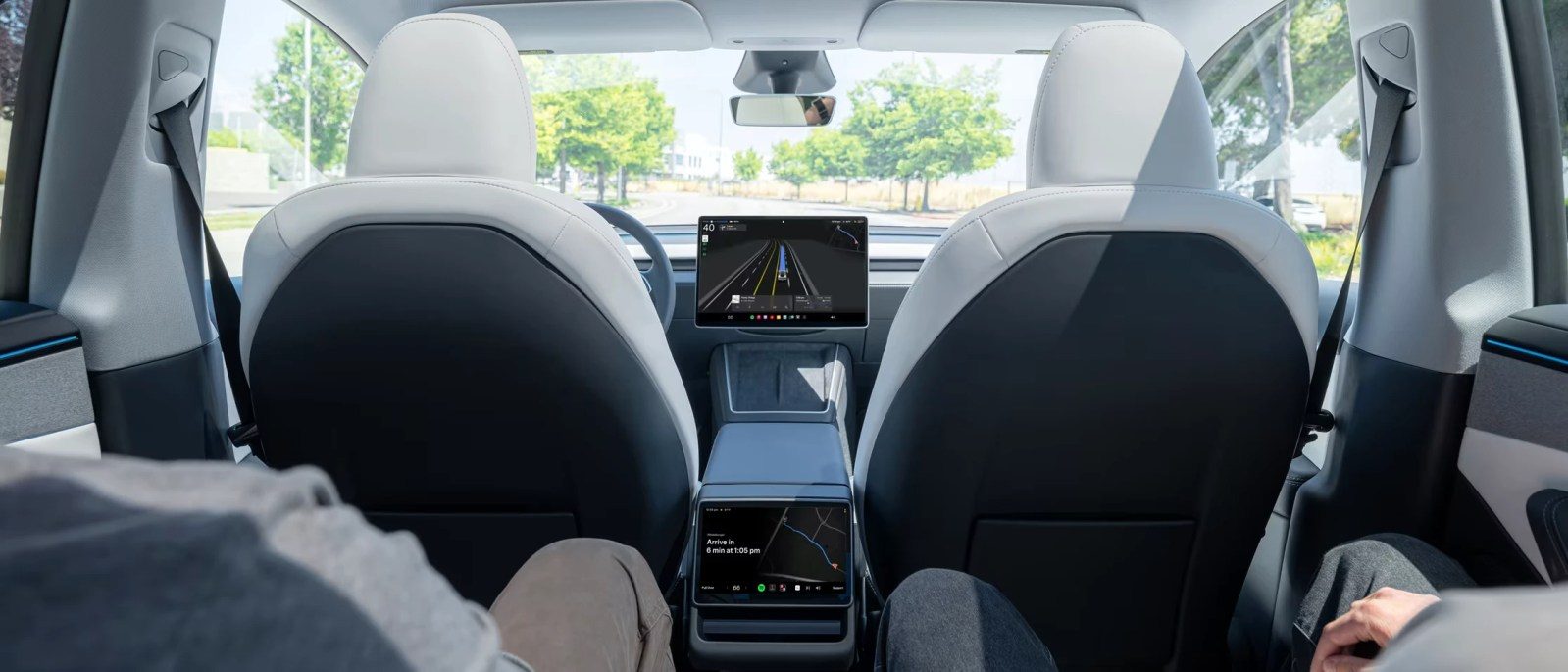

Tesla registered 58 new Model Y vehicles with the Texas Department of Motor Vehicles, expanding its state robotaxi fleet by roughly 50% overnight.
Registration data from platform Texas Autonomous Vehicle Fleet Tracker shows the company’s total Texas-registered autonomous vehicles jumped from 117 to 175 in a single filing batch — all dated July 15.
The Robotaxi Tracker platform, which monitors fleet deployments across operators, had Tesla‘s Texas DMV-registered count at 117 as of earlier this week and had not yet updated to reflect the new additions at the time of writing.
Fleet data from both platforms confirms the vehicles are all Model Ys, consistent with the modified units Tesla has been using for its ride-hailing service since the Austin launch in June 2025.
The batch registration marks the largest single-day addition to Tesla‘s Texas robotaxi pool since the service began operating.
Previous expansions came in increments of one to five vehicles at a time.
The new data does not distinguish which city the new vehicles have been allocated to — Austin, Dallas, Houston, or a new market — or whether they will run unsupervised or with safety drivers inside.
However, the move comes exactly one week before the company’s Q2 2026 earnings call on July 22, mirroring a pattern of fleet-related announcements in the days surrounding quarterly results.
In late January, Tesla removed chase vehicles from driverless trips and declared FSD “100% unsupervised” on the same day as its Q4 2025 earnings call.
Last April, the company launched unsupervised robotaxi rides in Dallas and Houston four days before reporting Q1 results.
The 58-vehicle registration a week before the July call follows the same cadence.
From Austin to Four Markets
Tesla‘s ride-hailing service launched on June 22, 2025, in Austin with a fleet of roughly ten modified Model Ys and a safety monitor seated in the passenger seat.
The service was also launched in the Bay Area as a ride-hailing service, with a safety monitor in the driving seat, due to California’s tighter regulation.
In Texas, Tesla began testing rides without safety operators for employees in December 2025, before transitioning to unsupervised public rides earlier this year.
By late April, the unsupervised fleet stood at 25 vehicles across the three Texas cities — 19 in Austin, three in Dallas, and three in Houston.
The service expanded to Miami in early July, marking Tesla‘s first robotaxi market beyond Texas and the San Francisco Bay Area.
Florida’s permissive autonomous-vehicle rules eased the regulatory path, though Tesla did not disclose the initial fleet size or whether the Miami operation runs supervised.
Austin remains the anchor market.
In June, the company extended the service area to the entire Austin metro, although independent observers estimated only around 20 vehicles were actively operating across that zone — a recurring gap between registered vehicles and units on the road.
Robotaxi Tracker data as of Thursday showed 28 vehicles tracked in Austin, five in Dallas, and six in Houston, for a total of 39 unsupervised vehicles across all three Texas cities.
Bay Area Fleet
The Bay Area operation remains structurally distinct.
California law bars driverless ride-hailing without permits Tesla has not applied for, so the service runs with a safety driver behind the wheel under a state charter-permit designation.
The company had registered more than 1,600 vehicles for ride-hailing in California by late 2025, a far larger footprint than its driverless Texas fleet.
Robotaxi Tracker shows 768 total tracked Tesla vehicles across all markets, with the Bay Area accounting for the majority.
The supervised California operation more closely resembles a conventional ride-hailing experience in which the driver utilises Tesla‘s Full Self-Driving software, rather than the fully driverless model running in Texas.
Dallas and Houston Addition
Tesla began offering unsupervised rides in Dallas and Houston on April 18, starting with a single vehicle in each city.
Within days, a second vehicle was added in both markets.
Availability in the first 24 hours was negligible — Robotaxi Tracker data showed 0% to 2% — with only brief spikes before dropping back to zero.
The expansion to these two cities fulfilled part of a roadmap Tesla outlined at its Q4 2025 earnings call on January 28, when the company listed seven new cities for robotaxi service in the first half of 2026: Dallas, Houston, Phoenix, Miami, Orlando, Tampa, and Las Vegas.
Of those seven, only Dallas, Houston, and Miami have launched as of mid-July.
Phoenix, Orlando, Tampa, and Las Vegas remain in preparation, with vehicles spotted testing in several locations but no confirmed service dates.
CEO Elon Musk said in May at the Smart Mobility Summit in Tel Aviv that the company already has unsupervised vehicles operating in three Texas cities and predicted the service would be “widespread in the US by the end of this year.”
Cybercab and Fleet Scaling
The vehicle meant to replace the Model Y in the robotaxi fleet is the Cybercab, a two-seat model with no steering wheel or pedals designed solely for autonomous use.
The first production unit rolled off the Giga Texas line on February 17, roughly six weeks ahead of the reaffirmed schedule.
Volume production followed in April, and by mid-year Tesla had shifted the line to steering-wheel-free builds.
Earlier this month, Tesla said it had begun engineering tests of the first production Cybercab on Austin public roads.
Drone footage showed the outbound lot had thinned to roughly 50 to 60 units as vehicles were hauled off-site, while Cybercab-branded units drove fully autonomously on a dedicated test track at the factory.
Morgan Stanley analyst Andrew Percoco projected in December that Tesla would operate 1,000 robotaxi vehicles by the end of 2026, a target that would require the fleet to roughly quintuple from its current registered base of 175 Texas vehicles.
Tesla‘s Q1 update stated that once in production, Cybercab would begin replacing the existing Model Y fleet and become the highest-volume vehicle in the robotaxi network over time.
Shareholders on Scaling Constraints
Tesla‘s Q2 2026 earnings call on July 22 will be the company’s next opportunity to address fleet growth, Cybercab production rates, and expansion timelines.
The Say Technologies platform, which Tesla uses to collect retail-investor questions ahead of each call, opened submissions earlier this week.
As of Thursday, the second most-voted question on the platform — representing more than 4.7 million shares — reflects a recurring theme across recent earnings cycles.
“What are the main constraints to expanding robotaxi operations faster, and how do you see that lining up with Cybercab production?,” a retail investor asks.
Tesla‘s 175 Texas-registered vehicles compare to 642 for Waymo, 317 for Avride, and 44 for Zoox on the same state registry, according to the Texas Autonomous Vehicle Fleet Tracker.
Alphabet-backed Waymo launched in Dallas and Houston in late February, roughly two months before Tesla entered the same markets.