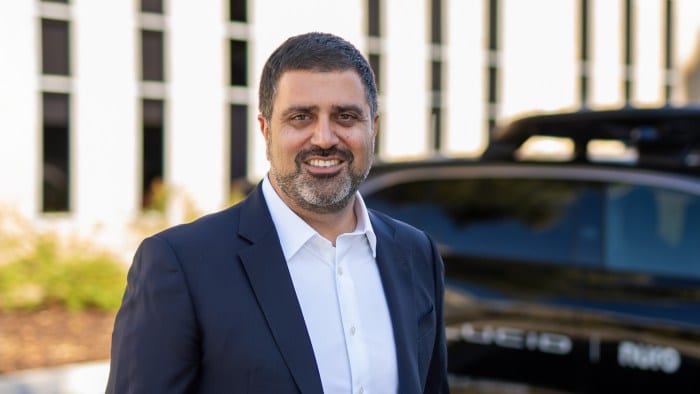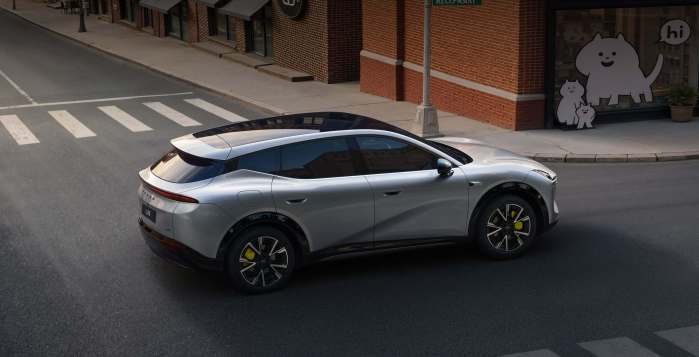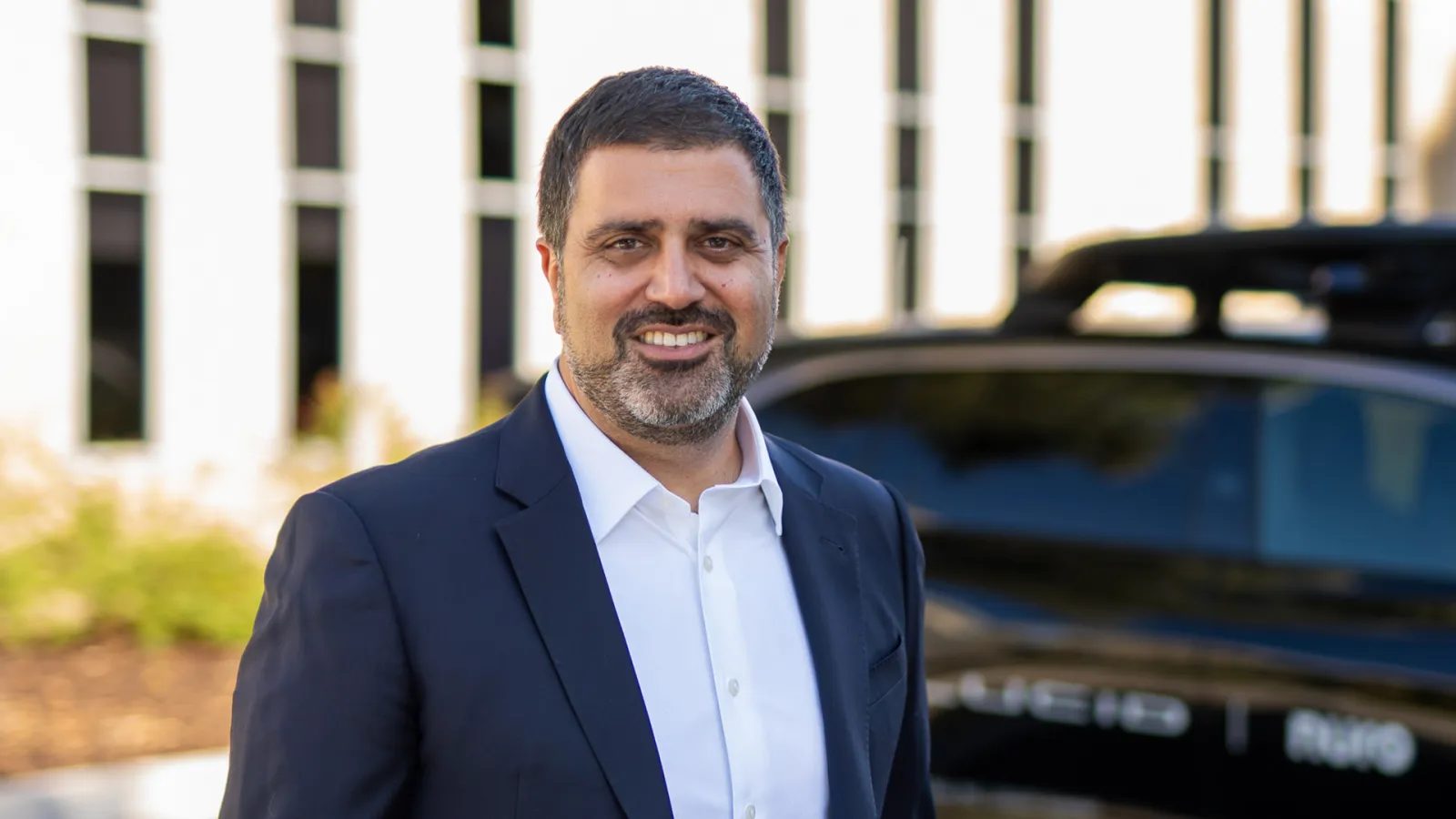

Nuro, the autonomous-driving company building the self-driving system for a robotaxi program with Lucid and Uber, appointed Rajiv Bhatia as Chief Product Officer on Thursday, with less than three months left in the year in which the partners aim to begin commercial service in the San Francisco Bay Area.
Bhatia will lead the product strategy and roadmap for the Nuro Driver, which the company describes as an AI-first self-driving system for automakers, mobility providers and logistics companies.
He was most recently VP of Product at Roblox and, before that, VP of Product, Rideshare, at Lyft.
“As Nuro moves into a period of meaningful commercial expansion, Rajiv’s experience will be invaluable,” Co-Founder and Co-Chief Executive Officer Jiajun Zhu said.
Zhu said Bhatia has “a proven track record of navigating the technical, operational, and regulatory pressures that come with emerging technologies.”
“Nuro is entering an important next phase: Turning its proven level 4 autonomy technology and experience into a platform that can support broader adoption through partnerships and new consumer applications,” Bhatia said.
Nuro said it will develop products for commercial fleets, consumer-facing transportation networks and personal vehicles under his leadership.
A Second Senior Hire in Five Months
Bhatia joins a leadership team reshaped over the past year, after co-founder Dave Ferguson was elevated from President to Co-Chief Executive Officer in October 2025.
Under that split, Zhu oversees product and technology and Ferguson oversees capital and commercial partnerships, Nuro said at the time.
Bhatia is Nuro’s second senior appointment in five months, after it named Michael Mancini Chief Financial Officer in May, ending a vacancy of about 32 months in that role.
Nuro’s leadership page now lists Bhatia alongside Co-Chief Executive Officers Jiajun Zhu and Dave Ferguson, Chief Operating Officer Andrew Chapin, Mancini and Chief Legal and Policy Officer James Owens.
In July, Nuro advertised a Head of Product position in Mountain View reporting to a co-chief executive, with a base salary range of $235,000 to $352,000, according to a job listing that has since closed.
The listing said the role would set company-level product strategy and shape how Nuro scales “across customers, markets, vehicle platforms, and use cases.”
Nuro did not say whether Bhatia’s appointment fills that position.
The company shifted in 2024 from building its own delivery vehicles to licensing the Nuro Driver, and raised $203 million in its Series E round in 2025 at a $6 billion valuation, with Uber and NVIDIA among the investors.
That valuation was below the $8.6 billion at which Nuro raised $600 million in 2021.
Nuro has also started testing abroad, saying in March that its vehicles were driving autonomously with safety operators in Japan, and announcing a European base in Germany in May.
The Launch Countdown
Thursday’s announcement said the robotaxi program will launch first in the San Francisco Bay Area and calls for a minimum of 35,000 vehicles globally across dozens of markets over the coming years.
When the partnership was announced in July 2025, Uber committed to deploy at least 20,000 Lucid Gravity SUVs with the Nuro Driver over six years and to invest $300 million in Lucid.
Lucid delivered the first engineering fleet to Nuro in September 2025, the partners chose the Bay Area as the first market in November and unveiled a production-intent robotaxi at CES in January, according to Nuro.
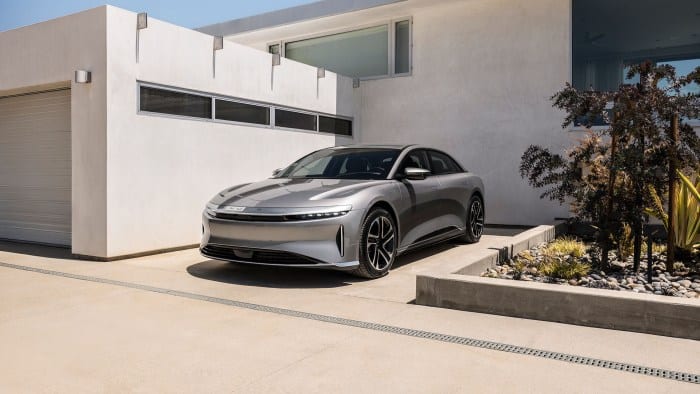
The vehicle carries cameras, LiDAR and radar, partly in a roof-mounted module Nuro calls the Halo, and runs on NVIDIA’s DRIVE AGX Thor computer.
On April 14, Uber added $200 million and raised its commitment to at least 35,000 vehicles.
In the spring, the California DMV expanded Nuro’s existing driverless testing permit to include the Gravity, allowing tests without a safety driver in Santa Clara and San Mateo counties at up to 45 mph, and on May 8 it announced a California Public Utilities Commission permit for a passenger pilot with safety drivers.
Uber employees began taking test rides in April, and Nuro released footage in May of a robotaxi driving autonomously through downtown Mountain View.
Nuro has not announced a permit to carry paying passengers in California without a safety driver.
Nuro said in July that the teams were gearing up “for launch later this year” after hosting Uber staff at its headquarters.
A timeline in Lucid’s first-quarter shareholder deck set the completion of 35 production-validation prototypes for August, the production of vehicles for commercial launch and the start of safety and validation work for early in the fourth quarter, and commercial operation for late 2026.
“Last month, we began delivering to Uber and Nuro production validation vehicles assembled at a facility in Coolidge, Arizona,” Lucid Chief Executive Officer Silvio Napoli said on August 4.
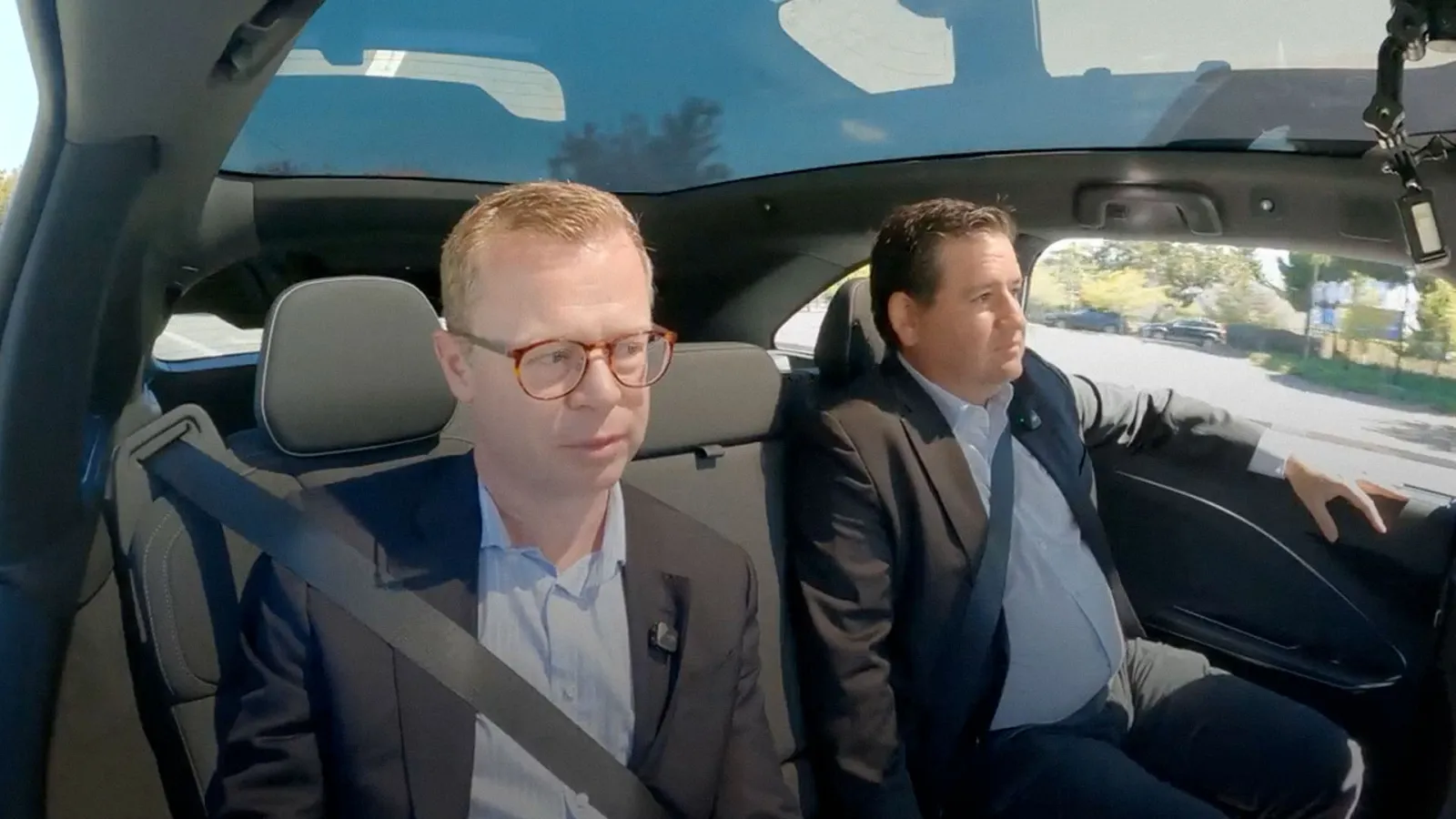
Napoli took his first ride in the robotaxi with Zhu in June, weeks after becoming Chief Executive Officer.
Napoli called the program a must-win project for Lucid and said it had an engineering fleet of nearly 100 vehicles in the Bay Area and Houston.
Nuro said on October 8 that the program had entered its production validation phase over the summer, describing it as “the transition from development-focused engineering vehicles to production-focused builds.”
The company said the vehicles would “play a critical role in validating the safety case for our future driverless ride-hailing service.”
None of the three companies has given a specific launch date for the Bay Area.
The program has also lost staff on Lucid’s side, with an assistant chief engineer on the robotaxi team leaving for NVIDIA in August.
Houston Next
Houston will be the program’s second market, with service expected in mid-2027, the companies said on June 17.
Uber has secured a 50,000-square-foot depot and a dedicated charging site there, and Nuro has operated in Houston since 2019, according to the release.
The service will use the Gravity at first, with Lucid’s future Midsize vehicles also planned.
Uber said in June that it was preparing a new autonomous-vehicle partnership in Phoenix after Waymo robotaxis left its app there, without naming the partner.
Lucid Chief Financial Officer Alexander De Bock rode in the robotaxi in the Bay Area in September and called it “unlike anything else on the road today.”
Separately, Lucid agreed with Bolt in September to develop autonomous services in Europe, with the Estonian ride-hailing company aiming for at least 25,000 Lucid vehicles built on the Midsize platform.
All three companies have kept the end-2026 target for the Bay Area launch since the partnership was announced.
Lucid, which builds the vehicles, drew another $400 million on October 6 from its credit line with Saudi Arabia’s Public Investment Fund.