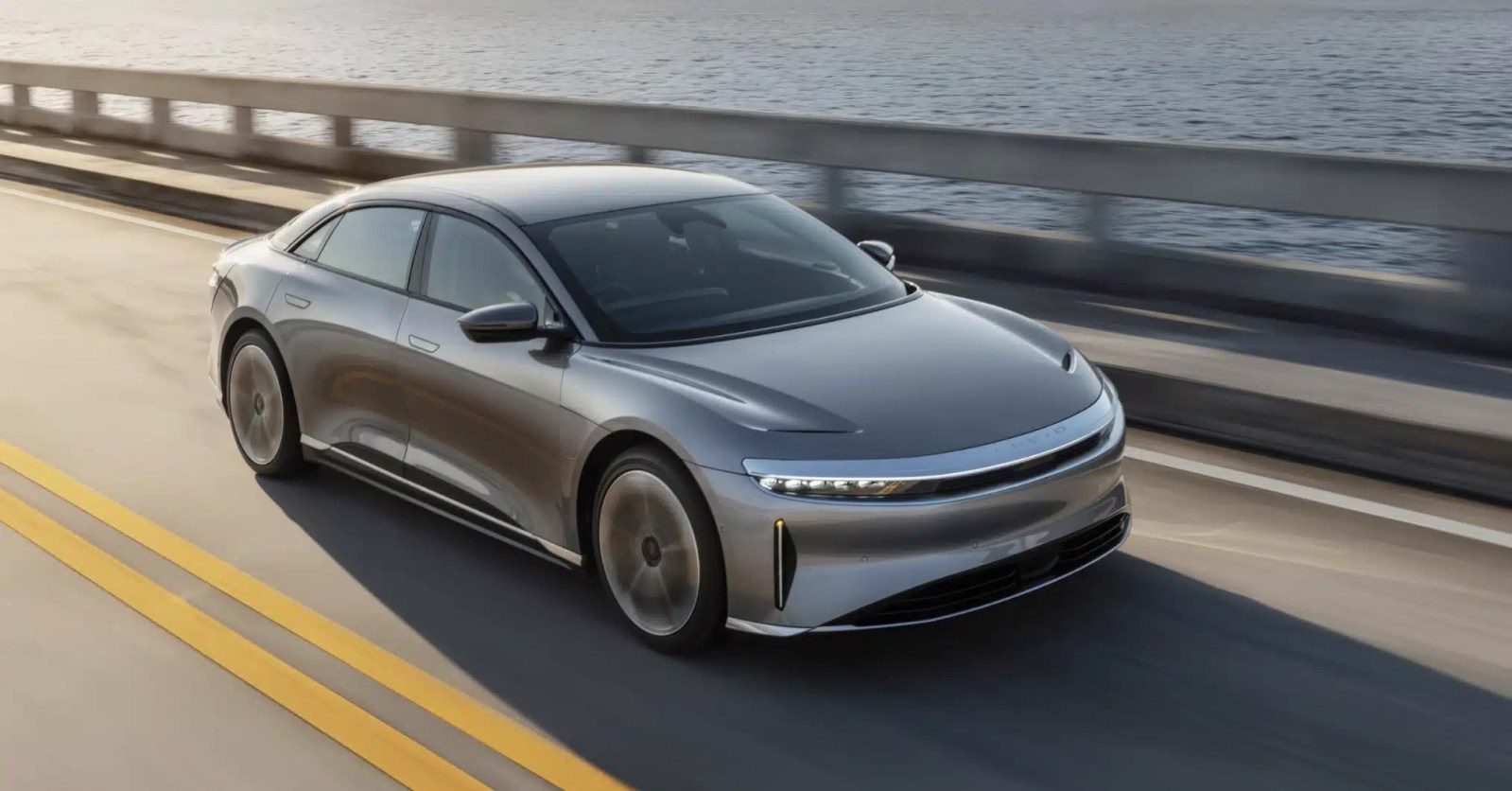

Lucid Motors’ vehicles are “on a different planet” in terms of ride comfort and driving dynamics compared to Chinese electric vehicles, interim CEO Marc Winterhoff said in an interview aired late Monday.
Asked about his opinion on Chinese robotaxis, such as Baidu’s Apollo Go, the executive said he has not yet tested them.
Uber, which said last week it will deploy 20,000 Lucid robotaxis over the next six years, had announced a week earlier a separate deal to bring Baidu’s Apollo Go autonomous vehicles to its platform in several markets outside the US and mainland China.
“How is it going over there [China] from your research and what you’ve experienced and seen?” Fox Business host questioned.
“Well, I have not been yet in a Chinese robotaxi,” Lucid‘s interim chief replied before saying he attended the Shanghai Auto Show.
“I was impressed about — you know — how much they came of age in the last couple of years since the last time I was there, when it comes to the product quality and the fit and finish,” Winterhoff said after driving “a lot of those [Chinese] vehicles.”
Despite praising the development of the Chinese automotive industry, the executive said Lucid is ahead on ride comfort and driving dynamics.
“And I have to say, we at Lucid, we definitely still have an edge when it comes to, you know, the ride comfort and, you know, the driving dynamics,” he stated.
“So I think we’re still on a different planet there,” Winterhoff added.
However, Lucid‘s interim chief cautioned that the US needs “to really keep innovating.”
“But there’s definitely a lot of things going on,” he said. “And we here in the US, we need to really keep innovating because they’re getting better every year.”
Shares of the EV maker fell 7.24% Monday, a drop the interim CEO attributed to retail investors taking gains from last week’s surge.
Lucid’s shares initially surged nearly 60% to $3.69 following the announcement of a partnership with Uber and the privately held firm Nuro to deploy 20,000 Gravity Robotaxis starting in a major US city by late next year.
CNBC’s Mad Money host Jim Cramer questioned on Monday the impact of the deal, arguing that the investment lacked the scale or strategic substance to meaningfully change Lucid’s trajectory.