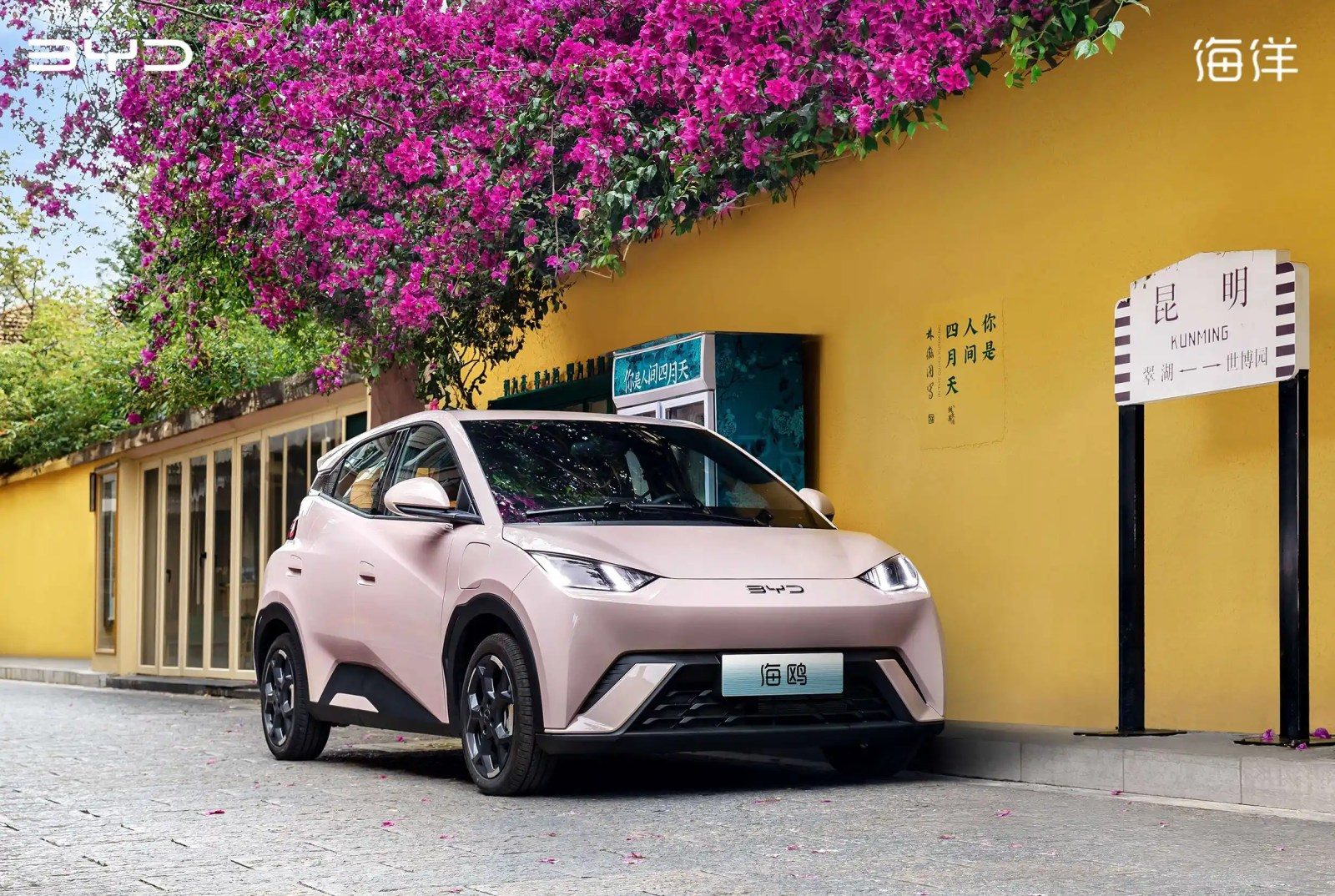

BYD Co. and Chery Group have not yet shipped their first vehicles for sale to Canada, China’s ambassador to the country, Wang Di said on Friday.
Geely Holding Group‘s Lotus will instead be the first Chinese-owned and built brand to arrive under a new trade deal, with cars due next month and a delivery ceremony planned in Montreal.
The two larger automakers are still completing steps with Canadian agencies, and Wang told Reuters he hoped they would enter in the autumn.
For now the only China-built electric vehicles selling in Canada are Tesla Model 3s shipped from Shanghai.
The Trade Deal
The agreement, struck by Prime Minister Mark Carney and Chinese President Xi Jinping, lets up to 49,000 Chinese electric vehicles enter Canada each year at a significantly reduced tariff.
A 6.1% rate replaced a 100% surtax that had made the cars commercially unviable, part of Carney’s push to diversify trade away from the United States.
Permits opened on March 1, with the first 24,500 vehicles allotted through August 31 on a first-come basis and a second tranche from September.
Brands face a first-come, first-served design, which has pushed them to rush certification to claim space in the opening allotment.
Volumes rise to 70,000 units by the fifth year, with more than half required to sell below C$35,000 by 2030.
In return, China cut duties on Canadian canola to about 15% from more than 80%.
Two weeks after the quota opened, Global Affairs Canada had processed no permits, according to The Globe and Mail.
Lotus First
Lotus had positioned to be first across the line since the deal was signed.
The brand launched the Eletre SUV in Canada in April at C$119,900, down from C$313,500 under the old surtax, and loaded its first units at Shanghai port the following month.
A video on Chinese social media platforms showed 18 Eletres loaded for the crossing.
Customer deliveries had been set for the third quarter, the window Wang’s timeline now confirms, with the cars due next month and “a ceremony when the cars are delivered in Montreal,” he said.
“Canada has always been a strategically vital market,” Chief Executive Officer Feng Qingfeng said when the deal was signed in January.
Eletre orders had first opened in Canada at C$126,800 in 2024, before the 100% surtax made lower trims unviable, and the SUV rides an 800-volt architecture.
Built in Wuhan and sold through six Canadian dealerships it plans to double, Lotus is controlled by Geely, which bought 51% of the British marque in 2017.
Globally the brand spans 210 stores in 61 countries, and it used the Beijing Auto Show to unveil a 78-unit Eletre X marking its anniversary.
Production at the Wuhan plant began in 2022, inside a smart-vehicle industrial park.
Geely also fields two already-certified brands in Canada, Volvo and Polestar, and has welcomed the tariff cut as a step toward North American expansion.
Chery and BYD Wait
Chery has been the more active of the two in laying groundwork, hiring Canadian staff since January and filing trademarks for sub-brands including Omoda & Jaecoo, Exeed, iCar, Lepas and Luxeed.
Recruiters had approached Canadian engineers about roles in vehicle engineering, electrical architecture, intelligent driving and regulatory certification.
Vehicles from the company’s export-focused Omoda & Jaecoo line were spotted in Toronto earlier this year, though their registration status was unclear, and officials have said some cars arrived only for cold-weather testing.
The Wuhu-based group was China’s largest vehicle exporter last year, shipping more than 1.2 million cars abroad.
Advisory firm DSMA, which brokers talks between Chinese makers and Canadian dealers, has said all three brands aim to enter by the end of 2026, with months of certification work still ahead.
BYD has moved more slowly, with Executive Vice President Stella Li telling Reuters the company would likely begin Canadian sales next year.
Plans call for about 20 dealerships and a local factory, which Li said would not run through a government-backed joint venture.
Canada wants the newcomers to invest locally, and Wang said the manufacturers were willing to explore joint venturesbut would focus first on sales.
The Tesla Exception
Tesla is the one company already moving China-built cars into Canada under the quota.
The US maker pulled its US-built Model 3 from the Canadian market in March to import the sedan from its Shanghai plant at the 6.1% rate.
Pricing followed, with the Model 3’s starting point cut to C$39,490, which Tesla called the cheapest it had ever sold the car in North America.
That entry trim carries an estimated 463-kilometre range and reaches 100 kilometres per hour in 4.2 seconds, roughly 50% below the discontinued Long Range version.
On social media the carmaker billed the sedan as the most affordable it had ever been.
A separate model, the Model Y, is built in Europe to skirt US tariffs and sells at C$49,990, just inside Canada’s C$5,000 rebate.
Those China-made cars sit outside Wang’s framing of Chinese-owned brands, since the US company only sources them from China.
A Wider Thaw
The auto quota is one piece of a broader reset between Ottawa and Beijing.
Carney has set a target of lifting Canadian exports to China by 50% by 2030, a goal Chinese officials have suggested could climb higher.
Exports have already risen 27.5% in the five months since Carney’s January visit, Wang said, floating the prospect of a far larger jump.
His decision to admit Chinese EVs has drawn criticism from some US officials and lawmakers.
US Pressure
Lotus‘s Canadian arrival comes against rising US pressure on Chinese vehicle access to North America.
US Trade Representative Jamieson Greer this month reaffirmed that Biden-era curbs on certain Chinese vehicle software and hardware were working as intended, and the 100% US tariff on Chinese EVs remains in place.
Canada has signaled it wants genuine local manufacturing rather than kit assembly, rejecting a proposed Leapmotorknock-down arrangement at Stellantis‘s Brampton plant.
The country’s main industry lobby, the Canadian Vehicle Manufacturers’ Association, has backed opposition leader Pierre Poilievre’s plan to scrap the quota outright.