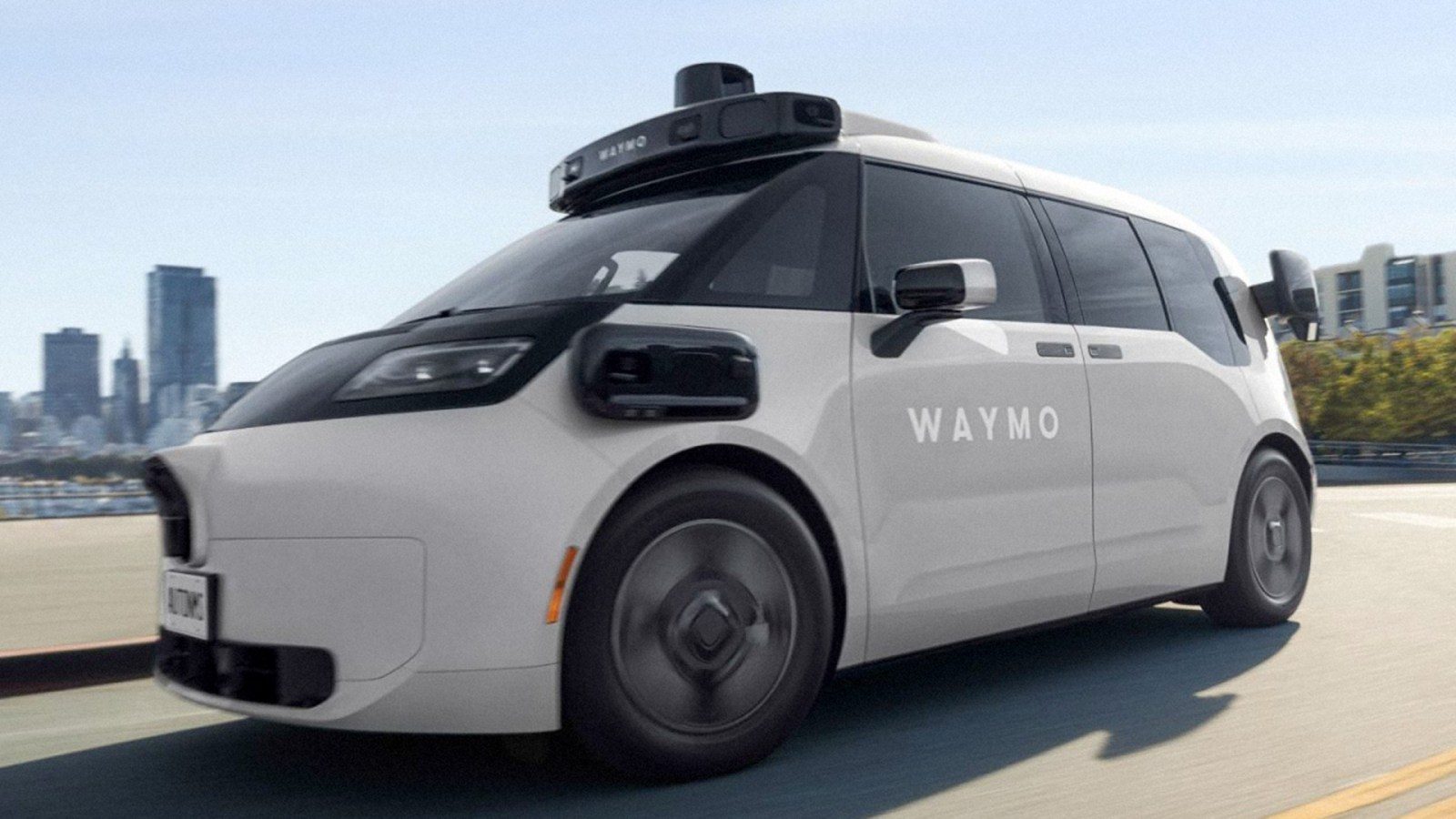

Ride-hailing drivers, union members and faith leaders rallied outside Washington’s city hall on Tuesday against a bill that would let Waymo and other operators run driverless taxis in the US capital, the latest sign of organised resistance to robotaxi expansion in American cities.
Dozens gathered outside the John A. Wilson Building, the seat of the DC Council, local broadcaster WTOP reported.
“Robotaxis don’t vote. We vote,” the crowd chanted.
“I don’t feel like this decision is made for constituents,” Helen Raynor, who drives for Uber and Lyft alongside a full-time job, told WTOP.
“I feel like it’s made to make businesses, and you know, owners of these autonomous vehicle companies happy,” she said.
Raynor said she sometimes earns up to $1,000 extra a month from ride-hailing.
“We cannot let our income, our hard-earned money, go to Silicon Valley and replace us with robots,” said Autumn Weintraub, Executive Director of the 32BJ App Drivers Union.
The council did not vote on the bill on Tuesday, and no vote has been scheduled.
What the Bill Would Do
The Autonomous Vehicle Deployment Authorization Amendment Act of 2026 was introduced on May 1 by Council Member Charles Allen, who chairs the transportation committee, with two co-introducers.
It would create a commercial autonomous vehicle programme run by the District Department of Transportation.
An operator would first need at least 180 days in the city’s testing programme and 250,000 test miles in the District, according to the bill text.
A permit holder “may operate up to 200 autonomous vehicles within the District” before the city approves its comprehensive plan, the text says.
“Beginning January 1, 2028, a permittee may launch on-demand autonomous vehicle network to be operated in the District,” it adds.
The bill sets a $1 million application fee and a $5 million permit fee.
It also imposes a tax of 15 cents per vehicle mile, with half the proceeds going to public transit and half to education and training for ride-share drivers.
Allen has described the measure as putting “guardrails on how this technology rolls out”, telling local station WJLA that the worker fund is something no other jurisdiction has.
The bill had a public hearing on July 13 with 81 witnesses and remains in committee.
Unions, Churches and Uber
Opposition is led by labour.
The Teamsters, the Service Employees International Union’s 32BJ branch and Amalgamated Transit Union Local 689 called on the council in July to reject the bill.
“The so-called ‘guardrails’ in this bill fail to protect workers,” Bill Davis, President of Teamsters Local 639, said at the time.
Clergy have joined them.
“When you replace the driver with a sensor, you’re not just changing the car,” Boise Kimber, President of the National Baptist Convention USA, said at Tuesday’s rally. “You’re taking bread from the table.”
The bill has also split the industry.
Uber opposes it and has lobbied for a rule requiring robotaxis to operate on platforms that also offer human drivers, TechCrunch reported in July.
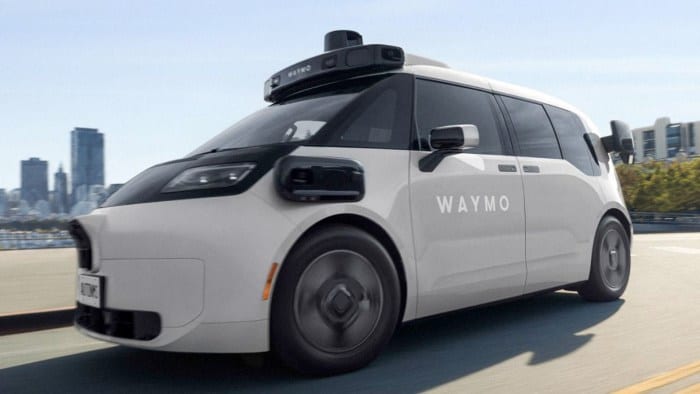
Waymo supports the bill.
“Our goal is to help the District make roads safer for everyone, and we’ve spent years testing and investing in the District,” the company said in a statement carried by local station Fox 5.
Waymo said in March 2025 that it planned to launch in Washington in 2026, and it has tested there with human safety drivers because city permits do not allow driverless operation.
Amazon’s Zoox is also testing in the city.
A Wider Pattern
Washington is not an isolated case.
Robotaxi legislation failed to pass in seven US states this year, according to a count by Axios in July that named Maryland, Minnesota, Missouri, Oregon, Virginia, Washington and Illinois.
The Teamsters, who have campaigned against the bills, publish a different list that includes New York and omits Missouri.
In New York, Governor Kathy Hochul proposed in January to allow commercial robotaxis outside New York City and withdrew the plan in February.
“It was clear that the support was not there to advance this proposal,” her Spokesperson Sean Butler told TechCrunch at the time.
Cities have begun to act on their own.
The Minneapolis City Council voted 7 to 6 on October 1 to require a human safety monitor with a driver’s licence in the driver’s seat of every robotaxi.
Mayor Jacob Frey has since vetoed the measure.
“Requiring a driver in a driverless car doesn’t make sense,” Frey said in a statement, adding that regulation was necessary “but not through a backdoor ban”.
Seven votes are short of the nine needed to override a veto.
Waymo has called the Minneapolis measure “a de facto ban on autonomous vehicles”.
California, where robotaxis already operate commercially, has tightened its rules.
Governor Gavin Newsom signed a law that penalises operators whose robotaxis block first responders for more than 30 minutes and requires them to provide local incident technicians, taking effect in July 2028.
What the Data Shows
The unions’ argument rests on what has happened where robotaxis already operate.
Waymo accounted for 15% of ride-hailing gross bookings in San Francisco, 15% in Los Angeles and 16% in Phoenix in June, within its operating zones, according to Yipit data cited by Business Insider.
Those shares were lower than in January in all three cities.
Driver earnings fell last year in Austin, Los Angeles, Phoenix and San Francisco while the national median rose 1%, according to Gridwise data cited in the same report.
The effect is likely to appear first as fewer trips per hour, not as drivers losing their jobs outright, Wharton professor Gad Allon told the outlet.
On safety, an Insurance Institute for Highway Safety study published in July found Waymo vehicles were involved in 68% fewer police-reportable crashes per mile than human drivers across four cities.
In Los Angeles, Waymo has asked its riders to lobby city officials for airport access.
The company is also expanding abroad, with testing underway in Munich, Germany.