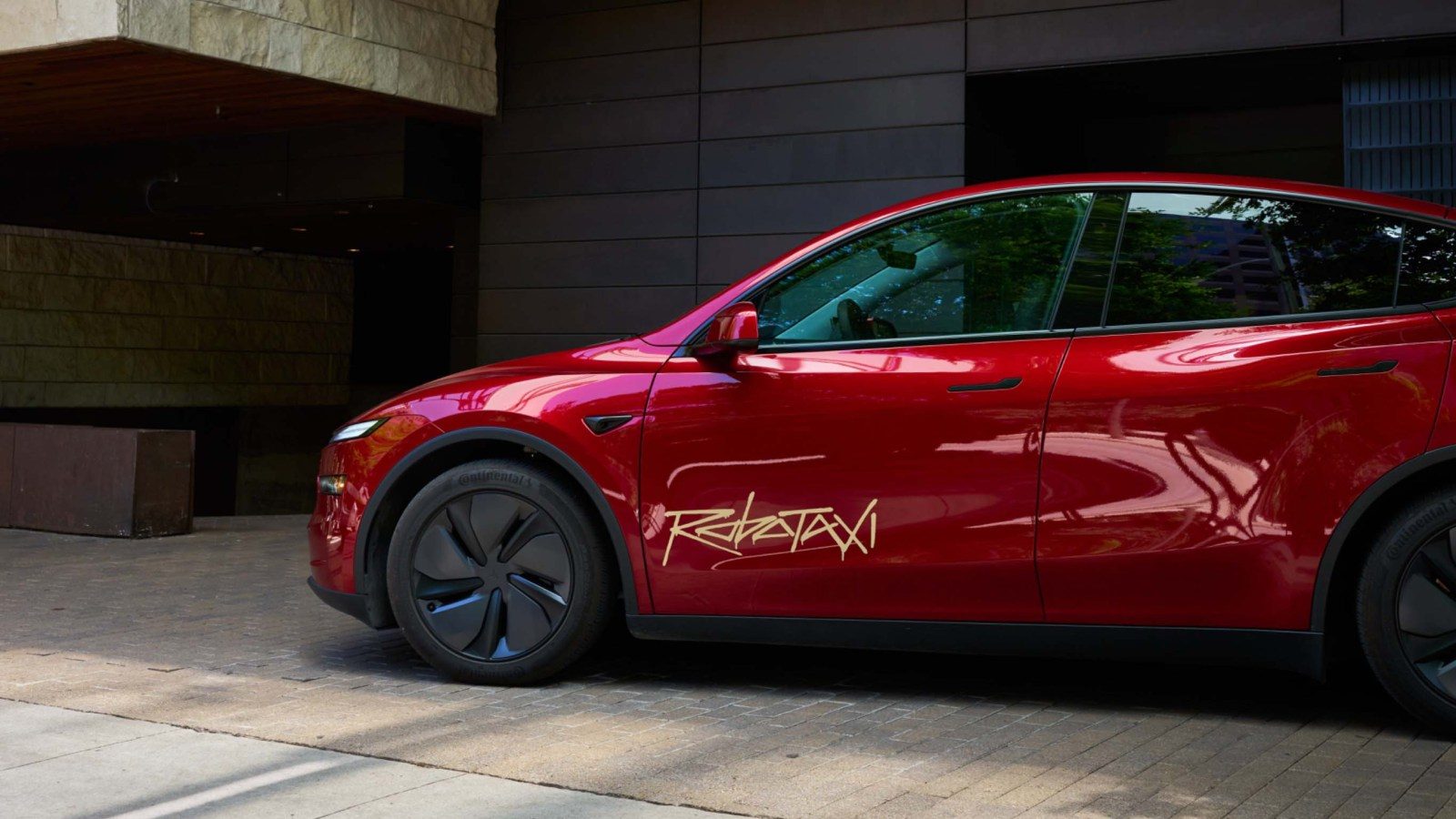

Tesla told riders on Wednesday that its Robotaxi service now runs from 6 a.m. to 10 p.m., seven days a week, that its unsupervised fleet is “a lot bigger” and that upgraded routing means shorter waits.
The company registered 79 additional Model Ys in Texas the following day, taking its state total to 270.
The image accompanying the post names Austin, Dallas, Houston, Miami, Orlando and Tampa.
The Bay Area does not appear on it and operates under a different regulatory arrangement in California.
The Registrations
The vehicle numbers are documented, and they moved sharply.
Texas requires autonomous operators to register vehicles with the state Department of Motor Vehicles. A tracker drawing on that registry recorded 79 Tesla Model Ys added on Thursday, a single-day increase of 41.4% on the previous total of 191.
The trajectory over the summer is steeper still. The registry showed 42 Tesla robotaxis in Texas when the reporting requirement took effect in late May. The figure now stands at 270.
It remains third in the state. The same registry lists Waymo at 736 vehicles and AVRide at 344, with Zoox at 44.
Tesla‘s 270 is 36.7% of Waymo’s Texas fleet.
Expanded Fleet
Tesla told JPMorgan this month that it was holding back on adding Model Ys while preparing to introduce the Cybercab.
The company has three near-term reasons to hold vehicles in Texas that have nothing to do with putting them on the road this week: staging around the Cybercab launch, preparation for San Antonio, which its own service map marks as coming soon, and the Nevada permit granted on August 20, which starts a clock on commencing operations in Clark County.
Other Texas Cities
Houston shows 29 plated vehicles and 22 seen carrying passengers in the past 30 days. Austin shows 133 plated and 23 active. Dallas shows nine plated and none active in the window, despite 13 logged rides in the sample.
Houston is therefore the only Texas market where most registered cars appear to be working. Austin holds nearly five times as many registered vehicles and puts a similar number on the road.
Across all three markets, 45 plates were seen active in 30 days against just below the registered total — prior to Thursday’s new batch.
Community tracking maintained separately estimates roughly 85 active commercial robotaxis across all of Tesla‘s live markets, a figure the company has not confirmed. That count covers a different universe from the Texas receipt sample and the two should not be added together.
“A Lot Bigger”
Tesla published no number for its unsupervised fleet, and the claim is compatible with two different things.
A larger unsupervised fleet need not mean more vehicles. It could mean vehicles moved from supervised to unsupervised operation, which changes the mode rather than the count. Which is happening is not something the available data settles.
The routing claim is the one Tesla credits for shorter waits, rather than a new Full Self-Driving release. Several mechanisms would produce that effect: depot pre-positioning, geofence adjustments, simply more cars in Houston, or a roaming function recently observed on the Cybercab that would move idle vehicles toward demand. The company specified none of them.
The Rides, and What They Cost
The crowdsourced sample is small and moves daily. As of receipts logged to Wednesday, the tracker recorded 286 rides.
Across all three Texas markets the average fare was $7.30 over an average of about three miles, or $2.31 a mile. Houston ran highest at $7.68 over 3.3 miles; Austin lowest at $6.46 over 2.7 miles.
Dallas sat between at $6.87 but took 14.2 minutes against Austin’s 9.8 for a similar distance. These are voluntary receipt submissions, not a complete record.
EV reported in April that Tesla was undercutting Waymo by roughly half on a comparable Dallas route.
Two Months, Six Announcements
Wednesday’s post is the latest in a dense run of autonomy milestones.
The Austin service passed its first anniversary on June 22.
A week later, on June 29, Tesla began rolling out FSD v14 Lite to early-access owners of legacy Hardware 3 cars, the first substantial Full Self-Driving update those vehicles had received since 2024; wide release followed on July 21. Robotaxi reached Miami in early July and Tampa and Orlando on July 21.
On August 20 the Nevada Transportation Authority granted Tesla Robotaxi LLC an Autonomous Vehicle Network Company permit covering up to 5,000 vehicles in Clark County, with the company targeting 2,500 robotaxis in Las Vegasin the permit’s first year.
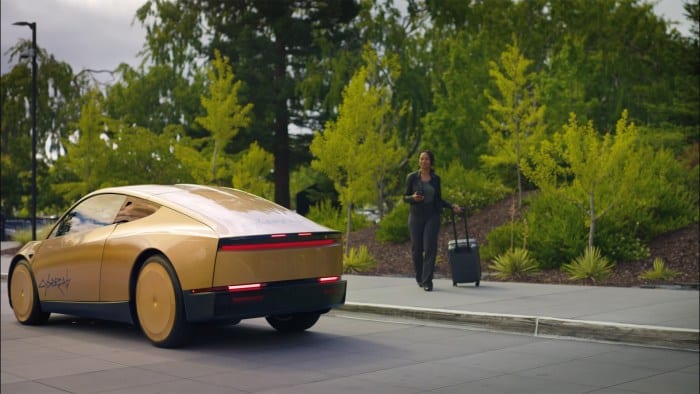
The Cybercab launch event follows in Austin on September 3, invitation-only, for a two-seat vehicle with no steering wheel or pedals built on a line Tesla lists at above 125,000 units of annual capacity.
The Semi is unveiled in Europe at IAA Transportation in Hannover from September 15, and the Sparks, Nevada Semi factory is inaugurated on September 24 — five months after the first truck came off its line on April 29.
Musk said in May 2025 that the robotaxi operation could reach around 1,000 vehicles within a few months, starting from roughly ten.