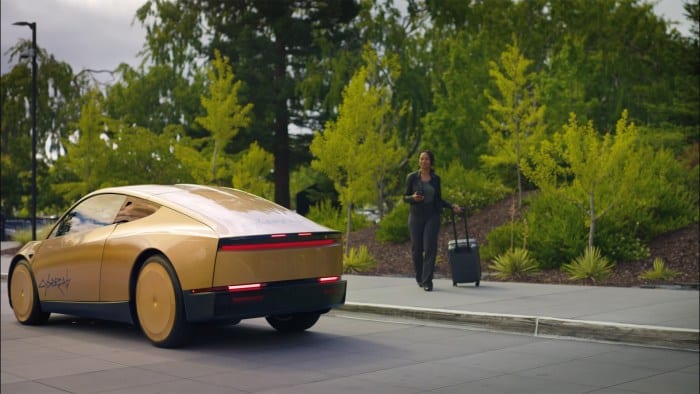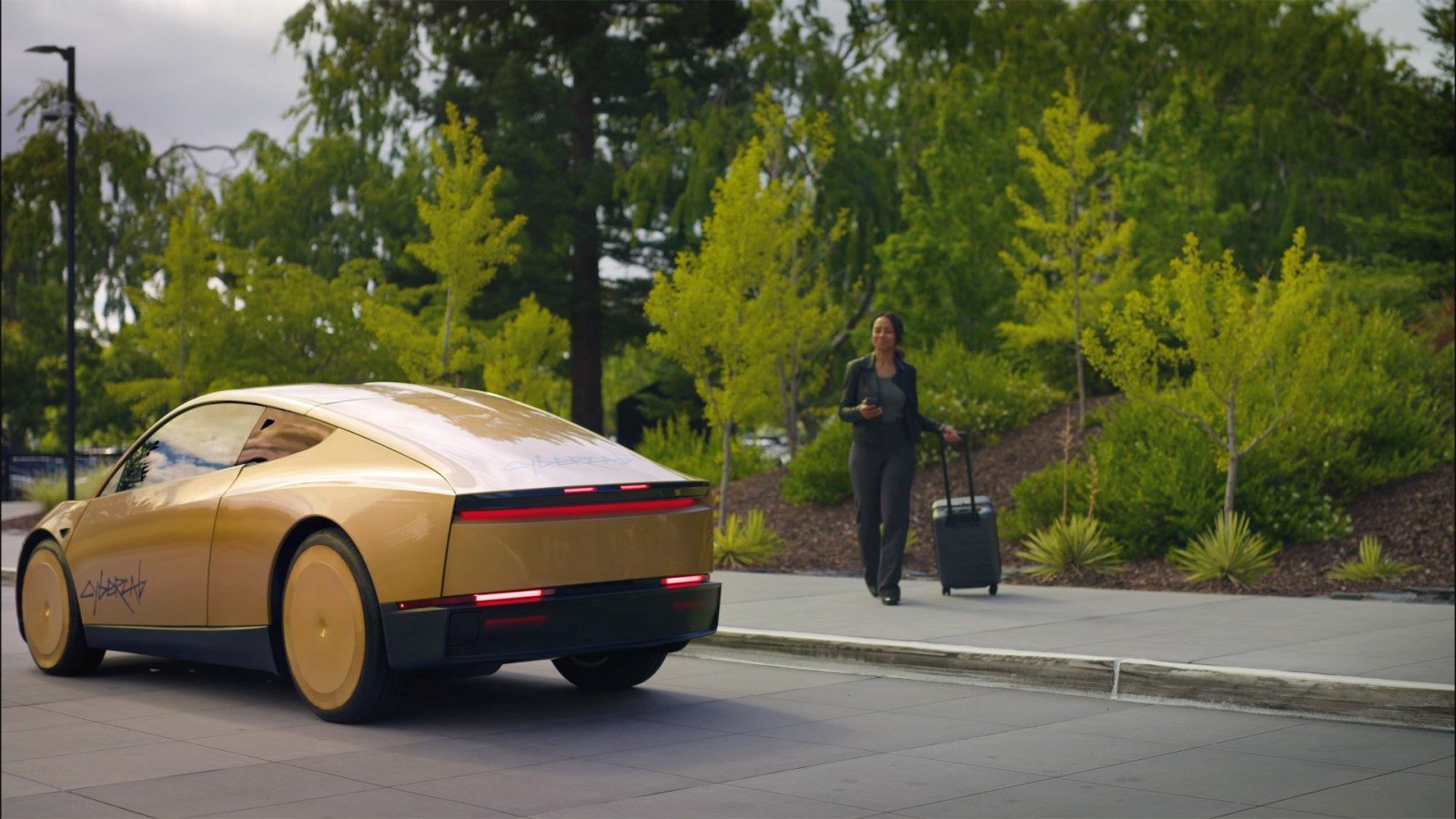

Tesla said it now has more than 300 Cybercabs serving Austin, an eightfold increase in 30 days, giving a fleet figure for its purpose-built robotaxi a month after it opened the vehicle to public riders.
“One month after launch, we’ve scaled to 300+ Cybercabs serving Austin – an 8x increase in 30 days,” the company said in a post on X on Saturday, alongside a video of Cybercabs on the road.
The post did not say how many of the vehicles carry passengers at any given time, or define what it counts as serving the city.
An eightfold rise to 300 implies a fleet of about 38 Cybercabs a month earlier.
Launch and Ramp
Tesla held a private launch event for the two-seat Cybercab, which has no steering wheel or pedals, in Austin on September 3, and opened rides to the public the following day through its Robotaxi app.
Hours before the event, Tesla updated the app to let riders choose between a Cybercab and a Model Y.
About 45 Cybercabs were registered in Texas at the time, as part of an automated fleet of about 420 vehicles, according to state filings.
“Anyone can try Cybercab in Austin,” the Robotaxi account said on September 10, telling riders to download the app and hail a ride.
At the launch event, Tesla’s Vice President of AI Software, Ashok Elluswamy, said the robotaxi fleet had reached 1 million unsupervised miles.
The Robotaxi account has given fleet numbers before.
“Cybercab #67 joined the Austin fleet,” it posted on September 21 in Austin, and on September 24 it listed “420 Model Ys” and “69 Cybercabs”.
Both figures matched the number of each vehicle on the Texas automated vehicle registry at the time.
The Texas Registry
The figure Tesla gave on Saturday is close to the number of Cybercabs on the Texas automated vehicle registry.
Tesla added 150 Cybercabs to the Texas Department of Motor Vehicles list on Thursday, its largest single addition so far, taking its registered Cybercabs to 319 and its total registered fleet to 739, according to RobotaxiTracker, an unofficial site that polls the registry hourly.
That made the Cybercab 43% of Tesla’s registered fleet in the state, alongside 420 Model Ys.
On September 10, 30 days before Saturday’s post, the registry listed 49 Cybercabs, which puts the registered count’s growth since then at about 6.5 times, by EV’s calculation.
Tesla has added 270 Cybercabs and 32 Model Ys to the registry in the past 30 days, the tracker shows.
Every vehicle added since September 23 has been a Cybercab.
A day after Thursday’s addition, Tesla’s main X account wrote “Floodgates are opening”, quoting a user’s post dated October 8.
The largest earlier batches came on September 25, when Tesla added 57 Cybercabs, and on October 1 and 2, when it added 43.
Tesla told JPMorgan in August that it was “intentionally holding back” on adding Model Ys to its robotaxi fleet while it prepared to scale the Cybercab, analyst Rajat Gupta wrote at the time.
A registration shows the vehicles Tesla is authorized to operate as automated vehicles under Texas law, not how many are in service on a given day.
What Riders Have Seen
Community sightings put the number in service lower.
RobotaxiTracker counted 275 Tesla vehicles in unsupervised service in Austin on Saturday, 170 Model Ys and 105 Cybercabs, a figure built from vehicles riders and observers have photographed or ridden in.
The tracker removes vehicles not spotted in 30 days and no longer listed on the Texas registry or Tesla’s own Robotaxi vehicle lookup, so its count is a floor rather than a census.
Its Cybercab count rose by 63 in the past 30 days, from about 42, which is a 2.5-fold increase, by EV’s calculation.
Of the 4,961 trips that riders have logged on the site in 318 Tesla vehicles in Austin, 11% were in Cybercabs.
Its Cybercab page lists 529 Cybercab rides covering 2,989 miles, logged by 46 riders across the 105 Cybercabs in its directory.
The median Tesla fare in Austin over the past 90 days was $10.42, or $3.50 a mile, with an average trip of 4.1 miles, based on 1,395 priced rides logged on the site.
Tesla’s service area in Austin covers 264 square miles, the site shows, after the company expanded it three days before the Cybercab launch.
Tesla does not publish a robotaxi fleet figure in its financial reports, and its third-quarter production and deliveries release did not break out the Cybercab, which leaves the Robotaxi account’s posts as the main public source of its own counts.
Rivals and Regulators
Waymo has the largest registered fleet in Texas, with 1,185 vehicles, followed by Tesla’s 739, Avride’s 344 and Zoox’s 17, according to RobotaxiTracker’s registry data on Friday.
Tesla added 302 vehicles to the registry in the past 30 days, against 197 for Waymo.
Tesla received its Texas automated vehicle authorization on May 14 under a state permitting framework that took effect in February.
Nationally, the tracker counts at least 4,454 active driverless robotaxis across three operators, of which Waymo accounts for about 4,000 based on the company’s own stated total and Tesla for 388.
The ramp-up comes as federal regulators examine how Tesla certified the Cybercab.
The National Highway Traffic Safety Administration gave Tesla until October 30 to provide sworn answers to a Special Order on the vehicle’s compliance with federal motor vehicle safety standards, granting 30 more days rather than the eight weeks Tesla had requested.
Tesla has listed Cybercab production capacity of more than 125,000 units a year.
The company has recently extended the hours of its Austin service to 11 p.m.