
China imported 1,705 fully electric passenger vehicles in the first seven months of 2026, down 34% from a year earlier, according to customs figures compiled by Cui Dongshu, Secretary-General of the China Passenger Car Association (CPCA).
For comparison, full-year imports in 2023 were 30,124 units.
The world’s largest EV market, with a population of approximately 1.40 billion people, imported 125 units in July alone — equivalent to four units a day.
The China Automobile Dealers Association attributed 2o23’s 172% rise in imported battery-electric sales chiefly to the Tesla Model X, BMW’s i-series and the Porsche Taycan.
Cui Dongshu published the figures on Sunday, disclosing that imports of Plug-in hybrids (PHEVs) fell 57% to 1,272 units over the same seven months, from a peak of 24,613 in 2022.
Together the two categories came to 2,977 vehicles, or 1.2% of the 241,532 passenger cars China imported through the end of July.
The 2,977 plug-in cars imported in seven months, against 1.561 million new-energy vehicles sold in July alone, imply 0.19% of a single month
The Arc
Imports of fully electric vehicles climbed from 7,653 units in 2021 to 18,190 in 2022 and 30,124 in 2023, then fell to 16,768 in 2024 and 3,475 in 2025.
Set against the 2023 peak, this year’s seven-month figure is 94.3% lower, though the comparison spans different period lengths.
The cleaner test is the annualised run rate, which puts 2026 at roughly 2,900 units — below even 2025’s full-year total.
Plug-in hybrids traced the same shape one year earlier, holding above 22,000 units from 2021 through 2023 before dropping to 10,149 and then 4,916.
Cui reports that imports of new-energy vehicles (NEVs) from the main source countries fell 47% in 2025, that German imports of electric vehicles have been very poor this year, and that the US has essentially no EV sales.
What the Numbers Measure
The figures count vehicles crossing the Chinese border, not vehicles sold, and the two series have separated this year.
Cui writes that passenger vehicle imports exceeded demand over the seven months and that inventories have partly rebuilt — a market-wide observation, with imported vehicle retail sales running at 222,074 units against 243,573 arrivals.
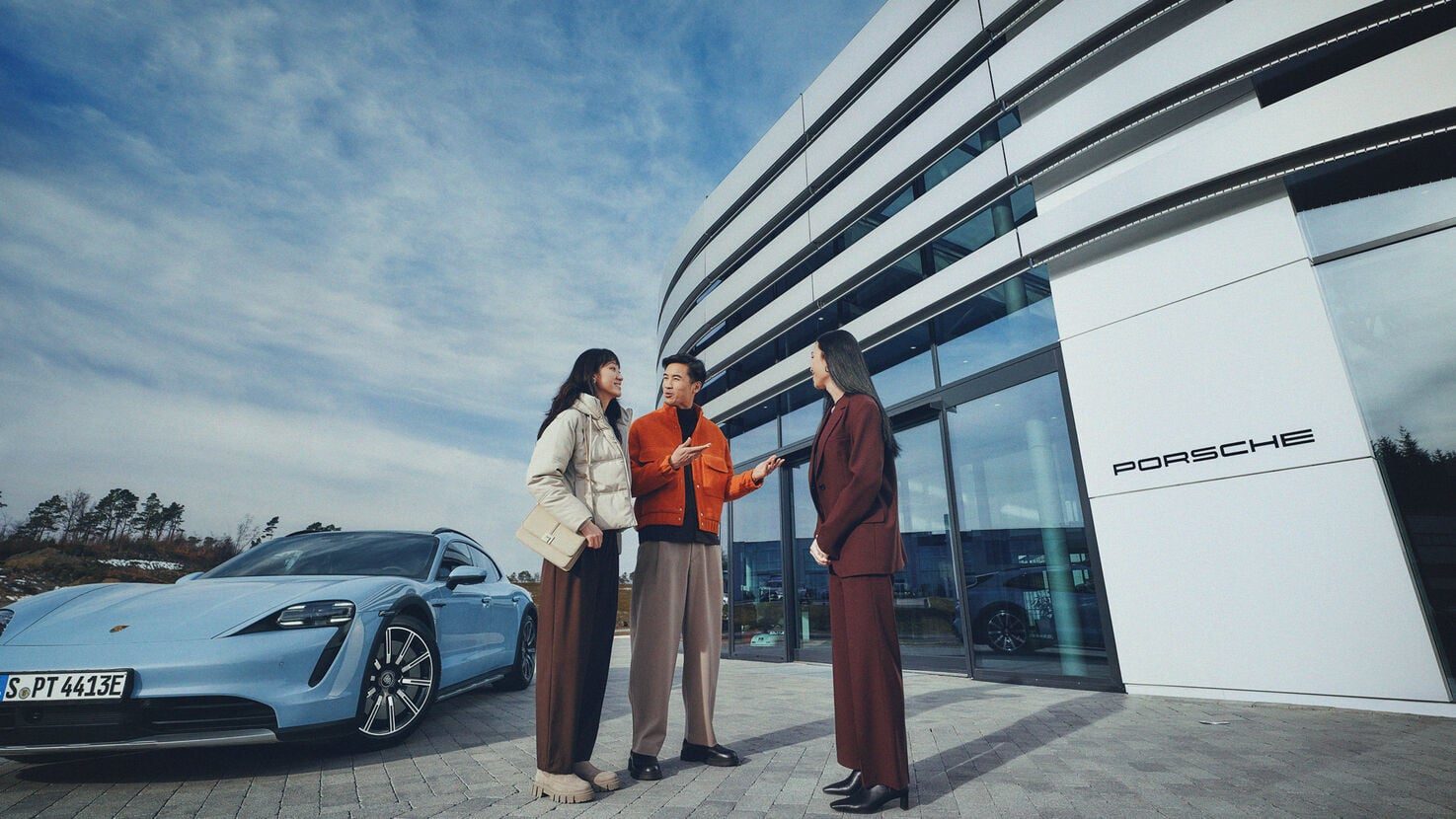
Porsche delivered 372 Taycans in China in the first quarter of the year, fewer than four a day, according to Gasgoo, which gives a sense of the scale at which the remaining imported electric models now operate.
Sales of imported EVs are therefore running partly out of stock landed in earlier years, which means the arrivals data leads the retail data rather than describing it.
The Mirror Image
China exported 541,000 new-energy passenger vehicles in July alone, according to the China Association of Automobile Manufacturers, against 277 battery-electric and plug-in hybrid passenger cars imported in the same month.
That is a ratio of close to 2,000 to one.
Total vehicle exports reached 1.043 million units in July, up 81.3%, and 6.14 million for the seven months, up 66.8%, with new-energy vehicles accounting for 53% of the July total.
Electrified models also passed 60% of China’s domestic new-vehicle sales in July for the first time, at 60.4%.
The country that buys almost no imported electric cars is the same country now producing the majority of the world’s.
Why the Channel Closed
Nothing about the collapse points to a barrier aimed at electric cars specifically, since imports as a whole fell 11% this year rather than to zero and no measure singles the category out.
What changed is that every category the imported electric car once served has been taken by a locally built product.
Mercedes-Benz sold 98,600 passenger cars in China in the second quarter, down 30%, and was passed by Xiaomi, which delivered 104,199 EVs in the same period despite entering the market in April 2024.
Porsche’s China deliveries fell 32% in the first half to 14,501 vehicles, fewer than it sold in Germany, and the company has cut its Chinese dealer network from around 150 outlets in 2024 to a planned 80 this year.
The competing products are no longer cheaper alternatives to imports but direct replacements at the same prices, with more than twenty six- and seven-seat electric SUVs launched at the Beijing show this year alone.
Volvo opened pre-sales of a China-built EX90 at 539,900 yuan, and BYD took 100,000 pre-orders for a flagship SUV, both in segments that imported electric models occupied three years ago.
BMW is building a long-wheelbase iX3 specifically for China, and Audi is preparing the E7X, neither of which will cross a border to reach a Chinese buyer.
Porsche has gone further, leaving the Volkswagen Group emissions pool to pool with XPeng in Europe for 2026 and 2027.
What Is Left
Imports have reverted to combustion.
Gasoline models accounted for 78% of passenger imports over the seven months and hybrids for 20%, with hybrid volumes up 34% to 48,885 units — the only powertrain growing.
Cui’s own explanation of the residual business is that models above 3.0 litres are declining most slowly because Chinese manufacturers barely build in that displacement band, leaving imports with the segment nobody local competes for.
Sub-2.0-litre gasoline models made up 63% of all imports, up three points on last year.