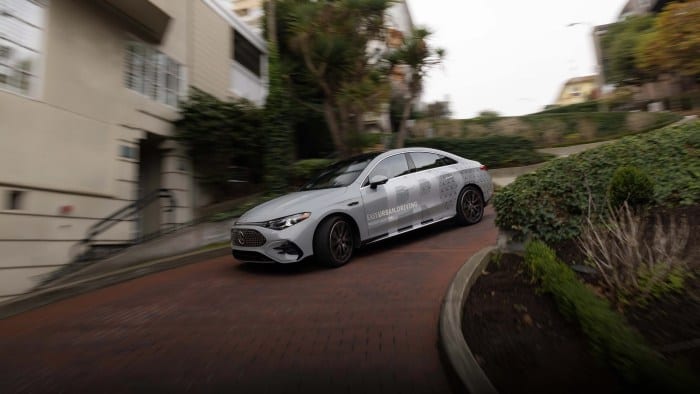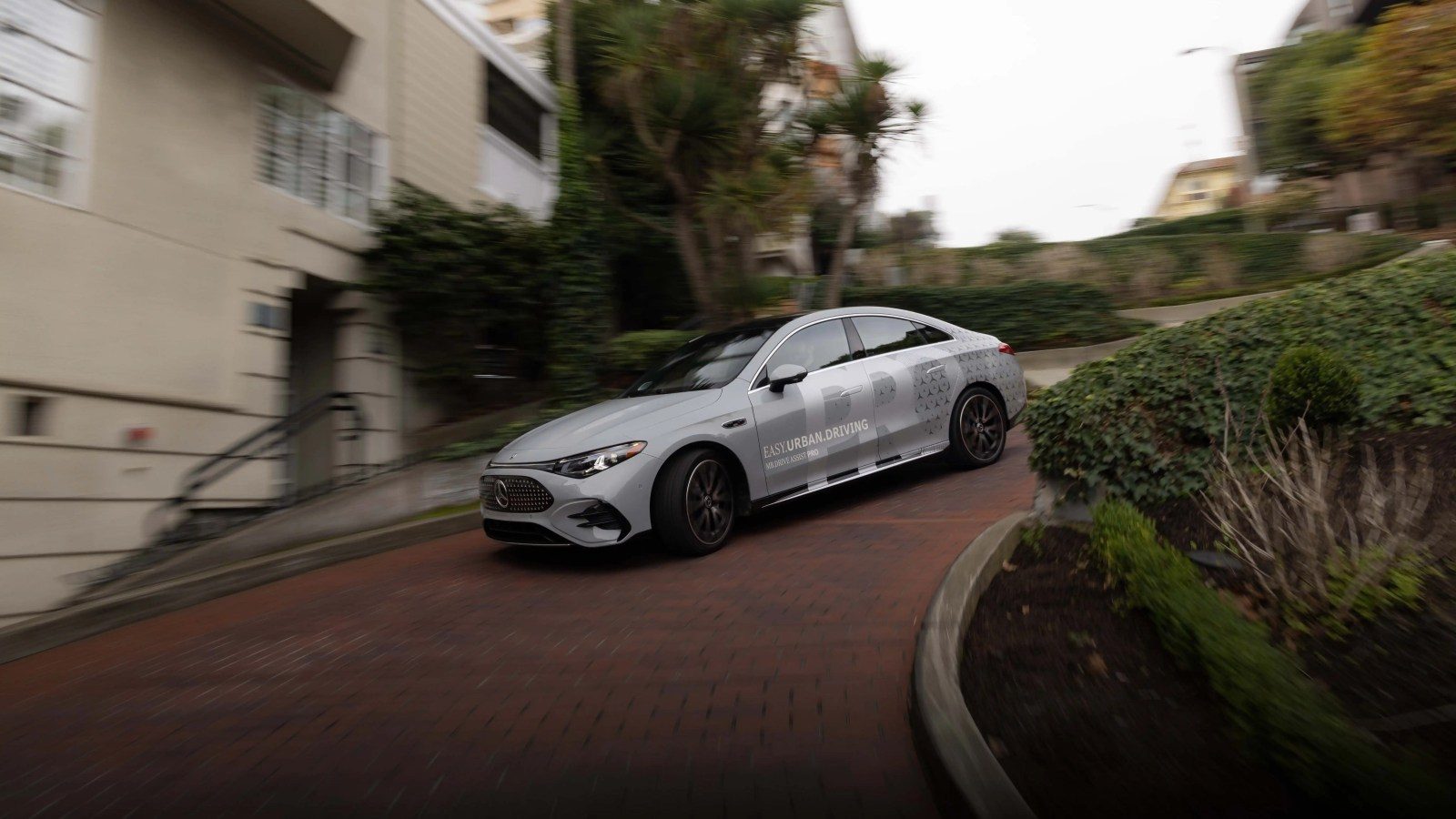

Mercedes-Benz will not be shut out of the US market by a Senate bill aimed at Chinese carmakers, the Republican senators steering the legislation have said, although Chinese investors hold almost 20% of the German company.
That is above the 15% ownership cap in the bill, which would bar the sale of vehicles from any manufacturer over the limit.
How to spare Mercedes-Benz without weakening the measure is unresolved, and the dispute stalled the bill last week until after the November midterm elections.
Volvo and Polestar
The existing Commerce Department rule has already produced opposite outcomes for two brands in the Geely group.
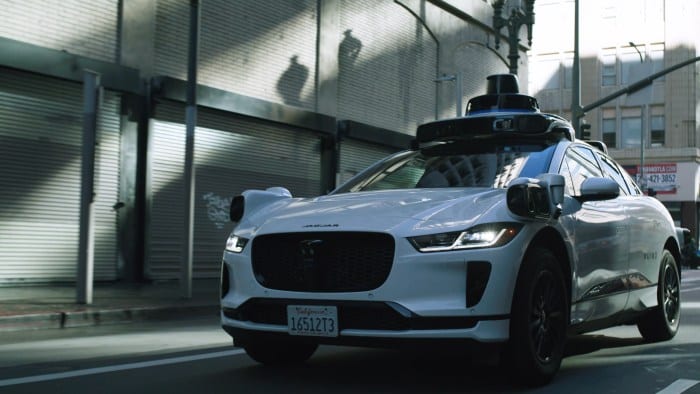
Volvo Cars, majority owned by Geely since 2010, received a specific authorization on May 26 to keep importing and selling connected cars in the US.
The carmaker said the approval followed “constructive discussions” with US officials on its governance, technology and data security.
A month later, on June 25, the department’s Bureau of Industry and Security declined to authorize Polestar, which is barred from US sales from the 2027 model year.
Polestar is also controlled by Geely and its founder, and its Polestar 3 is built at Volvo’s plant in South Carolina.
The department has not published its reasons for treating the two differently.
Volvo’s clearance was granted under the current rule, which has no fixed ownership cap.
Under the Senate bill as introduced, majority Chinese ownership would put Volvo over the 15% line, which is why Moreno said its position was still under discussion.
What the Senators Have Said
Senator Bernie Moreno, the Ohio Republican who wrote the bill with Democratic Senator Elissa Slotkin of Michigan, gave the latest assurance on September 29.
“What we’re not going to do, obviously, is ban Mercedes-Benz vehicles in America,” Moreno said.
He put it more strongly in remarks reported on September 30.
“We’re not going to have the president of the United States sign a bill — nor would he — that bans Mercedes-Benz from the United States of America,” he said.
Senator Ted Cruz, the Texas Republican who chairs the Commerce Committee, made the same point when the panel approved the bill on July 22.
“We would never consider” banning Mercedes-Benz, Cruz said at that session, adding that the bill would have to be changed before it became law.
Cruz also accused General Motors of backing the ownership clause to help its Cadillac brand.
“GM is pushing for this provision to get Mercedes-Benz out of the market,” he said.
GM said at the time that it “supports policies that protect and strengthen American manufacturing and the global competitiveness of U.S. automakers.”
The carmaker also said the legislation was not about any individual automaker.
Cruz called the clause “a very direct shot to inflict pain” on Mercedes-Benz by the United Auto Workers, after workers at its Alabama plant voted against joining the union in 2024.
“I want this bill to pass,” Cruz said, while warning that “this bill will not become law” if the 15% threshold stays in.
“The current language in the bill is overly broad,” he said.
Moreno answered at the same session. “What we’ll certainly never do, nor would anybody intend to do, is ban the sale of Mercedes-Benz automobiles in America,” he said.
Why Mercedes-Benz Is Caught
The Connected Vehicle Security Act, introduced on April 29, would turn a 2025 Commerce Department rule on Chinese vehicle technology into law and extend it.
As introduced, it prohibits the import, manufacture and sale of a connected vehicle from January 1, 2027, if “more than 15 percent of the equity interest, voting interest, board representation, or other indicia of control” of its maker is held by “an entity, or combination of entities” from China, Russia, Iran or North Korea.
The words “combination of entities” matter for Mercedes-Benz, because neither of its Chinese shareholders is above 15% alone.
State-owned BAIC Group holds 9.98% of the company, and Geely founder Li Shufu holds 9.69% through an investment vehicle, according to Mercedes-Benz’s shareholder data as of June 30.
Together they hold 19.67%, which is 4.67 percentage points over the cap.
The Kuwait Investment Authority is the third-largest known shareholder with 5.33%.
Mercedes-Benz has said that no shareholder holds more than 10% and that its major shareholders are not directly represented on its supervisory board.
Mercedes-Benz first came under the spotlight in July, when the 15% threshold put it in line for a potential US sales ban.
The Fixes Under Discussion
No amended text has been published, and the senators have not said which route they will take.
Moreno said at the July session that Mercedes-Benz would have until 2030 to comply with the limit and could apply for a waiver in the meantime.
The bill as introduced lets the Commerce Secretary authorize otherwise prohibited vehicles where the evidence shows no undue security risk, subject to review by Congress.
Moreno acknowledged on September 29 that compliance through share sales may not be simple.
“There’s concern that, can they get to 15% without debilitating their company?” he said.
Cruz proposed a different route in July, replacing the fixed cap with case-by-case national security assessments modelled on those of the Committee on Foreign Investment in the United States.
Senator Rand Paul, the Kentucky Republican blocking fast-track passage, wants the clause removed.
“If they take it out of the bill, I told them that the bill can go forward,” Paul told Reuters, adding that “a bill shouldn’t directly attack one company.”
Mercedes-Benz has said it supports legislation “designed to protect U.S. national security.”
“If we need to make adjustments to comply with anything, we will make sure that we protect our presence and our business in the U.S.,” Chief Executive Officer Ola Källenius said in late July.
Other Brands in the Net
Mercedes-Benz is not the only Western marque above the line.
Moreno said talks were also under way on how Volvo Cars, which is majority owned by Geely, could keep selling in the US.
He named Aston Martin, in which Geely holds 17%, and Lotus, also majority owned by Geely, as brands that could be barred.
The existing rule has already split the Geely group, with Volvo Cars receiving a specific authorization from the Commerce Department in May and Polestar being refused one on June 25.
Where the Bill Stands
The Commerce Committee approved the bill by voice vote in July.
Its sponsors then sought to pass it in the full Senate without a roll call, a route that any single senator can block.
Slotkin said support was almost unanimous. “My understanding is it’s 99 to 1,” she said.
The sponsors first delayed the attempt on September 24 to keep negotiating with Paul. Those talks failed on September 30, and the Senate left Washington until November.
A companion bill in the House has more than 100 co-sponsors, and US carmakers have urged Congress to pass the ban this year.
President Donald Trump has said he would accept Chinese carmakers building vehicles in the US, a position at odds with the bill’s backers.