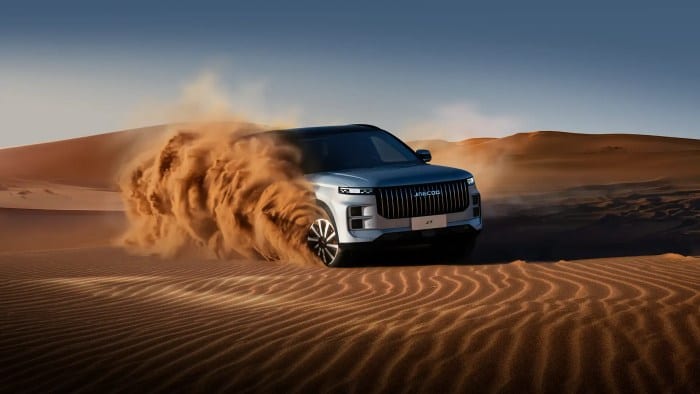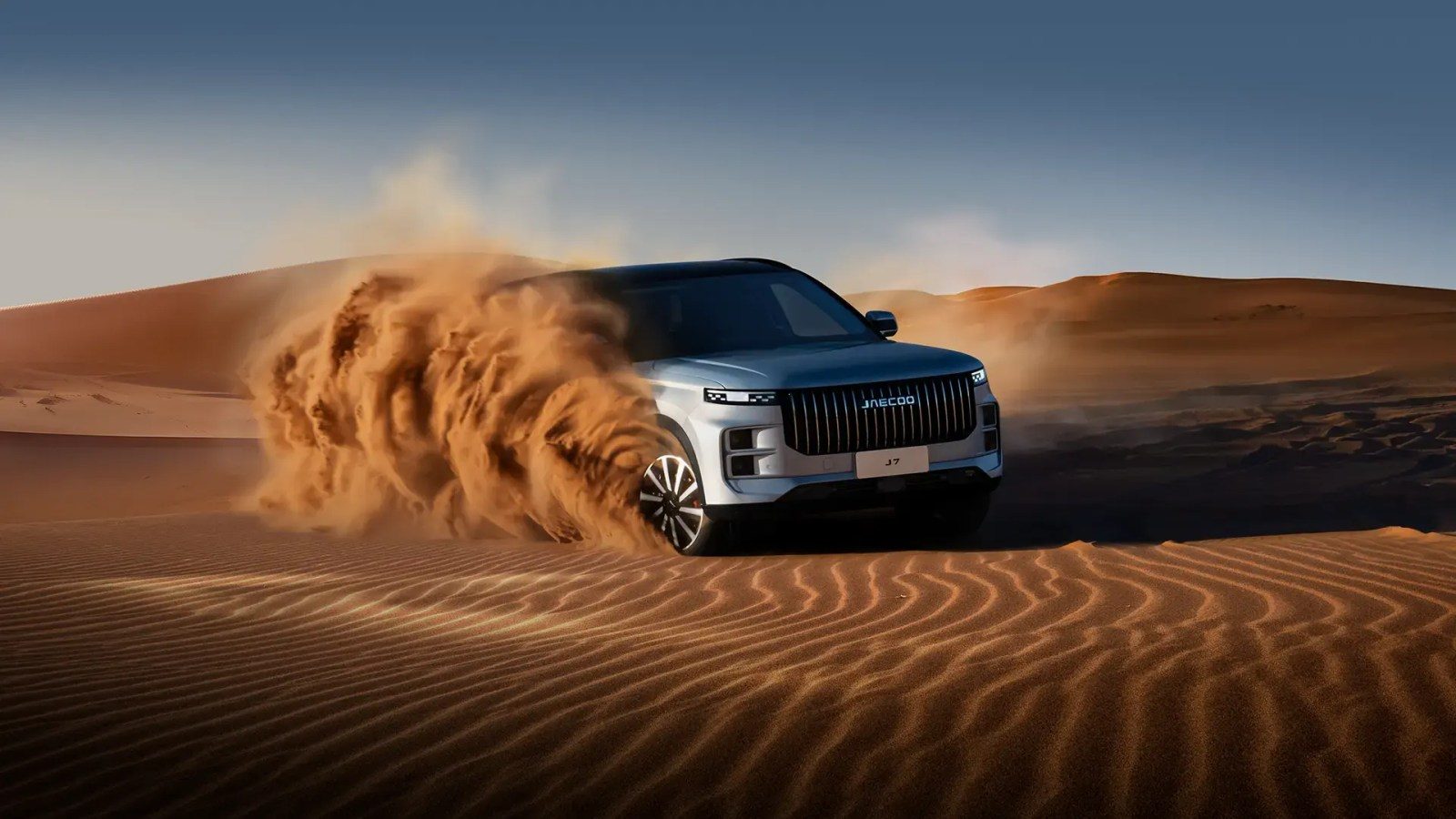

Chery‘s Omoda & Jaecoo has become the first Chinese carmaker to officially set a launch timeframe for Canada, saying on its new Canadian website that its vehicles will arrive in “late 2026.”
“The wait is almost over. A new era of mobility is launching in Canada. OMODA & JAECOO, coming late 2026,” the bilingual site says.
The site went live last week and invites visitors to sign up for updates “as we approach our Canadian launch.” It names no models, prices or dealers.
The retailer page says the brand is “building a network across Canada” and will announce locations before launch.
Rivals Without a Date
BYD‘s Canadian website, which went live in August, still says only “coming soon.”
China’s Ambassador to Canada, Wang Di, said in June that BYD Executive VP Stella Li had indicated the company would likely begin sales next year, Reuters reported.
Dongfeng’s Canadian website, launched in July, says its vehicles are going through homologation and regulatory approval, without giving a launch date.
Lotus, the British brand controlled by China’s Geely, began bringing China-built Eletre SUVs into Canada under the quota in the summer.
Charlie Zhang, Executive VP of Chery International, said in May that the company planned to be ready to sell in Canada in the fourth quarter, starting with two battery-electric models in British Columbia, Ontario and Quebec, according to Reuters.
The website is the first time the brand has put a launch timeframe in its own official Canadian channel.
The Canadian Operation
The Canadian unit trades as Omoda & Jaecoo Canada Inc.
Farzad Salehi, a Chery veteran of 21 years who previously ran the company’s Middle East business, became its Executive VP and Country Director in Toronto in March, according to his LinkedIn profile.
Michael Glaizel joined in April as Dealer Network Development Manager after four years building VinFast‘s Canadian retail network, his profile shows.
Chery began recruiting in Canada in January, weeks after Ottawa agreed with Beijing to let a quota of Chinese-built vehicles in at a lower tariff.
Four Omoda and Jaecoo vehicles, including the electric J5, were photographed in Toronto in April.
The company flew nearly two dozen Canadian dealer representatives to the Beijing auto show that month.
Over the last few months, Chery has been road-testing vehicles in Canada to gauge how cold weather affects warranty costs.
Regulatory Hurdles
Chery does not yet appear in Transport Canada’s Appendix G pre-clearance list of recognised foreign manufacturers, according to the list’s daily open-data file checked on Monday.
BYD’s Shenzhen and Xi’an plants are on the list.
Transport Canada had paused new Appendix G applications for passenger vehicles, leaving unlisted manufacturers with a slower case-by-case approval process.
The January deal between Prime Minister Mark Carney and Chinese President Xi Jinping lets 49,000 China-built vehicles a year into Canada at a 6.1% tariff, rising to about 70,000 by 2030.
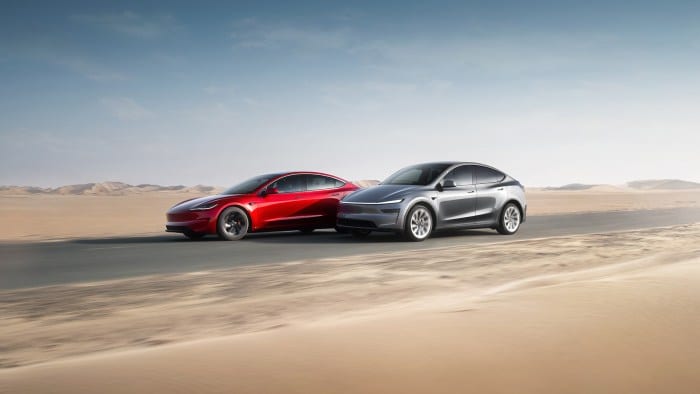
Importers used 15,603 of 24,500 permits in the first six-month window, mostly for Tesla‘s Shanghai-built cars.
The second window, running to February 28, offers 33,397 permits on a first-come, first-served basis.
The quota covers battery-electric, plug-in hybrid and hybrid vehicles.
Chinese-built vehicles do not qualify for Canada’s Electric Vehicle Affordability Program, which pays up to C$5,000 ($3,500) only for vehicles built in Canada or a free-trade partner.
Chery’s Export Machine
Chery Group sold 1,914,481 vehicles in the first eight months of 2026, up 10.8%, with exports up 68.1% to 1,343,334 units, Gasgoo reported, citing company data.
It sold a record 2,806,393 vehicles in 2025, including 1,344,020 exports, and has been China’s largest passenger-vehicle exporter for 23 straight years, the company says.
Omoda and Jaecoo, which Chery sells only outside China, passed 1 million cumulative sales in April across 69 markets, less than three years after launch.
Chery has sold in Mexico since 2022 under the Chirey name, with Omoda and Jaecoo sharing its dealers.
The arrival faces political opposition.
Brian Kingston, President and Chief Executive Officer of the Canadian Vehicle Manufacturers’ Association, told the House of Commons in April that the quota is “equivalent to 30% of the total number of EVs sold in Canada last year.”
Canada’s Conservatives have pledged to scrap the quota and ban Chinese-connected vehicle software.