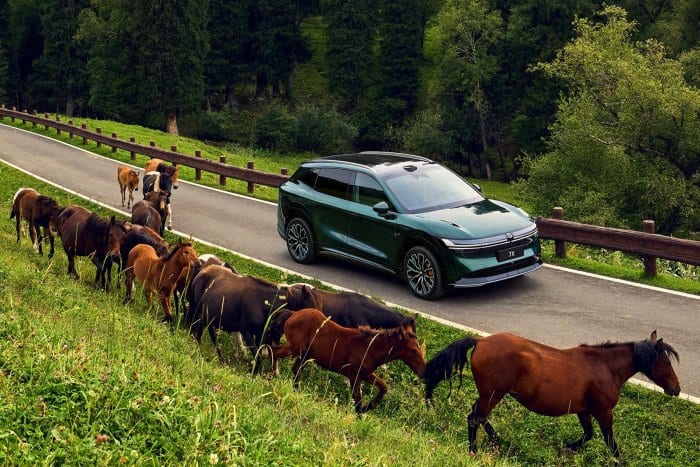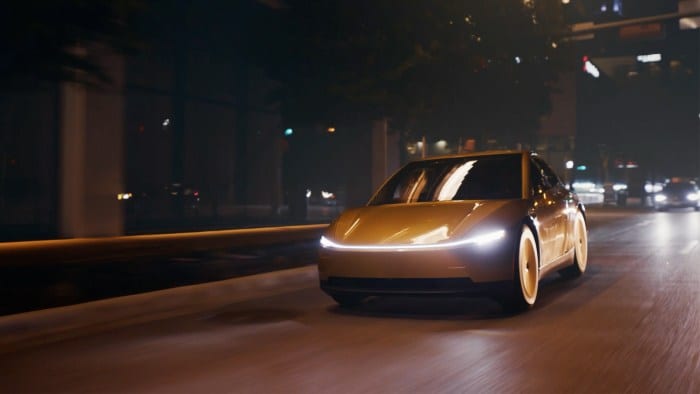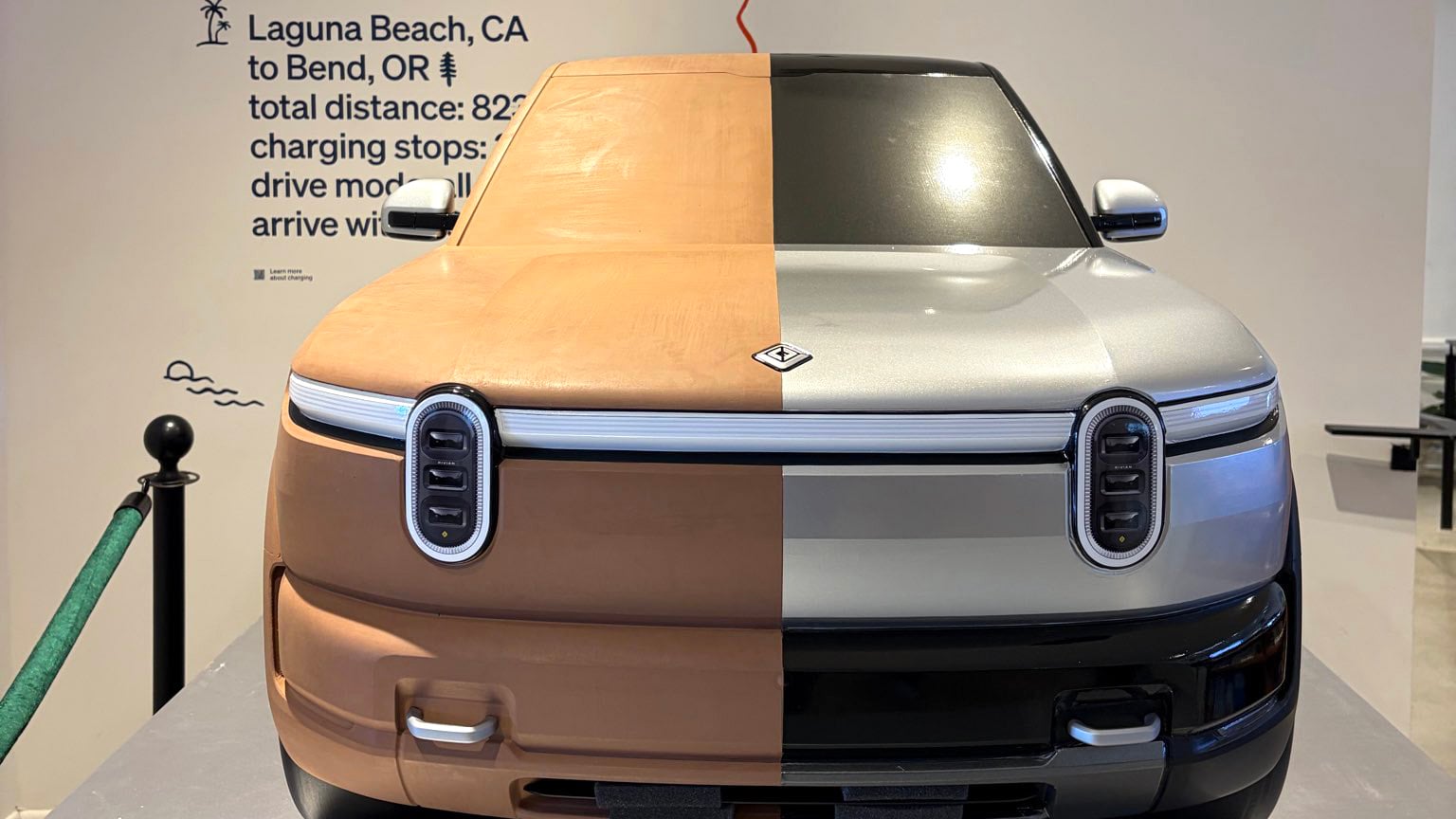

Cantor Fitzgerald expects Rivian to deliver slightly fewer vehicles in the second quarter than in the first, even though it has already begun delivering the R2 SUV — its cheapest model yet and the one meant to reignite growth.
Analyst Andres Sheppard modeled 10,234 deliveries in a Monday note first obtained by Price Target, holding a Neutral rating and $18 price target on the stock.
The estimate trails the 10,661 vehicles Rivian delivered in the second quarter of 2025 by about 4%, and sits below the 10,365 of the first quarter.
Even so, the figure lands close to the Visible Alpha consensus of 10,518, a sign Wall Street broadly shares Cantor’s muted read on the quarter.
On production, Cantor models 11,900 units for the quarter, above the Visible Alpha consensus of 11,132.
The figures include not only the three passenger EVs (R1S, R1T, and R2) but also the commercial delivery vans.
Rivian is scheduled to report second-quarter deliveries in early July and full financial results in August.
A Quarter Below the Year-Ago Mark
Sheppard’s call points to a quarter that edges lower rather than one that accelerates.
The slight decline comes despite the R2’s arrival, an early sign of how little the new model adds before its ramp steepens in the second half.
The reading tracks the company’s own plan, which front-loads little of this year’s growth into the spring and concentrates the R2 ramp in the second half.
Owner-tracked vehicle identification data points to more than 1,100 R2 units reaching customers before June 30, too few to lift the quarter past its year-ago total even as they mark the model’s first contribution.
Cantor’s number also clears the bar the firm set three months ago, when its 9,856 first-quarter estimate was beaten by the 10,365 vehicles delivered.
Production undershot Cantor’s forecast in that quarter, a gap the firm has tied to the retooling of the Normal, Illinois plant around the new SUV.
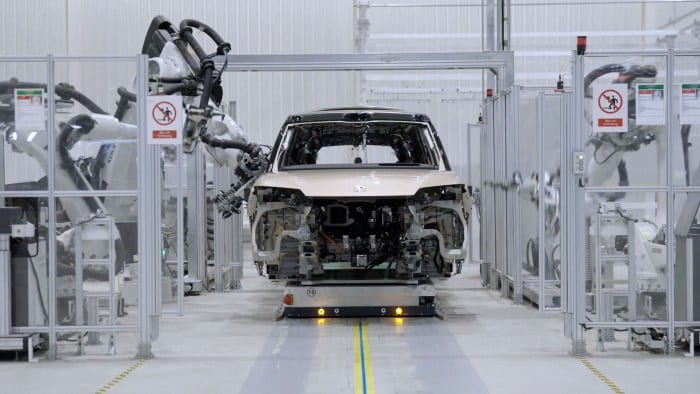
Saleable R2 production began in late April, and a tornado that struck the same factory days earlier left the full-year guidance untouched.
R2 Launch Anchors the Thesis
The R2 reached its first public buyers on June 9.
Rivian opened orders with a Performance Launch Edition priced at $57,990, ahead of a lower-cost version at $44,990 the company has slated for 2027.
Cantor expects R2 deliveries to “boost customer demand,” driven by the more competitive price point and the autonomy features shown alongside the model.
Sheppard cast the maker’s “AI and customer-focused autonomous approach” as a way to “materially improve the unit economics” and to “capture meaningful autonomy and EV market share in North America” over several years.
The launch trim sits nearly $13,000 above the $45,000 figure the company promoted when it first unveiled the R2 in 2024, a spread that has drawn scrutiny while buyers wait for the cheaper variants.
The comparison with Tesla is direct, with the Performance R2 landing about $500 above the Tesla Model Y Performance, even as the promised $44,990 trim is the one Cantor sees widening the addressable market.
Performance buyers also receive the company’s Autonomy+ driver-assistance suite, valued at $2,500, the package whose “eyes off” capability sits at the center of the autonomy case.
The R2 carries up to 330 miles of EPA-estimated range, 656 horsepower and a 0-to-60 time of 3.6 seconds, specifications the company has used to frame the SUV as a mainstream rival rather than a niche adventure vehicle.
The model is also the first in the lineup confirmed to carry LiDAR, a sensor the company showed on R2 builds at its Autonomy & AI Day in December.
Chief Financial Officer Claire McDonough told a Bank of America summit earlier this year that the maker expects to build 200,000 R2s a year once the line reaches full capacity, a figure that frames how much of Cantor’s case rests on the model.
Full-Year Target Implies a Second-Half Surge
Management is targeting 62,000 to 67,000 deliveries for 2026, a range that includes the Amazon-co-developed commercial van.
Deliveries reached 42,247 in 2025 and production 42,284, leaving the 2026 guide to imply growth of roughly 50% at the midpoint.
Hitting it depends almost entirely on the R2, which the company has guided to 20,000 to 25,000 units this year, the bulk arriving after June.
With 10,365 vehicles delivered in the opening quarter, the maker needs between 51,635 and 56,635 over the remaining nine months, an average of roughly 17,200 to 18,900 a quarter.
Cantor itself models 65,000 deliveries for the year, about 21,000 of them R2s, climbing to some 58,000 R2 units in 2027.
He lifted the firm’s 2026 blended average selling price estimate to about $64,400 on the R2’s pricing and looks for revenue growth of roughly a third.
Consumer volume matters all the more after a first quarter in which Amazon accounted for roughly half of automotive revenue, concentrating demand in the commercial fleet.
Rivian has said the R2’s bill of materials runs about half that of its R1 platform, the lever Cantor links to better unit economics as volume builds.
Catalysts Stack Into the Second Half
Cantor flagged a run of near-term events it expects to move the story.
Deployment of the in-house RAP1 autonomy chip and the Autonomy+ “eyes off” launch are slated for the second half, alongside the start of construction at the company’s Georgia facility this year.
The Uber commitment is the first tranche of a wider tie-up that pairs capital with a plan to place autonomous R2s on the ride-hailing network over time.
The Georgia plant, financed by a US Department of Energy loan of up to $4.5 billion, is designed for 300,000 units a year and would lift combined capacity across the two sites to 515,000.
Rivian‘s autonomy roadmap, which Chief Executive RJ Scaringe has placed at the center of the company’s long-term economics, underpins much of Cantor’s multi-year case even as the firm stays on the sidelines for now.
What Comes Next
Rivian reports second-quarter deliveries later this week.
Earnings follow in August, when management is expected to address the second-half ramp, R2 production costs and the autonomy timeline.
Scaringe told investors after the first quarter that the R2 would be “a game changer for our customers,” a claim the delivery curve will begin to test this summer.