
President Donald Trump said he has approved new US fuel economy standards that roll back Biden-era targets meant to push carmakers toward electric vehicles, with the Transportation Department set to publish the final rule on Monday, September 28.
“I have just approved new Fuel Economy Standards that TERMINATE Sleepy Joe Biden and Pete Boot-EDGE-EDGE’s ridiculous EV Mandate,” Trump wrote on Truth Social on Saturday.
Transportation Secretary Sean Duffy shared the post on X on Saturday evening, writing: “A major victory for America’s auto workers is COMING MONDAY.”
The department will finalise “sharply lower” standards through 2031 on Monday, officials said on Saturday, Reuters reported.
Neither Trump nor Duffy gave the final figures, and the rule had not been published.
Trump’s approval does not itself change the standards. They take effect through the final rule issued by the National Highway Traffic Safety Administration (NHTSA), part of the department.
What Trump Said
Trump presented the change as a way to cut car prices.
“The Dumocrats cost our Great Auto Manufacturers $Billions, forced Americans into cars they never wanted, and wasted Billions on Chargers that were never built,” he wrote.
“These new Standards will take the waste out of building cars in America. That means LOWER PRICES, saving families thousands on a new, beautiful, and safe car,” he wrote.
“Every Manufacturer, from General Motors to Ford to Stellantis, has called me wanting to build here, and now they can!” he added.
He said more than $100 billion is being invested in US auto production under his administration, without giving a source for the figure.
He has made similar claims before, calling Toyota’s decision to move Tacoma production from Mexico to Texas proof of “Tariffs at work!” in July, as EV reported.
Trump thanked Duffy and Commerce Secretary Howard Lutnick.
From 50.4 MPG to 34.5 MPG
The final rule is expected to follow a proposal the department published in December.
That proposal set a fleetwide average of 34.5 miles per gallon by 2031, according to the Transportation Department, which called it the “Freedom Means Affordable Cars” initiative.
That compares with 50.4 mpg under the standards set by the Biden administration, according to Reuters.
The proposal would reset the standards for model years 2022 to 2031, “developed without consideration of electric vehicles and credit trading,” the department said.
From that reset, passenger-car standards would rise 0.5% a year from 2023 through 2026, 0.35% in 2027 and 0.25% a year from 2029 to 2031, it said. Light-truck standards would rise 0.5% a year through 2026, 0.7% in 2027 and 0.25% a year from 2029 to 2031.
Trump announced the proposal in the Oval Office on December 3, flanked by Ford Chief Executive Officer Jim Farley and Stellantis Chief Executive Officer Antonio Filosa, CNBC reported at the time.
“We’ve been clear and consistent: The current CAFE rules finalized under the previous administration are extremely challenging for automakers to achieve given the current marketplace for EVs,” John Bozzella, Chief Executive Officer of the Alliance for Automotive Innovation, said then, according to CNBC.
The department said in December that its proposal would save $109 billion over five years and save families $1,000 on the average cost of a new vehicle.
Reuters, citing the department’s estimates, put the saving at $930 per vehicle.
Its own estimates also showed fuel consumption rising by about 100 billion gallons through 2050, fuel spending by $185 billion and carbon dioxide emissions by about 5%, according to Reuters.
It is not yet known whether the final rule keeps those figures.
The Administration Naming
The department argues that the previous administration used fuel economy rules to force EV sales.
“The previous administration illegally used CAFE standards as an electric vehicle mandate,” Duffy said in June 2025, when the department published an interpretive rule saying the law bars regulators from considering EVs when setting the standards.
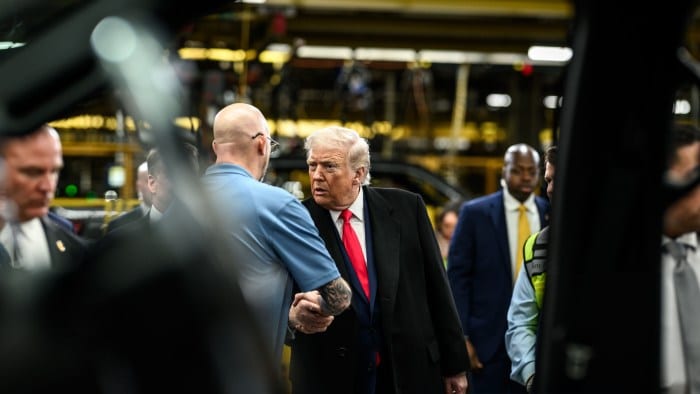
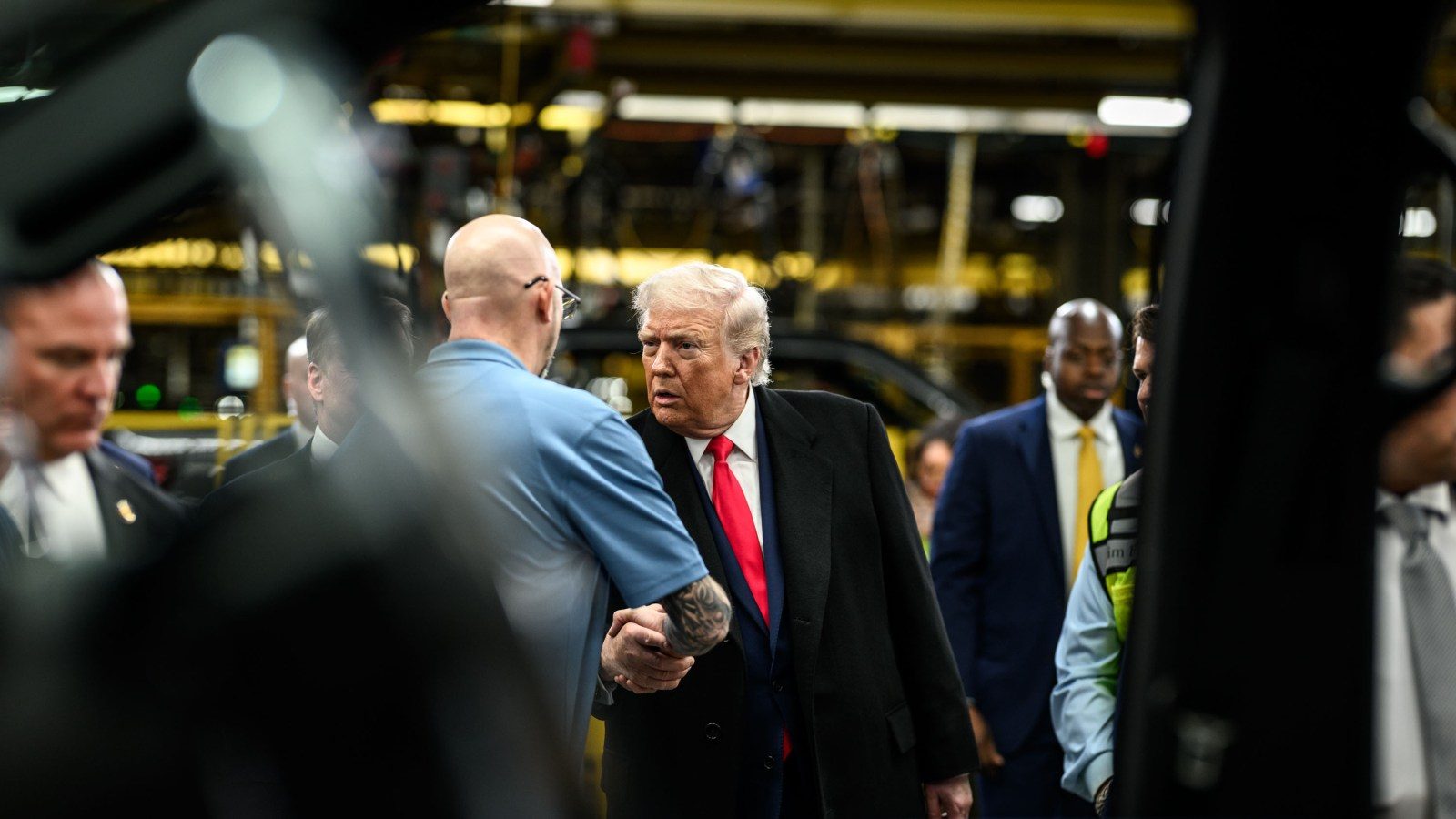
Trump also took credit for rolling back the standards during a visit to GM’s Milford Proving Ground in July.
In February, the administration also removed a Department of Energy provision that let EVs count at inflated fuel economy values in a carmaker’s fleet average.
Carmakers already face no financial penalty for missing the targets.
The “One Big Beautiful Bill Act”, enacted on July 4, 2025, reset the maximum civil penalty for non-compliance with the fuel economy standards to zero.