
US light-vehicle sales are settling into a new annual run rate of 16 million units, with hybrid electric vehicles emerging as the main profit driver for Asian automakers, Macquarie analysts said Wednesday.
In a new note sent to clients, the analyst team noted that seasonally adjusted annualized sales reached 16.2 million units in May, up 3% year-over-year and 1% from April, just below the firm’s 2026 forecast of 16.4 million units.
US light-vehicle sales totaled 1.48 million units in May, flat against the same month last year and up 7% from April.
Demand held steady despite weak consumer sentiment and high fuel prices, the analysts added.
Macquarie named Kia and Toyota as top picks, followed by Hyundai, citing margin gains from expanding hybrid lineups through 2026.
Hybrids Hit Record Share
Hybrid penetration climbed to an all-time high of 17.3% in May, driven by new model launches.
Hyundai–Kia HEV sales jumped 126% year-over-year, while Honda and Toyota posted 22% and 10% growth, respectively.
Hyundai reported hybrid sales up 90% for a best-ever month, with the Sonata HEV rising 250%
Other models such as the Santa Fe, the Elantra, and the Tucson advanced by between 10 and 30%, each setting a May record.
Total Hyundai sales rose 3% to 87,468 units, with retail volume up 2% and year-to-date sales of 373,013, up 1%, according to figures published by the brand earlier this week.
Kia hybrid sales surged 179% — led by record May results for the Sportage, Sorento and Carnival HEVs.
The South Korean brand sold 80,502 units in May, lifting retail volume 11% to a record and pushing year-to-date sales to a company-best 360,220 units, up 2%.
Japanese automaker Honda also set a monthly hybrid record of 42,583 units, with the hybrid CR-V SUV posting a record volume of 24,401 units — and the total CR-V sales reaching a record 45,141 units across all powertrains.
American Honda sales rose 9.9% to 148,903 units.
Toyota said electrified vehicles, most of them hybrids, rose 15% to just over 137,000 units — or 57% of sales, up from 50% in May 2025.
Total sales slipped 0.6%, however, a third straight monthly decline. Macquarie attributed Toyota‘s slower pace to production shifts toward new models.
BEV Share Slides to 6%
Battery-electric vehicle penetration held at 6% in May, down from a peak of 11.6% in September 2025.
Overall BEV sales fell 18% year-over-year, according to Macquarie.
Hyundai ran counter to the category, with EV sales up 10% for a May record. Ioniq 5 rose 28% to its best May ever, while Ioniq 9 jumped 279%.
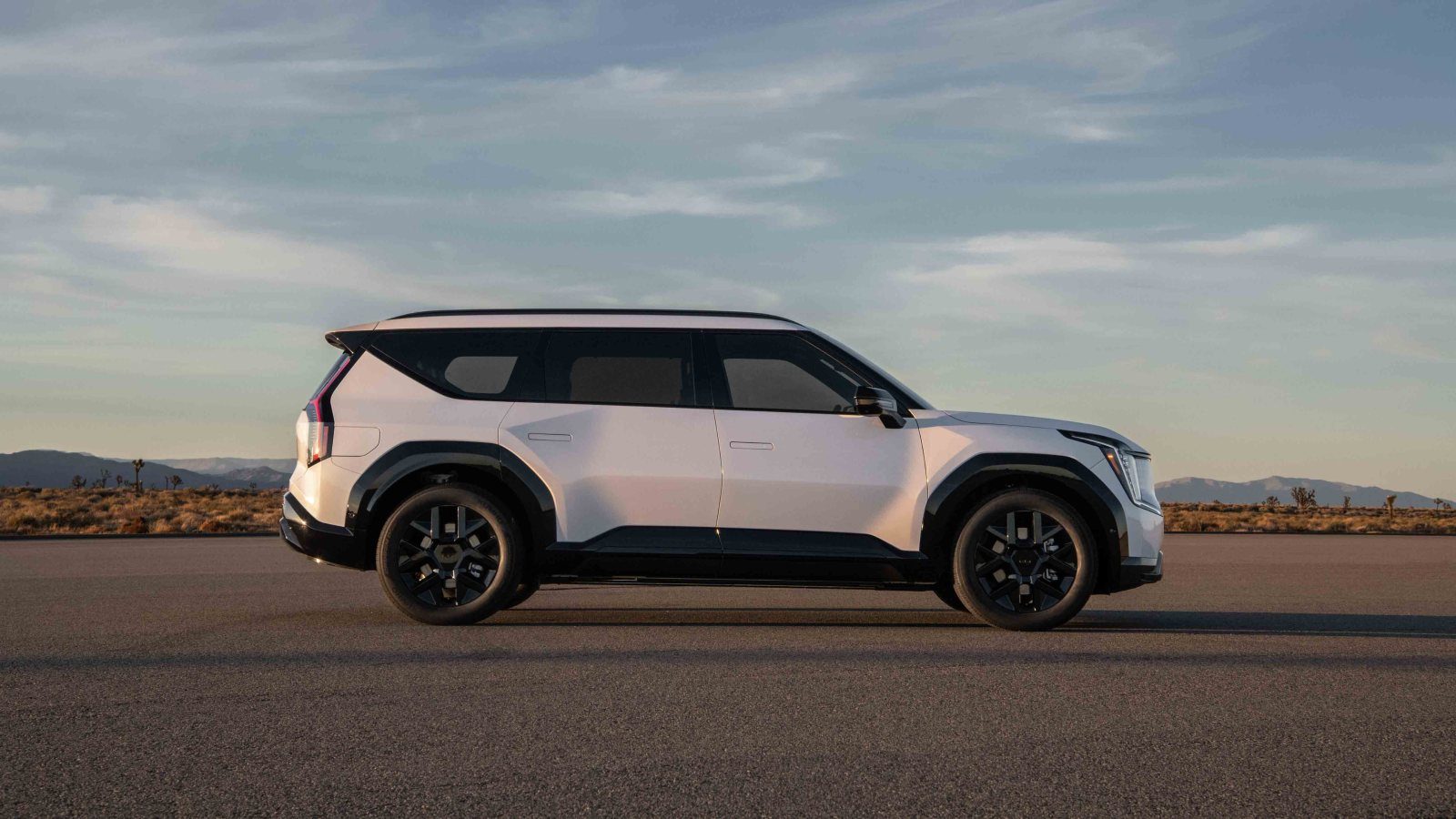
Kia‘s electrified volume also rose 133%, supported by the flagship EV9.
Tesla, which accounts for 47% of US BEV sales, saw deliveries decline 12% from a year earlier, according to estimates published Tuesday by Motor Intelligence.
Macquarie linked the BEV retreat to rising battery prices driven by surging demand for energy storage systems, which have pressured profitability and pushed automakers to raise prices.
JD Power and GlobalData echoed the trend in a joint forecast published May 22, projecting EVs would account for 7.0% of US retail new-vehicle sales in May, down 1.2 percentage points year-over-year.
Both readings point to a contraction from a third-quarter 2025 peak, when EV share reached 10.6% as buyers rushed to lock in the federal $7,500 EV tax credit before its September 30, 2025, elimination.
EV incentive spending ran on track for $10,308 per unit in May, more than three times the $2,973 average for combustion and hybrid models, JD Power data showed.
Average incentive spending rose 6% year-over-year and 3% from April to $3,502 per unit, equal to 8% of the average transaction price, Macquarie said.
Average transaction price stood at $46,023, up 1% year-over-year and flat month-over-month, per JD Power data cited in the report.