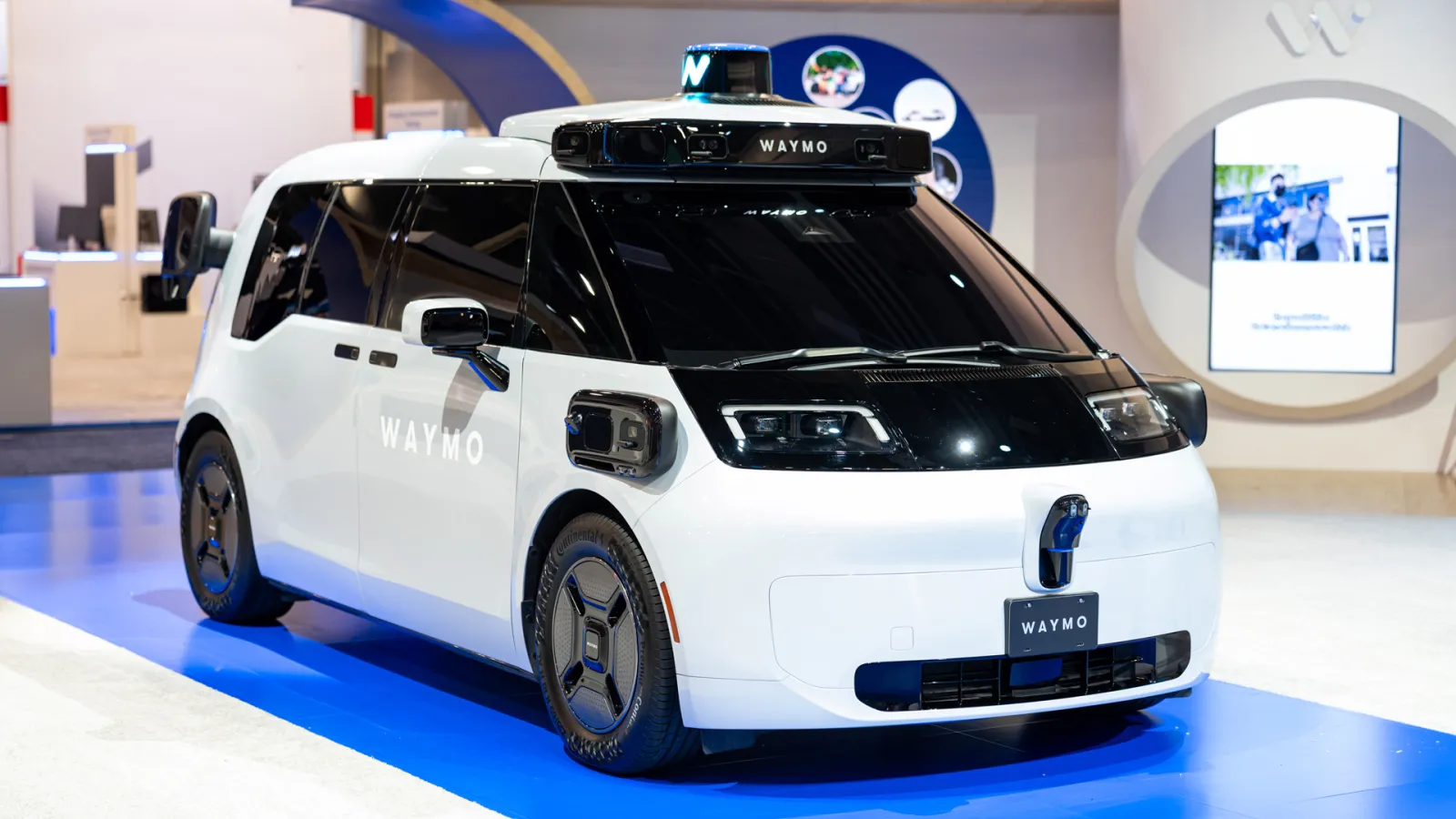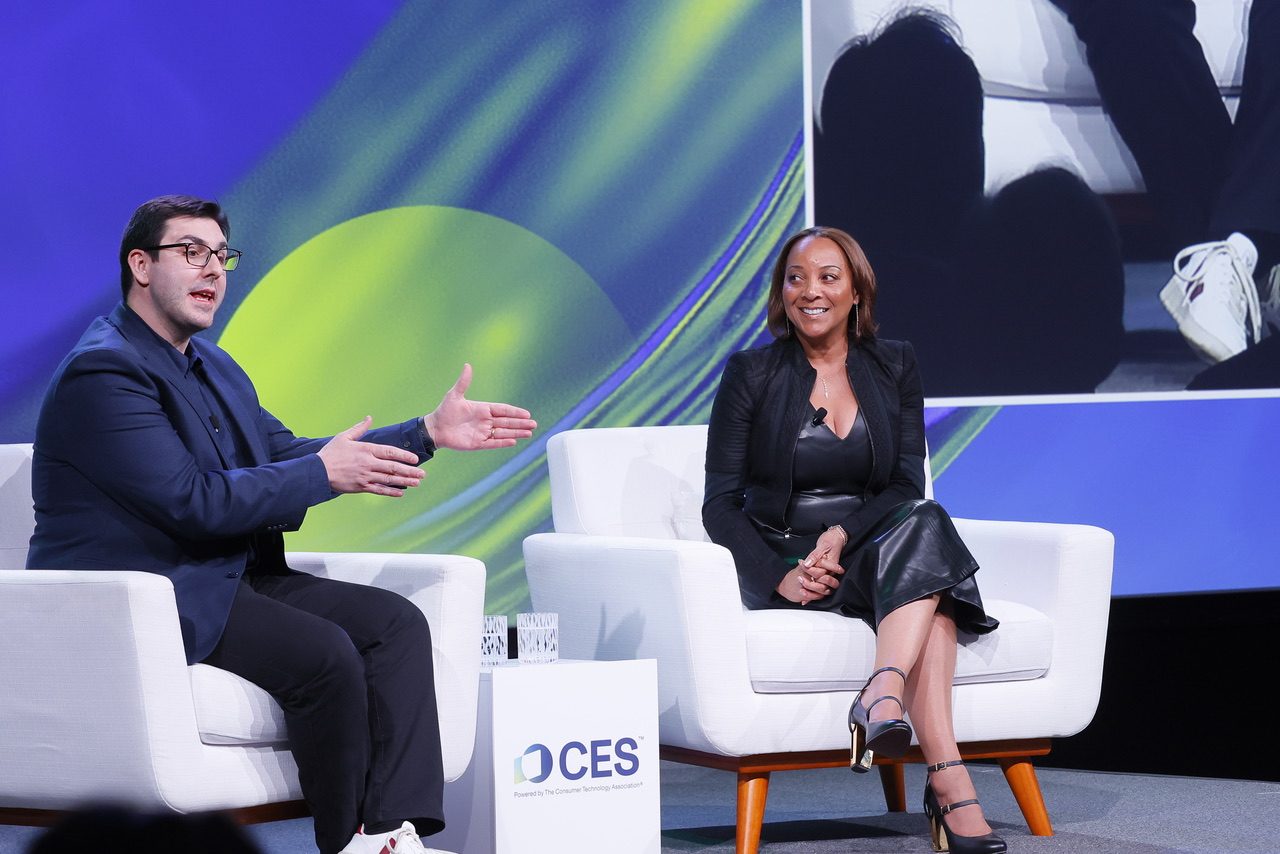

Waymo co-CEO Tekedra Mawakana said riders’ experience of booking the company’s robotaxis through Uber had been “a little bit of a crapshoot,” explaining the Alphabet unit’s plan to launch its own app in Austin and Atlanta, where its cars are currently available only through Uber.
“In the early days, we would partner because we didn’t have the scale,” Mawakana said in an interview on Bloomberg‘s The Circuit with Emily Chang, published on Wednesday. Riders could not tell whether they would get a Waymo or a human driver when they booked.
“It’s important for us to have that relationship with the rider,” she said, adding that “learning and partnering with Uber has been a really important part of our journey.”
A Plan Disclosed in July
The change itself was disclosed in July. Uber told CNBC on July 24 that Waymo had notified it that it intended to launch the Waymo app in Austin and Atlanta in January 2028, alongside its existing deployment on Uber.
Uber said at the time that hundreds of Waymo robotaxis would remain available on its app in the two cities through at least May 2028, when the current contract ends, CNBC reported. Ending exclusivity also frees Uber to add other autonomous providers in both cities.
A Waymo spokesperson told CNBC then that users need “choice in how they experience this technology.” The Financial Times reported the same day that Waymo had explored a split from Uber, and Uber shares fell more than 4%.
‘Not a Race to the Bottom’
Mawakana said Waymo did not intend to compete mainly on fares once it takes riders directly.
“Price is not the first priority,” she said. “We are not trying to have this race to the bottom on what we’re offering to our riders.”
“We really want to elevate the experience over time,” she added.
Waymo has filed software recalls with US safety regulators over its cars’ driving behavior after incidents in the past year, including driving into freeway work zones and through flooded roads, Bloomberg reported. “For us, it’s having this attitude that we are still and always learning,” Mawakana said.
In Austin and Atlanta, riders cannot book a Waymo directly. They switch on an autonomous vehicle preference in the Uber app and request an eligible ride, such as UberX or Uber Comfort, and may be offered a Waymo if one is nearby.
“We aren’t able to guarantee Waymo rides on the Uber app every time,” Waymo’s website says.
Uber’s Response
Uber told Bloomberg it had asked Waymo to add a robotaxi option for riders in Austin and Atlanta, so they could choose that type of trip more easily, and that Waymo had declined. Waymo declined to comment on the discussions, Bloomberg reported.
Uber told TechCrunch on Wednesday that it still plans to host Waymo robotaxis on its app for as long as both companies agree.
The interview came on the day Uber reported third-quarter results. Chief Executive Officer Dara Khosrowshahi told analysts Uber was “in market with Waymo already in the U.S.” but did not address Mawakana’s comments.
Chief Financial Officer Balaji Krishnamurthy argued that Uber’s network keeps robotaxis busier. He said trips per vehicle for Waymo and Tesla in markets they had launched this year were “in the low teens versus high 20s that we are seeing on our network in these hybrid markets.”
Uber expects about 700 fully driverless vehicles on its network by the end of the year and more than 2,000 by the end of 2027. In the same results, it pushed the Bay Area launch of its robotaxi service with Nuro and Lucid to the first quarter of 2027.
How the Partnership Ran
Uber signed a multiyear deal with Waymo in 2023 and began offering robotaxi rides in Phoenix later that year. It added Waymo rides in Austin in March 2025 and in Atlanta in June 2025, with fleet operations handled by Moove.
Waymo vehicles disappeared from Uber’s app in Phoenix this summer, after the arrangement there ran its course. Uber called the Phoenix deployment an “intentionally limited” effort of just over a dozen vehicles.
In Nashville, Waymo rides went live on the Lyft app on September 9, with the same fleet serving both Waymo’s app and Lyft’s, managed by Lyft subsidiary Flexdrive.
Waymo’s Scale
Alphabet Chief Executive Officer Sundar Pichai told analysts on the company’s third-quarter call that “Waymo is on a great trajectory.”
“Waymo now operates in 15 major U.S. cities and just recently opened up service to the public in San Antonio, San Diego, and Tampa, with planned expansions into Canada, Germany, Singapore, and Spain,” Pichai said, adding that Waymo has driven “more than 300 million fully autonomous miles.”
Waymo operates roughly 4,000 vehicles across the US and provides more than 500,000 trips a week, Bloomberg reported.
Alphabet’s Other Bets segment, which includes Waymo, reported third-quarter revenue of $372 million and an operating loss of $2 billion.
On Tuesday, Waymo extended its Los Angeles service to Torrance, El Segundo and Manhattan Beach.
Uber shares were up 6.8% at $71.12 in New York on Wednesday afternoon.