
Tesla now has a lower entry price for the Model Y in India, with the launch of a cheaper Premium Rear-Wheel Drive variant.
The Elon Musk-led company announced the change on its official India account on X on Friday.
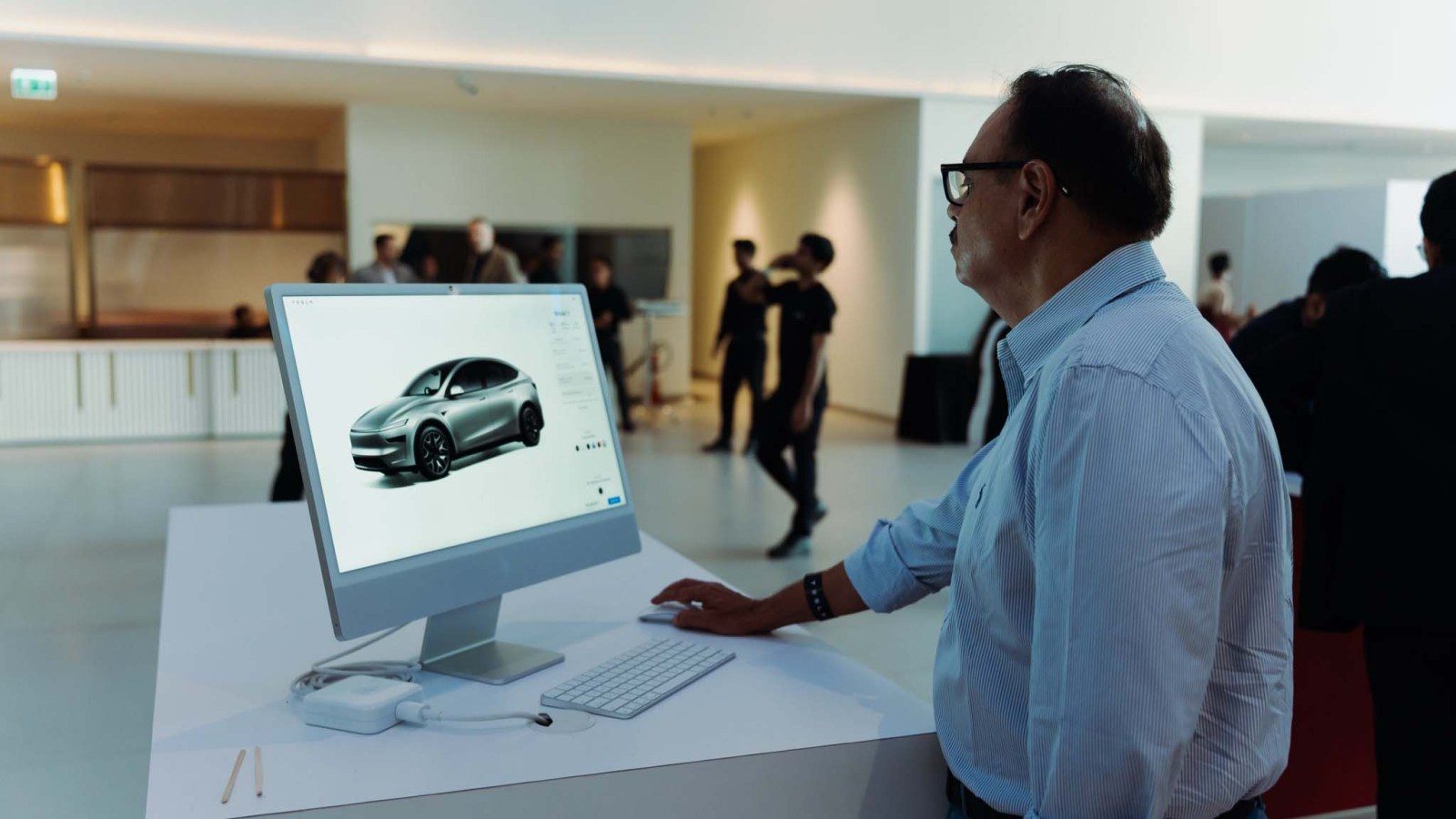
The Model Y Premium Rear-Wheel Drive is “now available to order online in India,” Tesla India wrote, directing buyers to configure the car on its local website. The variant starts at ₹50.89 lakh ex-showroom, equivalent to about $53,700.
Prices start now ₹9 lakh lower than the ₹59.89 lakh price Tesla set when it entered the market, a cut of roughly 15%.
Lineup in India
The repricing resets Tesla‘s India range to two variants.
The Premium Rear-Wheel Drive, a five-seater on the standard wheelbase, now anchors the bottom of the lineup at ₹50.89 lakh.
Above it sits the recently launched Model Y L, a long-wheelbase six-seater that launched in April at ₹61.99 lakh ($65,400).
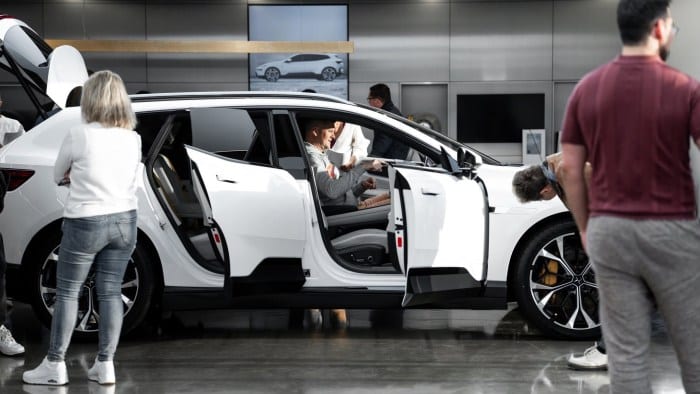
The long-wheelbase, three-row variant features a 2+2+2 seating configuration with captain’s chairs in the second row.
The L variant stretches to 4,976 mm in length and is built exclusively at Gigafactory Shanghai. Deliveries in India are scheduled to begin next month.
The new Premium RWD’s entry price removes the Long Range RWD variant that had previously sat between the two price points.
When Tesla opened orders last July, it offered two rear-wheel drive variants: the base RWD started at approximately ₹59.89 lakh (by then valued around $70,000), with a longer-range RWD variant priced above it.
Import Duties and On-road Prices
While below the original launch price, the pricing still reflects the weight of India’s import duty structure.
India imposes a duty of 110% on imported vehicles priced above $40,000, which has structurally constrained the Model Y’s price competitiveness since launch.
Tesla, however, does not intend to manufacture in India, meaning its vehicles continue to bear the full import levy.
The company has declined to commit to local manufacturing, which would qualify it for a reduced 15% import duty under India’s SPMEPCI policy — introduced in March 2024 for automakers investing at least ₹4,150 crore ($500 million) in domestic production.
All variants sold in the country are shipped from Gigafactory Shanghai as completely built units.
Sales are also pressured by different on-road prices depending on the city. The vehicle starts at ₹52.04 lakh ($54,800) in Delhi, ₹53.04 lakh ($56,900) in Gujarat, and ₹55.56 lakh ($58,600) in Manipur.
A Difficult Start
The price reduction comes after nearly a year of underperforming sales in the Indian market.
Tesla received approximately 600 orders in the period between its mid-July 2025 market entry and the end of August, ahead of the start of deliveries in September.
The company originally planned to use its full annual import quota of 2,500 units but scaled back after demand fell short of expectations, shipping approximately 300 vehicles in the initial batch.
Between September and December 2025, only 217 vehicles were registered — 60 in September, 40 in October, 48 in November, and 69 in December.
The gap between shipments and registrations left the company with unsold inventory by the end of the year.
In January, Tesla began offering discounts of up to ₹200,000 ($2,215) on approximately one-third of its imported India stock, as early bookings that were later canceled left units sitting on the ground.
The 2026 monthly figures have remained subdued.
Tesla registered 37 units in January, a 49% decline from December. February fell further to 29 units — the lowest monthly figure since deliveries began.
March rebounded to 49 units before April settled at 43 units, down 12% month-on-month.
Cumulative deliveries through April 2026 stand at approximately 383 units across the first eight months of operations — well below the 2,500-unit annual quota the company originally targeted.
Product and Network Expansion
Tesla has been expanding both its product lineup and retail footprint in the country.
On the retail side, Tesla opened its fourth Indian showroom in May, in Bengaluru’s Whitefield district — its first location in southern India.
The network now spans four cities: Mumbai’s Bandra Kurla Complex, Delhi’s IGI Airport area, Gurugram, and Bengaluru.
The company launched its first Supercharger station at One BKC in Mumbai in August 2025, and has since expanded to five stations across the country with a total of 20 Superchargers and 14 Wall Connectors.
It has announced plans to add seven more sites along major national highway corridors connecting Delhi, Mumbai, Bengaluru, Hyderabad, and Chennai.