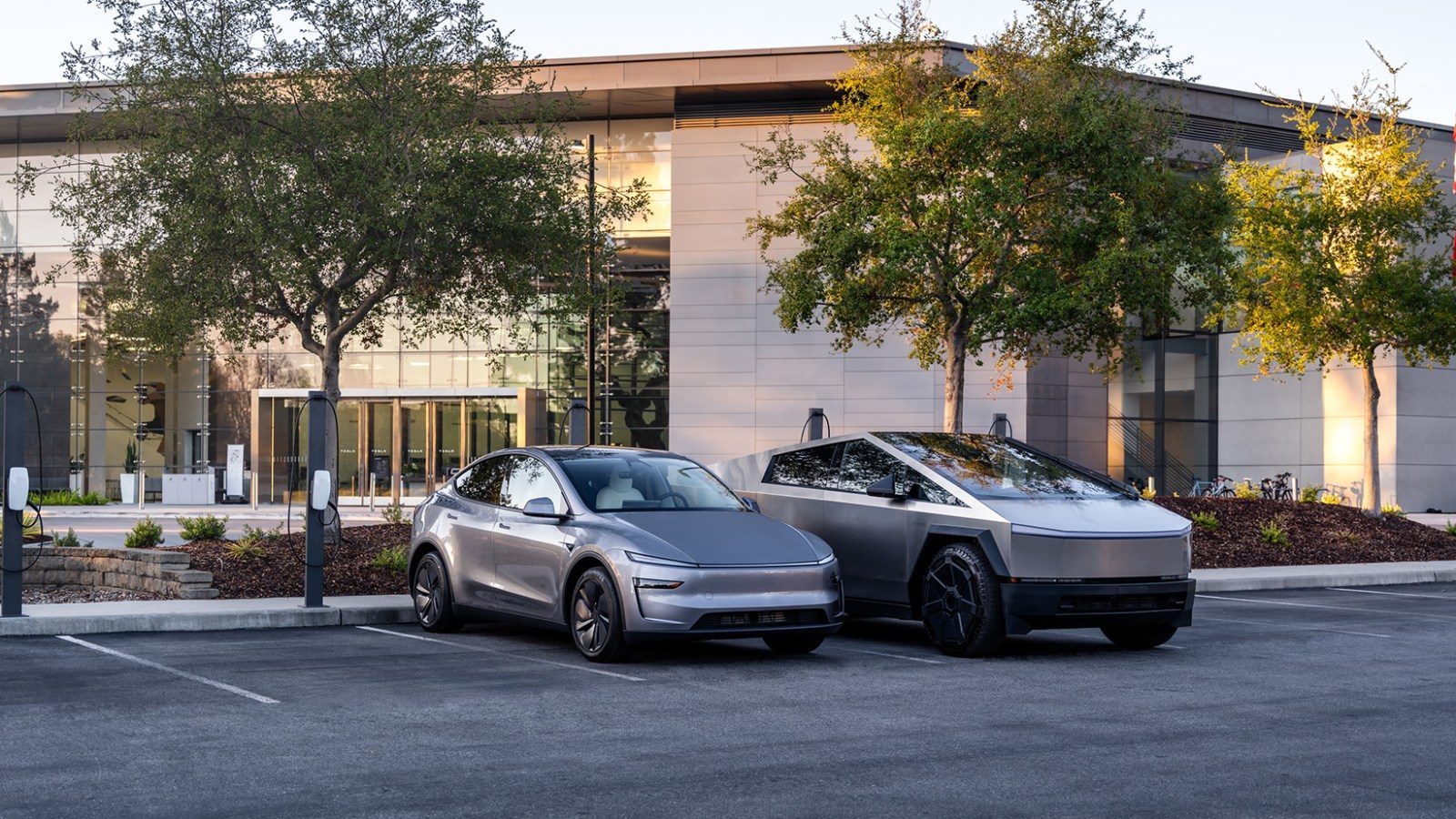

Tesla announced on Thursday that its global vehicle deliveries surged 25% year over year in the second quarter to 480,126 units — beating the company-compiled analyst consensus of 406,024 by more than 74,000 vehicles.
On the delivery side, 467,762 were Model 3 and Model Y units, while 12,364 were other models.
The result represents a 34% sequential increase from the 358,023 vehicles delivered in the first quarter, when the company had missed its consensus of 365,645 and accumulated a 50,363-unit gap between production and deliveries.
Combined first-half 2026 deliveries now stand at 838,149 vehicles.
Production rose 10% from a year ago to 451,758 units.
Of those, 442,936 were Model 3 and Model Y vehicles, while 8,822 were Cybertruck, Semi and other models.
Tesla‘s inventory overhang reversed in the second quarter, with deliveries exceeding production by approximately 28,368 units.
The company stopped producing its flagship Model S and Model X by the end of the first quarter.
US Decline vs Overseas Increase
The global beat masks a diverging geographic picture.
In the United States, Tesla’s sales continue to fall following the expiration of the $7,500 federal EV tax credit on September 30, 2025.
Tesla sold 36,642 vehicles in the US in June, a 19.7% drop from a year earlier and marking the ninth consecutive month of declines.
Europe is expected to have driven much of the upside.
Registration data released on Wednesday showed double- and triple-digit year-over-year gains across most European markets in June, extending a recovery that has built throughout 2026.
In Germany, Tesla had already surpassed its full 2025 sales total by May, aided by the reinstated federal EV purchase incentive.
In France, registrations doubled year over year in June to 7,474 units.
Retail sales snapped a two-month year-over-year decline in China in May, jumping 22.5% to 47,281 vehicles, according to the China Passenger Car Association.
Figures for the Chinese market are expected to be published in upcoming days.
The European rebound has coincided with the rollout of Tesla‘s Full Self-Driving (Supervised) software across the continent.
Four countries — the Netherlands, Lithuania, Estonia and Denmark — have approved the system since April through national recognition, though a bloc-wide EU vote has been deferred to later this year.
Autonomy Push Accelerates
Wall Street analysts have increasingly shifted their focus from Tesla‘s vehicle volumes to the company’s autonomous driving and AI projects, viewing the Cybercab, Optimus and Robotaxi as the primary drivers of the stock’s valuation.
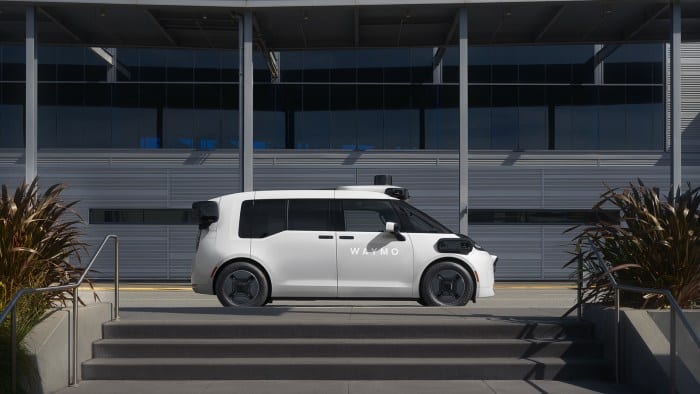
On Tuesday, Tesla said it had begun engineering tests of its first production Cybercab without a steering wheel or pedals on public roads in Austin.
Previous test vehicles had included manual controls for safety purposes.
Drone footage in April had shown the company shifting to steering-wheel-free builds at GigaTexas, and the road tests mark a milestone in bringing the purpose-built autonomous vehicle closer to deployment.
VP of Vehicle Engineering Lars Moravy teased upcoming news related to GigaTexas scaling for July 7, on the same day the Cybercab testing announcement was made.
Tesla launched its Robotaxi ride-hailing service in Austin a year ago, using modified Model Y vehicles with safety monitors.
According to Thursday’s report, Tesla deployed 13.5 GWh of energy storage products during the quarter, recovering sharply from 8.8 GWh in the first quarter.
Tesla will post its full second-quarter financial results after market close on Wednesday, July 22.
Rivian and Lucid Post Quarterly Growth
Fellow US EV makers Rivian and Lucid also reported increased deliveries in the second quarter.
Rivian delivered 12,194 vehicles, topping its own guidance range of 9,000 to 11,000 units.
The beat was driven by growth across its R1 and commercial van lines, alongside the introduction of R2 deliveries, which began on June 9.
Rivian raised its full-year 2026 delivery guidance to 65,000–70,000 vehicles from 62,000–67,000.
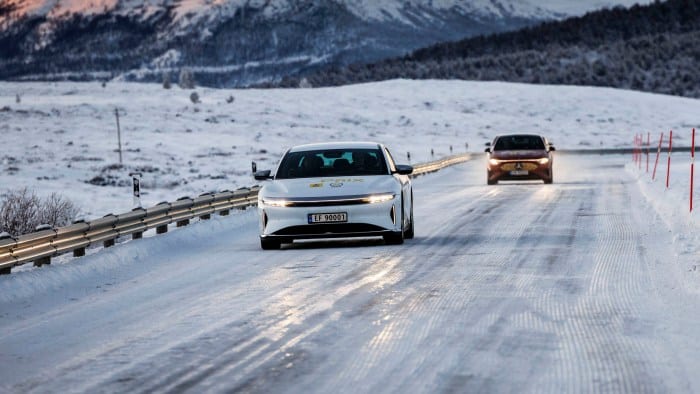
Lucid delivered 3,953 vehicles, up from 3,093 in the first quarter — a period that had been disrupted by a 29-day stop-sale on the Gravity SUV tied to a supplier seat defect.
Production reached 4,774 units.
In the second quarter of 2025, the company had delivered 3,309 vehicles, placing the latest figure at a 19% year-over-year increase.
Still, the figures were below the company’s guidance.