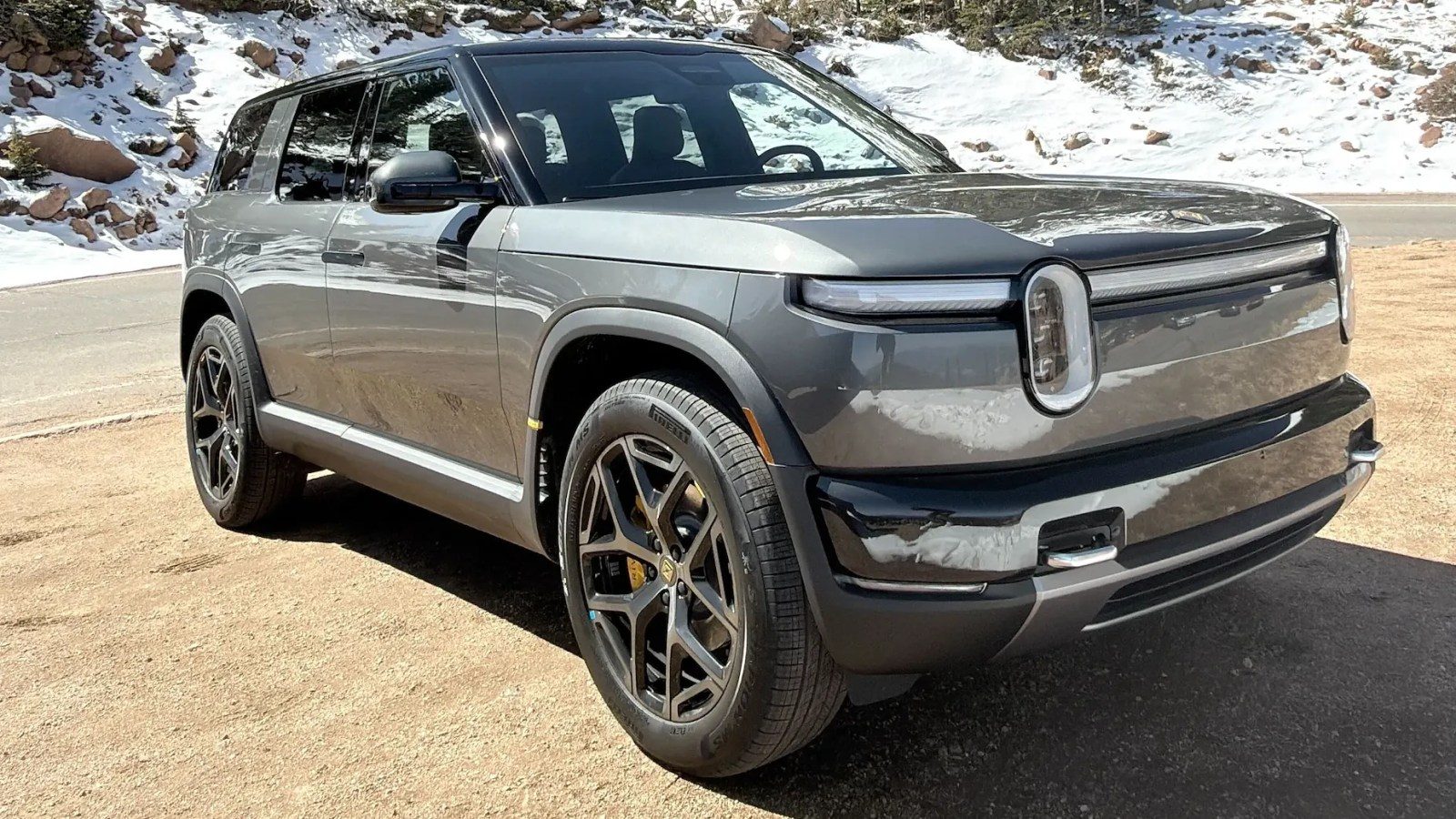

Rivian has assigned more than 2,820 vehicle identification numbers to its R2 SUV, according to owner tracking on the Rivian Forums, one of the few outside gauges of how quickly the EV maker is ramping up the model it is counting on for growth.
The count comes from a community tracker on which R2 buyers log their VINs as they are assigned. The highest serial numbers logged have crossed 2,820, indicating Rivian has assigned at least that many to the model as it ramps up production.
The number of individually documented orders in the tracker is far smaller — 83 as of a July 10 update — but the serials point to a larger production run.
A VIN is not a delivery.
The figure signals how many cars Rivian has built or is building, not how many have reached customers, and the tracker captures only owners who choose to post. Even so, it is the closest thing to a public read on R2 output.
Why VINs are the best gauge
Rivian reports a single company-wide delivery figure each quarter. It does not break that total down by model, or even separate its passenger vehicles from its commercial EDV vans.
That leaves owner-compiled VIN data as the main external window into how the R2 ramp is progressing.
No model matters more to Rivian‘s near-term growth. The R2 entered volume production in April and began customer deliveries in June, and management is leaning on it to lift volumes in the second half.
Rivian, based in Irvine, California, has guided to 62,000 to 67,000 total deliveries this year, a target that hinges on the SUV. The R2 starts around $45,000, well below the R1 pickup and SUV, and is meant to broaden Rivian’s customer base as it works toward profitability.
Cox puts a number on R2 deliveries
A separate data set gave the first outside estimate of how many R2s actually reached buyers. Cox Automotive‘s Kelley Blue Book published its second-quarter EV sales report on Friday, estimating Rivian sold 11,405 vehicles in the US between April and June.
That is 789 units below the 12,194 deliveries Rivian reported on July 2.
Those are different measures — Cox‘s number is a registration-based sales estimate, while Rivian’s is a delivery count — but the gap points to the R2.
Cox‘s model-level breakdown covers only the R1S SUV at 6,183, the R1T pickup at 1,219 and the EDV commercial van at 4,003, which sum to 11,405, while R2 orders that opened on June 9 were folded into a catch-all “Other Models” category.
The two data sets moved in lockstep in the first quarter, when no R2 volume existed: Rivian reported 10,365 deliveries, and Cox‘s figures produce the same total when the R1S, R1T and EDV are summed.
The clean match in a quarter without the R2 strengthens the case that the second-quarter gap reflects the new model. The EDV portion also lines up with the 4,003 commercial vans Cox separately attributed to Rivian, its best van quarter since 2024.
Estimates that do not agree
The 789 figure lands between two earlier markers. VIN-tracking data compiled by owners and reported by EV in late June suggested Rivian was on track to deliver more than 1,100 R2s before the quarter closed, while BNP Paribas had modelled fewer than 400.
Cox‘s implied number sits in the middle.
The spread underscores how little hard data exists on the model. With Rivian silent on model-level volumes and Cox yet to break out the R2, estimates for a single quarter range from a few hundred units to more than a thousand.
The VIN tracker is also the only one of the three updated daily. Rivian’s delivery counts and Cox‘s registration estimates arrive only at each quarter’s close, which is part of why owners keep logging serials in the meantime.
What Rivian has said
Rivian’s 12,194 deliveries beat its own outlook for the quarter, and the company attributed the gain to growth in EDV and R1 sales “coupled with the introduction of R2 deliveries,” without giving a model-specific figure.
The wording confirms the R2 contributed to the quarter but leaves its scale to outside estimates.
The July 10 tracker update offered only granular detail: three new VINs logged that day, California as the top destination, and Launch Green and grey among the most common colours, most of them on the larger 21-inch wheels.
The documented sample splits almost evenly between existing R1 owners and new buyers — a reminder that much of the R2 picture is being pieced together from customers rather than the company.
Why the figures diverge
Cox relies on state-level registration data that can take weeks to flow through, and it typically adds new models to its tracking with a delay, which helps explain why the R2 has not yet surfaced as its own line.
Rivian‘s direct-to-consumer sales model adds another wrinkle: because it bypasses franchise dealers, its registrations may not appear as quickly in the databases that capture dealer transactions.
VIN assignments run ahead of both.
A car receives its VIN at production, before it is delivered and well before its registration is recorded, which is why the forum’s 2,820 count outpaces every delivery estimate.