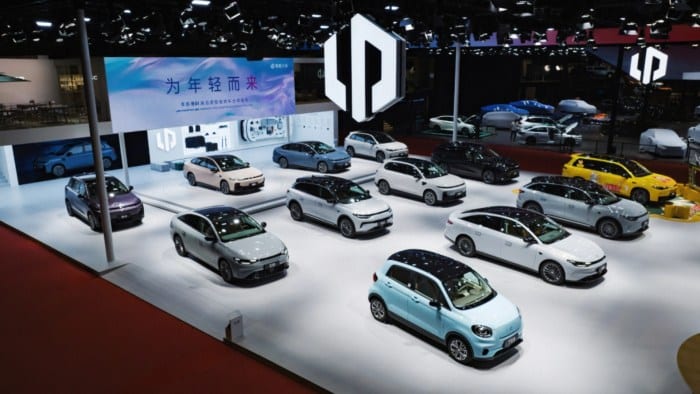

Nio Inc. registered two vehicles in the Netherlands in July — one EL6 SUV under the main brand and a single unit of its Firefly sub-brand — down 90.0% from 20 a year earlier, according to BOVAG registration figures.
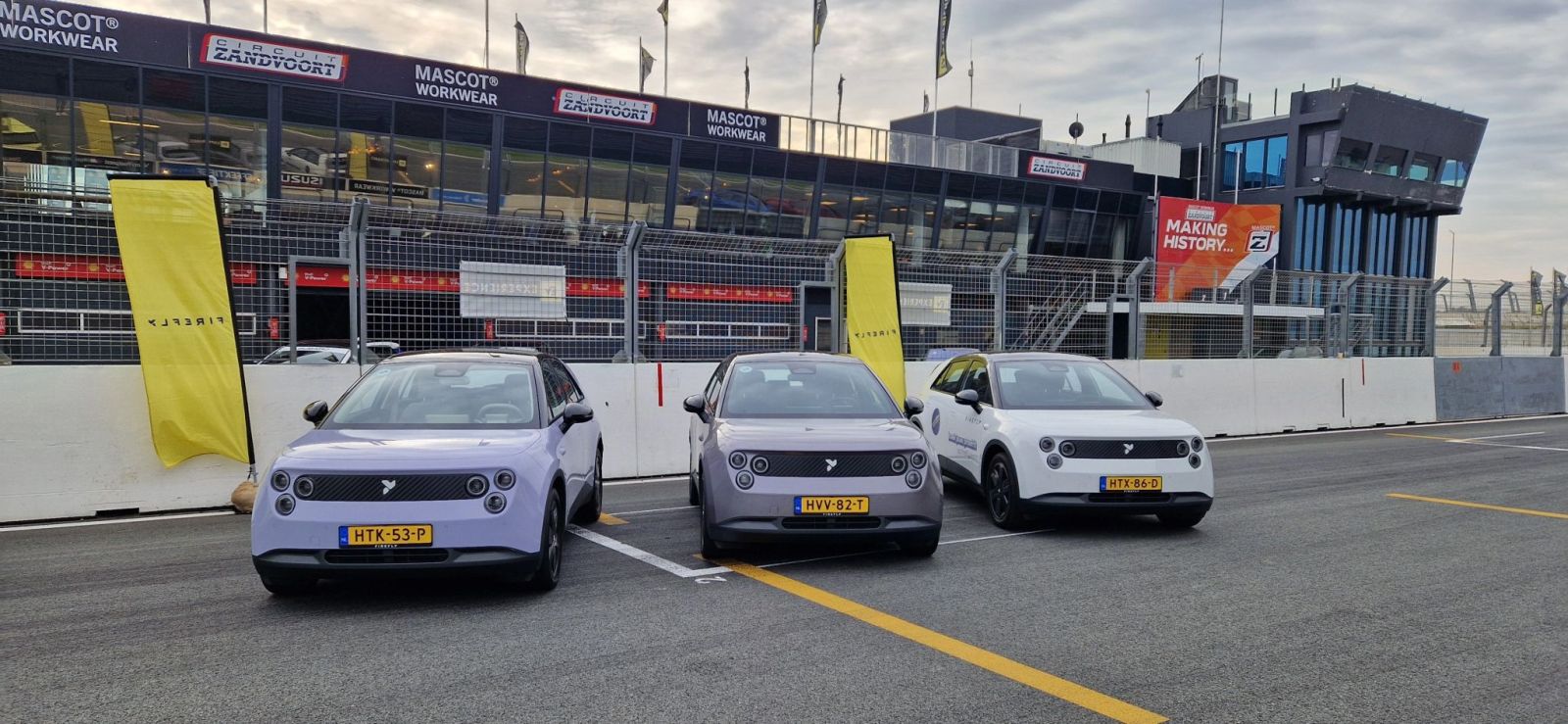
On August 14, Firefly marks one year since it delivered its first vehicles in Europe, with the Netherlands as one of its two launch markets.
The sub-brand, developed at Nio‘s Munich design centre with European buyers in mind, enters its anniversary month having registered exactly one car in the country in July.
Tariffs imposed by the European Commission in late 2024 forced the company to launch its cheapest model ever in its home market first.
Through seven months, the group’s Dutch registrations stand at 47 vehicles against 74 in the same period of 2025, down 36.5%.
The figures include eight from the main brand and 39 from Firefly, which now accounts for 83.0% of the group’s volume in the country a year after arriving as its affordable entry point.
Both Sedans at Zero for the Year
The model-level data carries the starkest detail. The main brand’s eight registrations in 2026 split evenly between the EL6 and EL8 SUVs — four each — while the ET5 and ET7 sedans have not registered a single Dutch unit all year.
Both sedans nonetheless front the live promotions page on Nio’s Dutch website, which advertises “special stock deals” on the ET5, ET5 Touring and EL6 — personalized offers combining BaaS-subscription advantages, purchase discounts and financing, with no amounts published.
The page states the promotion runs through “31 juni 2026” — a date that does not exist on any calendar, and five weeks expired even read as June 30 — while the ET5 Touring page still opens with winter-season copy in August.
The July 2025 comparison base deserves its own asterisk: 17 of the year-ago month’s 20 units were ET7 sedans registered in a single batch, a pattern consistent with fleet or company registrations rather than retail demand.
Even against a cleaner base, however, the direction is unambiguous — the brand has averaged barely more than one car a month all year.
The monthly series for 2026, combining both brands, reads: 17 vehicles in January — inflated by 14 Fireflies delivered from the pre-tax-change order book — then seven in February, five in March, six in April, four in May, six in June and two in July.
The Worst Month of the Year
The July result is not merely weak; ranked against the full monthly record, it sits at the bottom.
Two vehicles is the group’s worst month of 2026 outright — below May’s four, March’s five and April’s and June’s six — and across the entire nineteen-month record since the start of 2025, it is tied with April 2025 as the lowest monthly total the group has ever posted in the Netherlands. No month since the Firefly launch has been lower.
Each brand contributes its own floor. The Nio brand’s single July unit follows a year in which the floor had already been broken: April 2026 was the first month without a single Nio-brand registration since the company entered the market in October 2022, as EV reported — and May repeated the zero.
Firefly’s single July unit ties the sub-brand’s all-time Dutch low, matching the one-car months of July and September 2025 — but those came in its opening weeks, when deliveries were barely flowing.
The December distortion cuts both ways in the comparison: stripping the 107-unit tax-deadline spike from 2025 still leaves that year averaging over 13 vehicles a month against 2026’s 6.7.
The December That Explains 2025
The collapse traces directly to Dutch tax policy.
The group registered 252 vehicles in the Netherlands across 2025 — 199 Nio and 53 Firefly — of which 107, or 42.5% of the entire year, landed in December alone as buyers rushed to secure leases before the bijtelling change took effect.
On January 1, the benefit-in-kind rate on electric lease vehicles rose from 17% to 22%, equalizing the treatment with petrol cars and eliminating the structural advantage that had channeled Dutch company-car demand toward EVs.
The December pull-forward emptied the order pipeline that would otherwise have filled early 2026 — and seven months later, the group’s registrations have not recovered.
July was among the strongest electric months in Dutch history: 13,267 full-electric registrations took a 47.3% share of the 28,066-unit market, up 16.3 percentage points year over year, with petrol collapsing to 7.5%.
The Škoda Elroq led all models at 678 units, ahead of the Kia EV3 at 627 and the Cupra Raval at 553.
In the most electrified major month the Dutch market has recorded, Nio’s six-model lineup, roughly ten battery-swap stations, Nio Houses in Amsterdam and Rotterdam and hub in Utrecht produced two registrations.
A Market Without a Country Chief
The organizational backdrop is the European restructuring EV has documented step by step.
In February, Nio quietly dismantled its European management structure, splitting the region into six departments and shifting sales toward a dealer and distributor model, according to an internal email seen by EV — a program that trimmed local teams as part of a group-wide cost-cutting plan.
Since then, the Netherlands — like Germany and Sweden, the markets Nio entered alongside it in October 2022 — has been run directly by the European team in Amsterdam, without a country chief of its own, and none of those posts will be refilled.
Norway, the company’s first overseas market from 2021, remains the exception: general manager An Ho keeps dedicated country leadership, now reporting into the Global Business department in China.
The Nordic country is also the one Nio market in Europe untouched by the European Commission’s tariffs on China-built EVs, in force since October 2024, which apply to the EU markets but not to the non-member Nordic country.
The irony of geography is complete: the European team that runs the chief-less Dutch market sits in Amsterdam — the city whose home market registered two cars in July.
The cost discipline serves a group-level goal.
Nio Inc. is targeting its first full year of profitability in 2026, after posting its first profitable quarter ever in the final three months of 2025.
Firefly’s Complicated Birthday
The anniversary arrives with the sub-brand in an awkward position: it has become the group’s Dutch volume leader by default while failing by any absolute measure, averaging under six cars a month in a market that named it a car of the year.
The nameplate first appeared in Dutch registration data in June 2025, with six test and display cars filed as “other Nio models” — in a month the main brand registered exactly one vehicle, a preview of the ratio that now defines the group’s Dutch presence.
Firefly’s debut model launched with a pricing of €29,900 — with the Comfort trim at €32,500 since November — and was temporarily cut to €24,900 in a Black Friday promotion last year.
The deeper structural gap remains the technology: no Dutch Firefly can use a battery-swap station, because the model’s 42.1-kilowatt-hour pack and shorter wheelbase are incompatible with every station in Europe.
The first fifth-generation station able to serve the car opens in Quanzhou, China, on August 7 — a week before the European anniversary — with no timeline for the hardware to reach the continent where the brand was designed, at Nio’s Munich center, to compete.