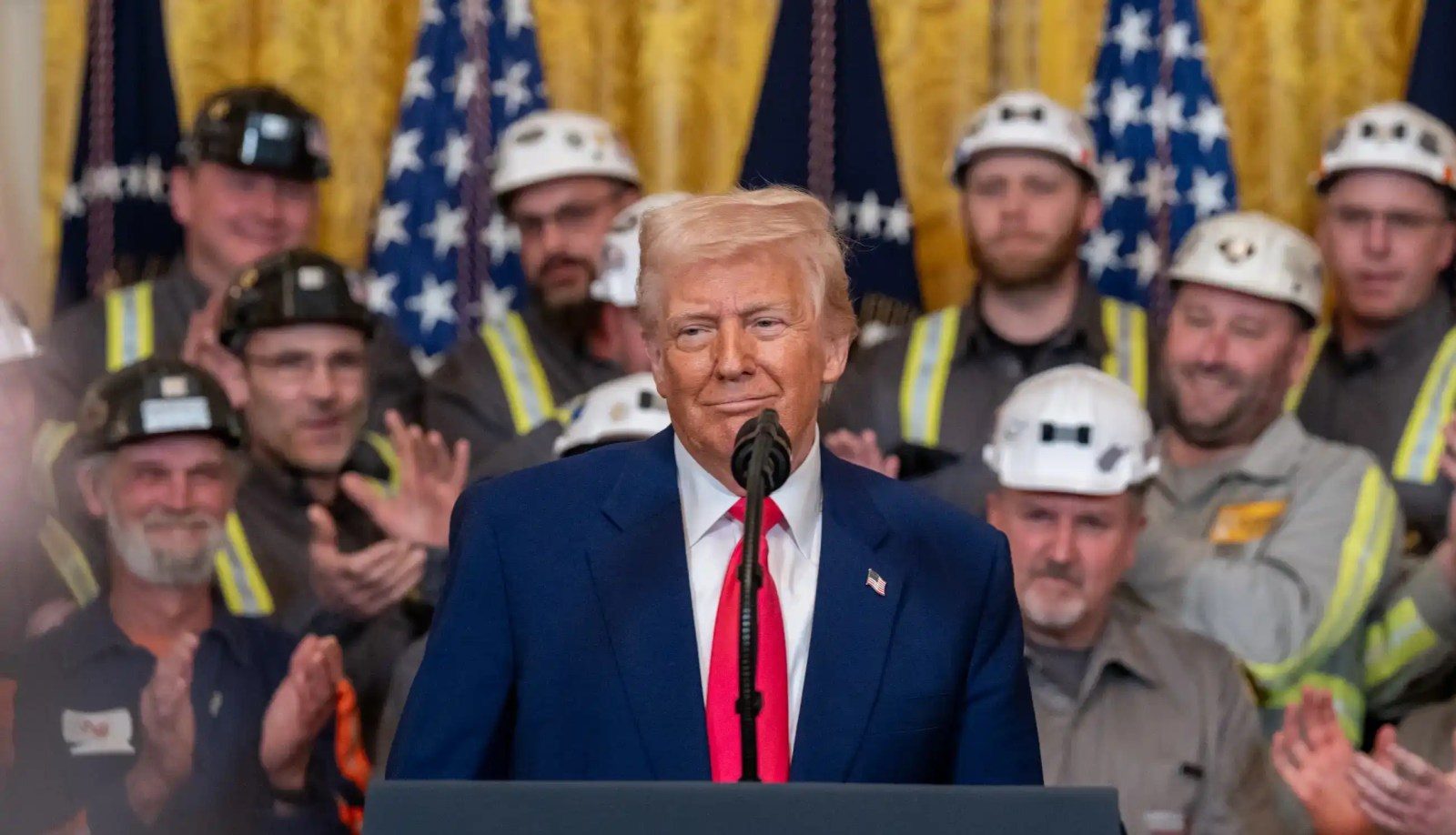

US President Donald Trump postponed a 50% tariff on a range of Canadian goods late Tuesday, less than two hours before it was due to take effect, with disagreement over auto tariffs among the issues still blocking a final agreement.
Sources cited by CBC News said the two countries remained “at loggerheads” over what tariff, if any, should apply to Canadian-made vehicles bound for the US market.
Trump posted on Truth Social that he had “paused the 50% Tariffs against Canada” based on the claim that the two countries, “subject to the finalization of documents, have a DEAL!”
According to Trump, the Keystone XL pipeline — proposed in 2008 to bring oil from Canada’s western tar sands to US refiners and cancelled by the Biden administration in 2021 — “may be awoken from the grave.”
US Trade Representative Jamieson Greer later added that the deal included “comprehensive market access for all American goods, economic security commitments, digital trade alignment,” and provisions to protect American workers, without offering specifics, according to CBC News.
No Deal, But Progress
Prime Minister Mark Carney issued his own statement shortly after Trump’s post, offering a markedly different framing.
Carney did not describe the outcome as a deal and did not specify which concessions, if any, Ottawa had made.
He characterized the announcement as a postponement so trade discussions could continue, according to CBC News.
“Substantial progress has been made, although there is important work still to be done,” Carney’s statement read. Washington had agreed to postpone the 50% tariffs under Section 338 of the U.S. Tariff Act of 1930 until end of day August 21, the statement confirmed.
“While we continue this work, Canada remains focused on building a stronger, more independent, and more competitive economy at home,” Carney added.
The levies would have applied to hundreds of products worth more than $28 billion, from plywood and cement to wine and hockey sticks.
Energy, potash, fish and critical minerals were excluded from the proclamations Trump signed in mid-July.
Auto Tariffs Stall Deal
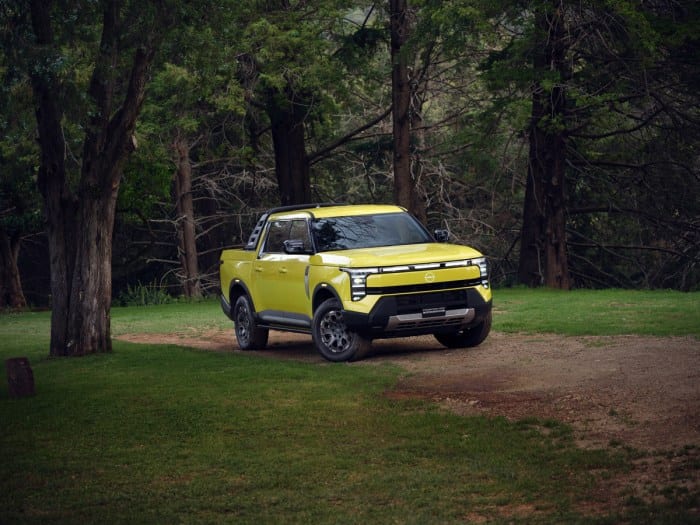
Auto tariffs remained the central obstacle preventing a final agreement just hours before the deadline, according to sources cited by CBC News.
The sources cited by the Canadian outlet stated that both countries were “at loggerheads” over what sort of tariff, “if any,” would be applied to Canadian-made vehicles bound for the US market.
Canada wanted Washington to drive down tariff rates to the lowest possible level.
What Greer and his team had presented so far was “not satisfactory,” the sources stated.
The latest US offer would lower the tariff on Canadian-made vehicles to a headline rate of 15%, down from the current 25% under Section 232.
Automakers could reduce the effective duty further by incorporating more US content, bringing the actual rate collected as low as 7.5%, CBC reported.
Canadian officials considered that rate still too high.
Last week, a Globe and Mail report said Canadian officials were likely to accept a 12.5% rate on auto exports in exchange for reduced levies on vehicles that comply with the United States-Mexico-Canada Agreement (USMCA).
Monday Negotiations
Politico further reported that automobiles remained a major sticking point as US and Canadian officials huddled Monday afternoon, citing three people familiar with the status of the talks.
Canada wanted the duty to apply only to vehicle content produced outside North America, according to one of the people cited by the outlet.
The auto file has functioned as a linchpin across several other unresolved issues.
Washington pressed Canada to drop retaliatory measures imposed in response to Trump’s tariffs last year, including provincial bans on US liquor and tariffs on US vehicles, Politico reported.
Washington has made clear that getting American wine and spirits back on Canadian shelves is a red line, but that issue falls to individual provinces maintaining the bans.
Additionally, Ontario Premier Doug Ford governs the province that houses the majority of Canada’s auto manufacturing base.
Whether Ford agrees to lift the liquor ban will depend on where the two sides land on autos, one person familiar with the talks told the outlet, calling the automobile piece a “domino” in the discussions.
Canada-US Trade Minister Dominic LeBlanc pushed for the US to scrap the Section 338 tariffs and lower the existing Section 232 duties on steel, aluminum, autos and lumber.
Greer has repeatedly signalled Washington is not open to dropping its tariff regime entirely, but the rate may be flexible if Canada addresses US demands, according to CBC News.
Sector Under Pressure
Canada’s auto industry has absorbed the brunt of the trade war since Trump’s tariffs first took effect in April 2025.
Canadian vehicle production fell 33% below pre-pandemic levels last year, with the country assembling just 1.2 million passenger vehicles in 2025, according to BMO.
Canada’s counter-tariffs cut American auto exports to Canada by $5.6 billion between April 2025 and March 2026, a 22% drop, according to White House figures.
Detroit-based automakers have pulled back on Canadian manufacturing over the past year, reallocating production to the US.
Stellantis told Unifor last week that it is seriously considering the closure and sale of its Brampton, Ontario assembly plant, where roughly 2,200 workers have been on layoff since December 2023.
GM has cut positions across its Oshawa and CAMI plants.
Unifor national president Lana Payne has warned that accepting any US auto tariff in a deal would guarantee long-term plant closures and layoffs.
Flavio Volpe, Head of the Automotive Parts Manufacturers’ Association, told The Globe and Mail that a tariff of 10% to 15% “does not work for car makers or parts makers.”
The new deadline expires at the end of the day on August 21.