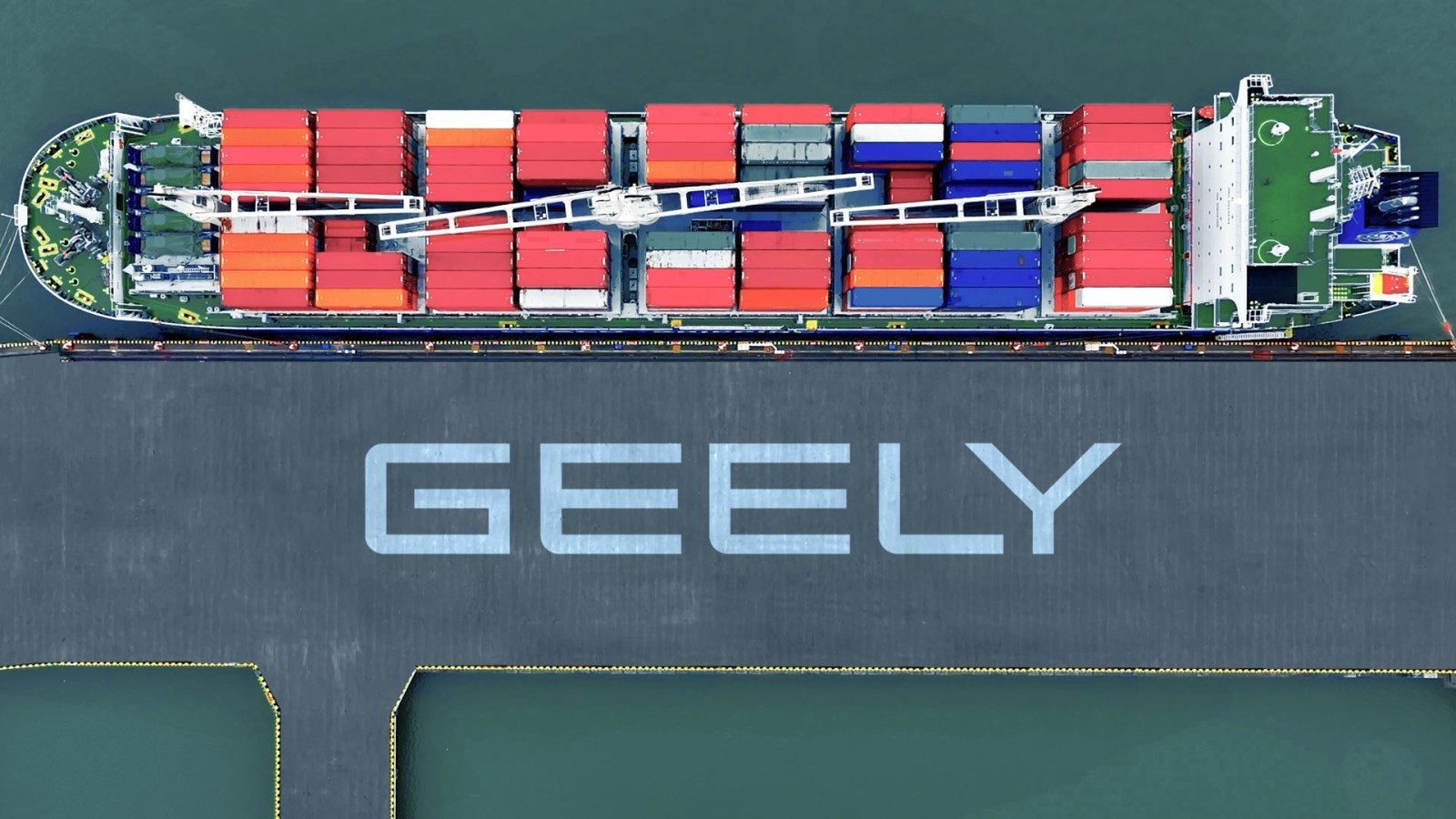

Geely is preparing to enter the Canadian market, with the Chinese automaker’s premium Zeekr division posting six leadership roles in Toronto this week to launch the Geely namesake brand.
The LinkedIn job listings — first spotted by X user ‘SimplyGregster’ — include Head of Sales, Head of Marketing, Head of Product, Head of Aftersales, Head of Network Development, and Head of Legal Counsel.
All six are designated as on-site positions in the Toronto area.
The roles were posted by Zeekr International, the entity that manages the premium brand’s overseas operations, but each listing explicitly references the “Geely Auto Brand” in its title rather than Zeekr.
The distinction signals that Zeekr International is acting as the operational arm for the Canadian launch of the Geelynamesake brand, rather than introducing the Zeekr brand itself.
Confirmed Canadian Plans
The hiring aligns with statements made by Geely Holding Group’s CEO Andy An in March, when he confirmed — for the first time at the executive level — that the company intends to sell vehicles directly in Canada under the Geely Auto nameplate.
An said certification from Canadian authorities was expected “soon.”
“Geely‘s globalization is mostly through exports right now, but we will look to localize production,” An told Bloomberg at the time, without specifying whether the group would acquire or build a plant in Canada.
An previously served as CEO of Zeekr before being promoted to lead the entire holding group.
The company had trademarked the Zeekr name in Canada last year, which initially pointed toward a standalone Zeekr launch.
The Toronto job listings now suggest that the first consumer-facing brand could instead be Geely Auto, with Zeekr-branded vehicles following at a later stage.
Existing Canadian Footprint
Geely already operates in Canada through multiple brands in its portfolio.
Swedish-headquartered Volvo Cars and Polestar both have existing sales networks and Transport Canada certifications.
Both brands also manufacture vehicles in the United States, giving them a dual supply path into the Canadian market independent of the Chinese EV import quota.
The two brands have, however, signaled intent to take advantage of the quota, as trade relations between the two North American nations remain tainted.
Last week, Geely-controlled Lotus launched the Eletre SUV in Canada at a starting price of C$119,900.
The electric SUV, manufactured at Geely‘s Wuhan plant, became the first Chinese-built passenger EV to formally launch in the country under the trade deal Ottawa and Beijing struck in January.
That agreement replaced Canada’s 100% surtax on Chinese-made EVs with a 6.1% tariff under a quota of 49,000 vehicles per year — a framework that opened the door for Chinese brands to enter at commercially viable price points.
Geely Auto’s Positioning
It is not yet clear which vehicles Geely Auto would bring to Canada.
The Head of Product role among the Toronto postings suggests the brand is still defining its Canadian portfolio.
In China, Geely Auto’s lineup spans from affordable sedans and SUVs to plug-in hybrids, with several models built on the same Sustainable Experience Architecture (SEA) platform that underpins Zeekr‘s vehicles.
The brand’s pricing in its domestic market skews well below Zeekr‘s premium and Lotus‘ luxury positioning — a factor that could make Geely Auto more suited to capturing volume in Canada.
Ottawa’s trade framework requires a share of imports to be priced below C$35,000 starting in 2027.
Canada’s import permit system launched on March 1, with the first 24,500 permits available through August on a first-come, first-served basis.
A second allocation opens in September.
Chinese EVs in Canada
The Geely Auto hiring adds to a growing wave of Chinese automakers’ activity in Canada.
BYD, Chery, and Geely have all been confirmed as preparing for Canadian market entry by the end of 2026, according to DSMA, a buy-sell advisory firm brokering discussions between Chinese manufacturers and Canadian dealers.
Chery began recruiting Canadian staff in January. Vehicles under its Omoda & Jaecoo sub-brand were spotted in Toronto earlier this month.
BYD has registered its manufacturing plants with Transport Canada’s preclearance registry and plans to open twenty dealerships in the country.
The company is also studying a Canadian manufacturing facility, though it has rejected the joint-venture model Ottawa had promoted.
Political Context
The entry of Chinese EVs into Canada continues to draw opposition from domestic industry groups, the Conservative Party, and provincial leaders.
Ontario Premier Doug Ford has labelled the incoming vehicles “spy vehicles,” and the Canadian Vehicle Manufacturers’ Association has warned that the quota could displace domestic production.
Experts have also flagged concerns about weak labor rights in China.
In the United States, Trade Representative Jamieson Greer has said Chinese automakers will face major obstacles to entering the American market.
Washington has maintained its own 100% tariff on Chinese-made EVs — a duty that Canada had previously matched in late 2024 — alongside restrictions on Chinese vehicle software and hardware.