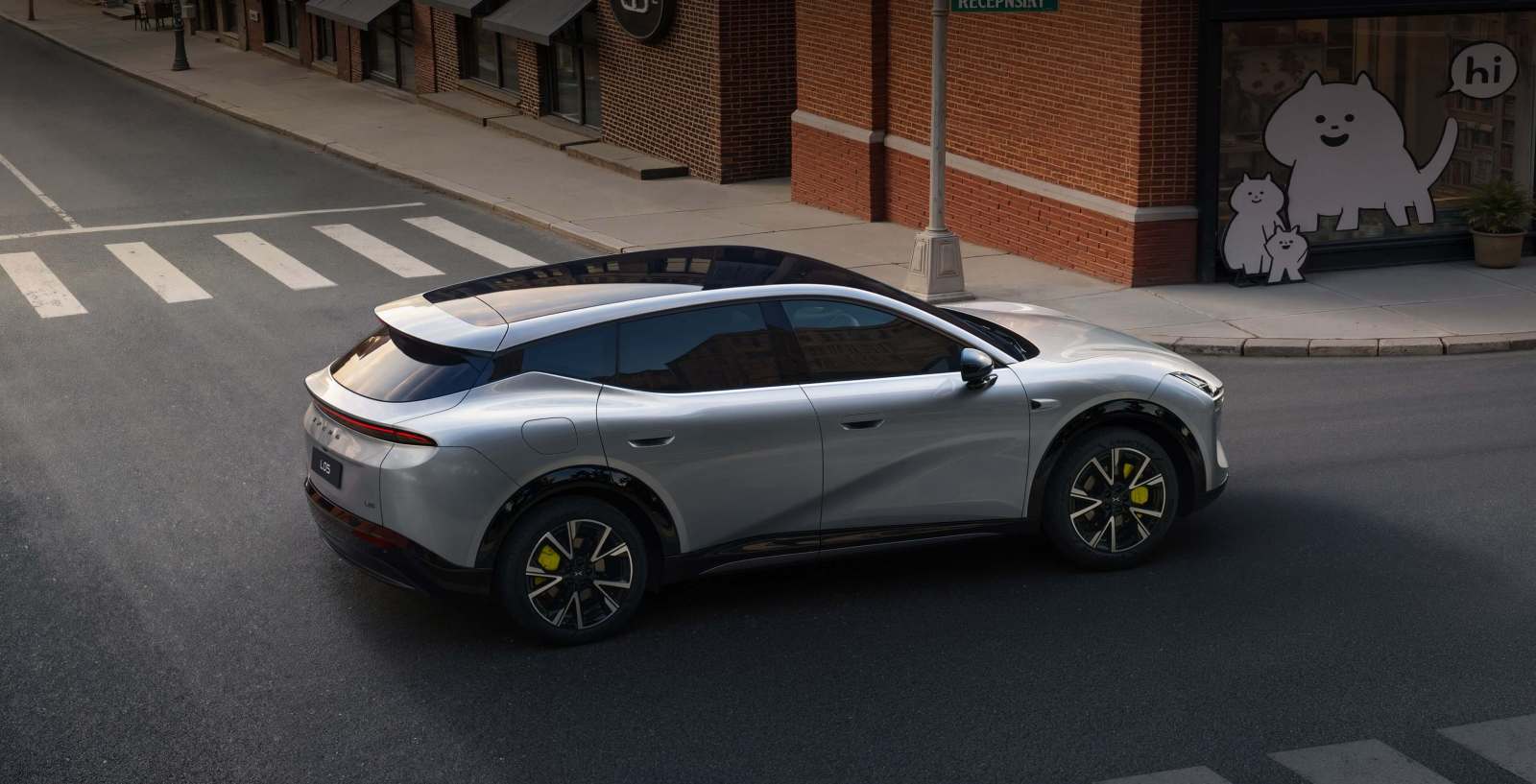
XPeng’s second-quarter results drew five analyst notes, four of which cut price targets after third-quarter guidance came in below expectations. None raised, and most kept their ratings unchanged.
The US-listed shares closed 8.5% lower on Monday at $11.15, reaching a new 20-month low as the Guangzhou-based carmaker continues to switch its focus to robotaxis and humanoid robots.
Barclays cut its target to $14 from $15 and kept an Underweight rating. Bernstein SocGen cut to $18 from $20 at Market Perform.
Macquarie kept Outperform while cutting its target 5% to $18, and its Hong Kong target 4%, on lower peer valuations rather than anything in the results. Bank of America stayed at Buy and $19.
Goldman Sachs analyst Tina Hou cut her target on the Hong Kong-listed shares to HK$69 from HK$77, a reduction of 10.4%, while keeping a Buy rating.
XPeng is dual-primary listed, trading in Hong Kong under 9868 alongside the New York depositary shares.
Against Monday’s close, the four dollar targets imply gains of 25.6% to 70.4%.
The stock was recovering 0.90% to $11.25 in pre-market trading on Tuesday.
Agreement Except the Bottom Line
The four notes that address the quarter in detail describe volume and revenue as in line and gross margin as a beat.
Barclays calls the bottom line better than expected. Macquarie says adjusted net profit missed the Bloomberg consensus. Bernstein leads its note on losses widening on higher investment.
All analysts converge on the guidance.
The Guidance Miss
Barclays analyst Jiong Shao had modelled roughly 53,000 deliveries a month for August and September, and about 145,000 for the third quarter — growth of 25% year on year, on the strength of the Mona L03.
XPeng guided to 115,000 to 121,000, between 16.6% and 20.7% below that estimate.
Demand is not the constraint.
Shao notes the L03 took 46,900 non-refundable orders within an hour of launch, against 10,000 for the M03 at its launch. Supply chain disruption, he writes, has seriously impaired XPeng’s ability to deliver against them.
Founder and Chief executive He Xiaopeng gave a second cause on the call. Extreme weather as well as supply chain disruption had affected the ramp, he said.
New uncancellable orders across July and August rose more than 50% from the prior quarter to a record.
Management has said two-shift production of the L03 has begun and that deliveries will rise substantially, reaching about 60,000 a month in the fourth quarter.
Shao is unconvinced that closes the gap. Shao expects full-year delivery growth in the mid single digits, against roughly 126% in 2025.
On the 429,445 vehicles delivered last year, that implies about 451,000 — well below the 550,000 to 600,000 internal target, which would require growth of 28.1% to 39.7%.
Bernstein Names Volkswagen
Bernstein’s note identifies the customer XPeng calls only “the Manufacturer.”
Analyst Eunice Lee estimates that 1.2 billion yuan of second-quarter services revenue came from Volkswagen, technical research and development fees recognised on milestone achievement.
That is 44.4% of the 2.70 billion yuan the segment generated, and the largest single reason gross margin held above 20%.
The identification is her estimate, not an XPeng disclosure.
Her breakdown is the most detailed of the four. Vehicle revenue rose 1% year on year while services revenue nearly doubled.
Average selling price reached 165,000 yuan, up 0.9% on the year but down 6.0% sequentially, reflecting a heavier Mona M03 mix, partly offset by the GX and by overseas sales — more than 20,000 units in the quarter at an average selling price above €40,000.
The analyst attributes the fall in vehicle margin, to 12.1% from 14.3%, to rising raw material costs and a less favourable mix.
Operating expenses rose to 27.4% of revenue from 23.9% a year earlier, with selling, general and administrative costs at 12.6% against 11.9%. Net margin was negative 6.8%, against negative 2.6% a year earlier and negative 13.7% in the first quarter.
The Robot
XPeng announced a $900 million financing for its robotics subsidiary hours before reporting. Neither Barclays nor Bank of America puts it in a forecast.
Shao accepts the opportunity is significant, with average selling prices and margins well above XPeng’s cars — a claim He Xiaopeng made himself on the call.
But until the first units leave the line and can be seen and handled in stores, Shao writes, it is hard to include them in a 2027 financial build.
The stock, in his view, will continue to be driven by vehicle deliveries until robot sales reach a material scale, which he does not expect before external customers start buying.
Shao notes the disclosed timetable — production by year end, deployment in XPeng stores in the first half of 2027, then external sales — matches what the company has said before.
He Xiaopeng’s own account on Monday placed the store and campus deployments at the start of scaled production around year end rather than in the first half of 2027.
Macquarie’s Eugene Hsiao reaches a similar position from the opposite direction, describing volume momentum as rebuilding while cutting his target on peer multiples.