The U.S. National Highway Traffic Safety Administration (NHTSA) has opened a recall query into 2,895 Waymo robotaxis to determine whether a software recall the company issued in December 2025 stopped its driverless cars from illegally passing stopped school buses.
The agency said on Monday that most of the violations it is reviewing occurred after November 2025, when the Alphabet unit said it had finished deploying the fix across all affected vehicles.
The query will assess the adequacy of the remedy and determine the causes of the incidents that followed it, NHTSA said.
A recall query is the step the agency takes when it suspects a completed recall did not fix the defect.
A Fix Deployed in November
Waymo filed the recall in December 2025, covering 3,067 vehicles running its fifth-generation automated driving system, according to its report to NHTSA.
The affected software ran from Waymo’s August 20, 2025 driverless release to its November 5 release. Before the fix, vehicles that had stopped, or were stopping, for a school bus would in some cases “proceed again before the school bus had deactivated its flashing lights,” Waymo said.
The company traced the behavior to a decision by the system to move when it judged it was impeding another vehicle.
It said the problem “only manifested with the 8/20/2025 driverless software release,” which “was broadly deployed in mid-September 2025” and “included changes to the method for predicting the intended behavior of other agents.”Its remedy stopped the software from prioritizing avoiding impeding vehicles over remaining stationary for a school bus with flashing lights or an extended stop arm.
According to Waymo’s chronology, the first known event occurred on September 22, 2025, when “a Waymo AV slowed to 5 mph for a school bus and then proceeded” before the bus retracted its stop arm. The event was found through field monitoring and did not result in a citation.
Its Field Safety Committee approved the fix as a hotfix on October 30, the remedy was deployed to all affected vehicles between November 5 and November 17, and its Safety Board decided on December 2 to conduct a recall.
Waymo said it was aware of 12 citations tied to the behavior, dated September 25 to November 14, 2025, and of no collisions.
“Holding the highest safety standards means recognizing when our behavior should be better,” Chief Safety Officer Mauricio Peña said when the company announced the recall in December.
How the Probe Began
NHTSA opened a preliminary evaluation in October 2025, covering an estimated 2,000 vehicles, after a media report of an incident in Atlanta on September 22.
In that case, a Waymo vehicle approached a stopped school bus from a side street, initially stopped, then drove around the front of the bus and passed its left side while the red lights were flashing, the stop arm was deployed and students were getting off on the other side, according to the agency’s opening document.
NHTSA said at the time that “the likelihood of other prior similar incidents is high,” given its engagement with Waymo and the fleet’s roughly 2 million weekly miles.
Austin’s Count Kept Rising
The Austin Independent School District became the main source of reported violations. On November 24, 2025, NHTSA’s Office of Defects Investigation emailed Waymo about a district letter citing “19 documented incidents of Waymo AVs passing stopped school buses.”
The district had asked Waymo to “cease AV operations during common pick up and drop off times for students,” according to the email, which asked Waymo whether it would do so, whether a software fix had been developed and whether it planned a recall.
The district’s Office of the General Counsel had written to Waymo on November 20, 2025, citing Texas Transportation Code § 545.066 and Austin City Code § 12-1-73. “Alarmingly, five (5) of these violations occurred after Waymo’s November 5, 2025 letter reassuring Austin ISD that certain software updates were in place to resolve the issue,” the letter said.
The district demanded that Waymo stop operating its vehicles from 5:20 a.m. to 9:30 a.m. and from 3:00 p.m. to 7:00 p.m. until more in-depth software updates were completed.
In one of those incidents, a Waymo vehicle drove past a stopped school bus moments after a student crossed in front of it, while the student was still in the road, the letter said. Public schools in Atlanta recorded six other violations.
By mid-January 2026, the district said it had confirmed 24 violations, including incidents that came “even after the November software update and December software recall Waymo says they conducted.”
The NTSB Is Investigating Too
The National Transportation Safety Board opened its own investigation, HWY26FH007, into an incident in Austin at about 7:55 a.m. on January 12, 2026, according to its preliminary information.
An unoccupied 2024 Jaguar I-Pace running Waymo’s fifth-generation system was the first vehicle to stop for a school bus that was loading students with its red lights flashing and stop arms extended. After three other vehicles passed the bus, the Waymo car asked remote assistance, “is this a school bus with active signals?” according to the NTSB’s preliminary information, issued on March 3.
The remote agent, who was in Novi, Michigan, answered “No,” and the vehicle drove past the bus with its stop arms still extended. Six vehicles passed the stopped bus in total, and no one was hurt. The NTSB said Austin ISD had reported several similar Waymo incidents in the school year, including one involving a special-needs route bus on January 14. Austin ISD and Waymo are parties to the investigation.
Two More Recalls in 2026
Waymo has filed two further software recalls this year. In May, it recalled 3,791 vehicles after an unoccupied robotaxi in San Antonio drove into a flooded road on April 20 and was swept into Salado Creek, according to its filing. It resumed San Antonio service in September.
In June, it recalled 3,871 vehicles capable of driverless freeway operation after six robotaxis drove past ramp closure signs into construction zones in Phoenix on April 11 and 19, and seven entered active freeway construction lanes in the San Francisco Bay Area on May 18, according to its filing.
Neither filing reported crashes or injuries.
NHTSA is also weighing a school-zone complaint against a rival. On October 9, it opened a defect petition review, DP26-010, into allegations that about 1,000 2026 Tesla Robotaxi Model Y and Cybercab vehicles exceed posted speed limits in active school zones.
Expansion Continues
Waymo said in September that its vehicles were involved in 82% fewer injury-causing crashes than human drivers over more than 270 million miles.
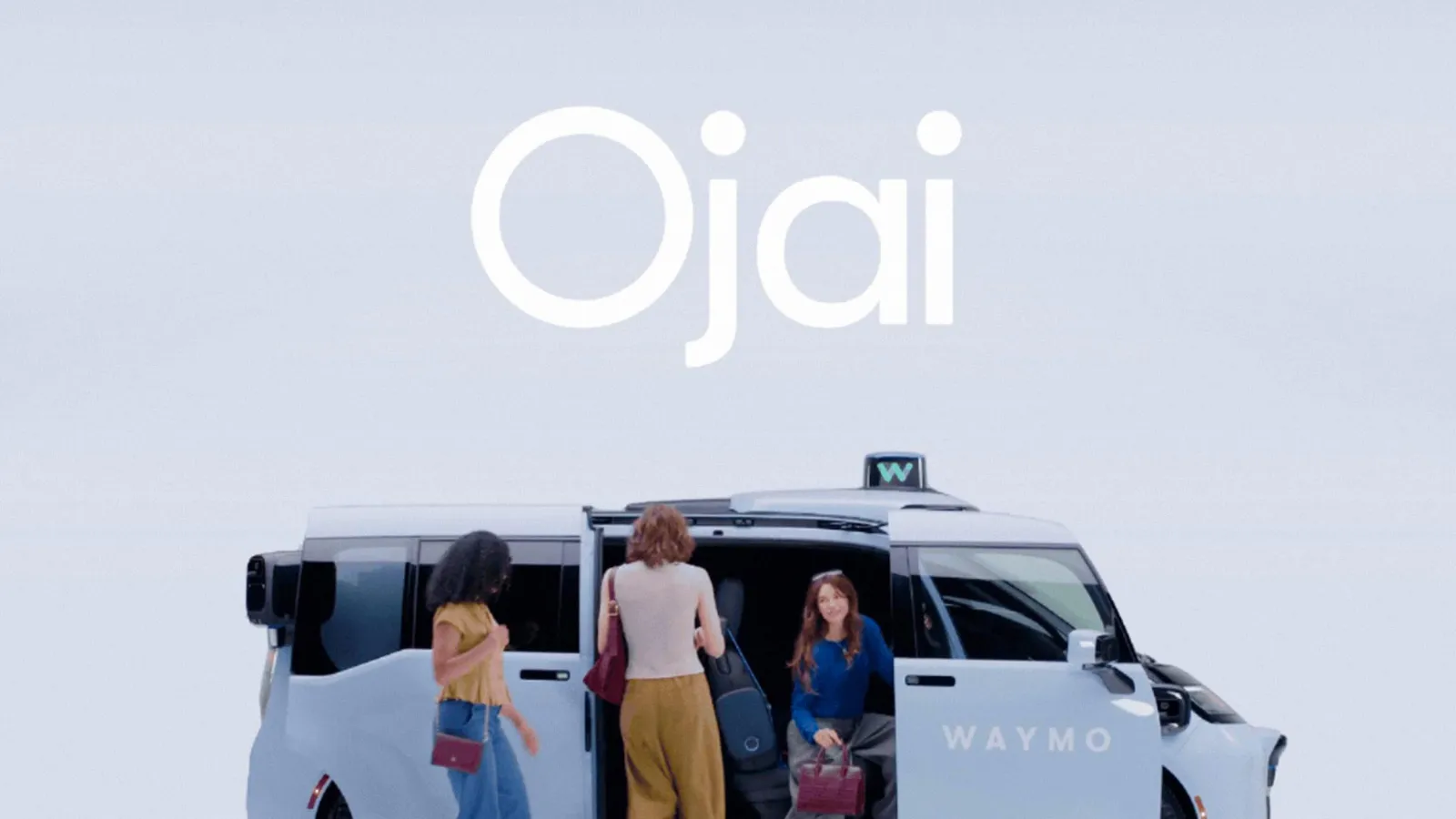
The new query comes as Waymo widens its service. It expanded its Los Angeles areaon November 3 and operates in 15 U.S. cities. Lyft plans to add Waymo’s Ojai robotaxis in Nashville by year-end, and Waymo has picked the Toyota bZ4X for Japan and the UK, with tests from 2027.
NHTSA did not say how it arrived at the 2,895 vehicles covered by the query, fewer than the 3,067 in the original recall.
The case-by-case defect work runs alongside a broader effort. NHTSA signed a deal with SAE International in September to write the first federal robotaxi performance standard.