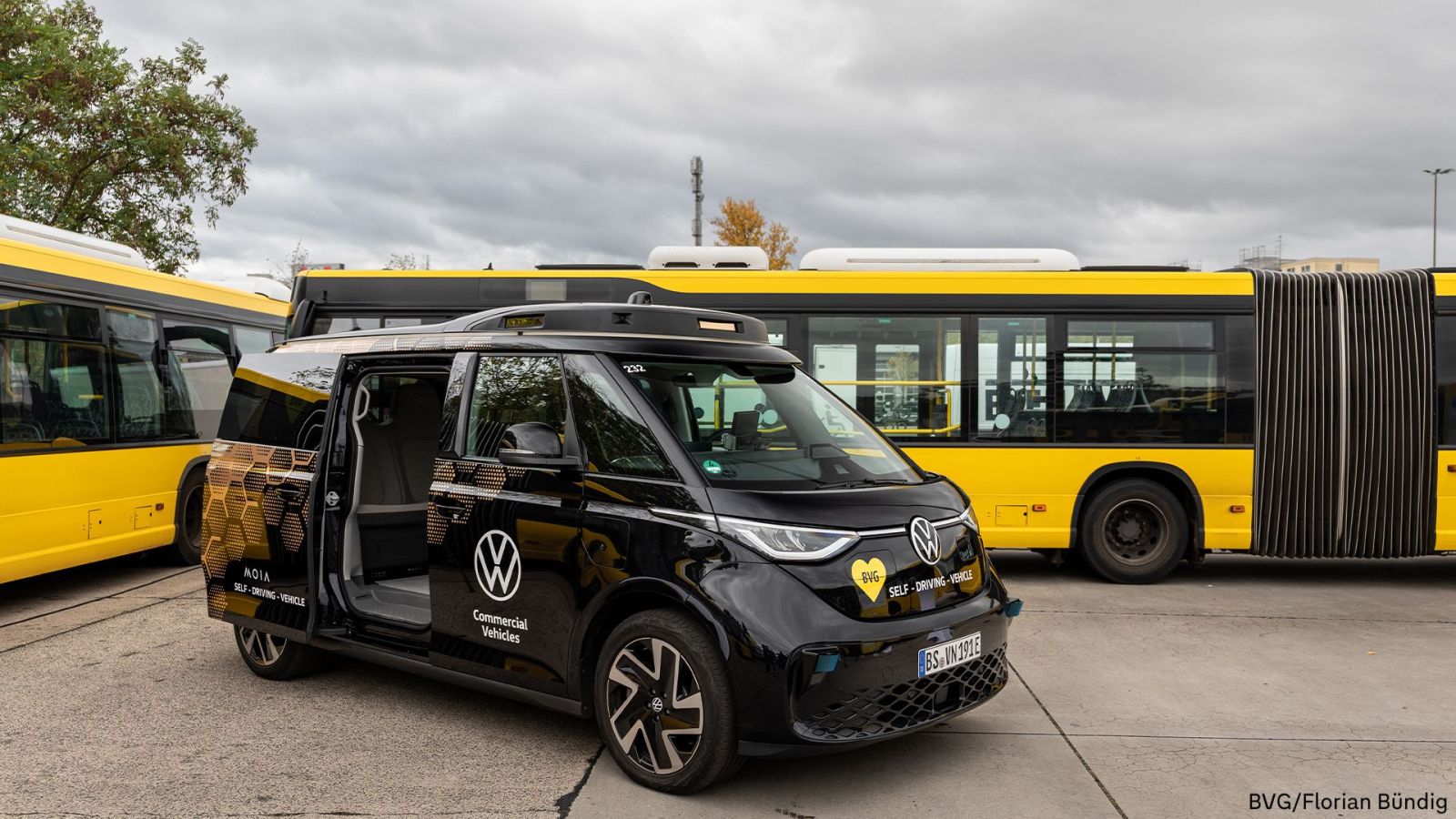

Uber and Lyft have both abandoned talks to take a stake in Volkswagen’s autonomous driving unit, ending the German carmaker’s first attempt to find outside investors for its robotaxi programme, Manager Magazin reported on Wednesday.
The two American companies were the last remaining bidders, the magazine said, citing several people involved.
Volkswagen had been seeking a minority investor in ADMT, the division that houses its Moia ride service, since last year. Manager Magazin reported in July 2025, when it first disclosed the search, that Chief Executive Oliver Blume’s condition was that the group retain control of the unit.
Asked about the outcome, the company’s leadership would say only that it was examining all options, according to the report.
What Volkswagen Wanted
The talks broke down over who would fund the next stage, Manager Magazin said.
Volkswagen has put about 2 billion euros into the programme. It wanted the incoming partners to make good that spending progressively before it committed significant new money of its own. The platforms wanted Volkswagen to keep investing alongside them.
Brand executives at Volkswagen and Audi would not agree to further group funding, the magazine reported. Both are running cost-reduction programmes and have become reluctant to back peripheral businesses.
The two sides also disagreed on whether the platforms would pay per kilometre or per vehicle, how long they would be tied to Volkswagen vehicles, and which model they would use.
The unit would need at least another billion euros to reach commercial readiness, and a withdrawal would risk a writedown running into the billions, according to the report.
Moia has been loss-making since it was created in 2016 under Matthias Müller, two chief executives before Blume.
A New Idea
The idea now circulating inside Volkswagen is to find a technology partner other than Mobileye, the Intel subsidiary that supplies the self-driving system for the autonomous ID. Buzz, and for that partner to take a stake in the unit, Manager Magazin said.
The favourites are the British artificial intelligence company Wayve and Nvidia, with Qualcomm having been discussed at one point. Blume began running shadow-mode tests with Wayve about a year ago.
Those are the same names Volkswagen’s software subsidiary Cariad is pursuing after ending its automated driving alliance with Bosch in June. Whether one company would take on both roles has not been decided.
The Distance From the Pitch
Volkswagen presented the ID. Buzz AD as a finished product at an event in Hamburg in June 2025, offering the vehicle, fleet management, sensors and software as a single package to cities and fleet operators.
“Hamburg is our starting point,” Blume said then. “Beginning in 2026, we will bring sustainable, autonomous mobility to large-scale deployment in Europe and the US.”
In mid-July this year, Moia chief executive Sascha Meyer described the start of passenger testing in Hamburg as a milestone, saying it showed how autonomous mobility was reaching broad application step by step.
The Hamburg service runs with safety drivers and carries pre-registered residents. Volkswagen is targeting driverless approval in Europe in 2027.
In Los Angeles, Moia America is testing with Uber using a small fleet, also with safety operators aboard. A commercial service there had been planned for late 2026, a timetable that now looks uncertain.
The Competitive Picture
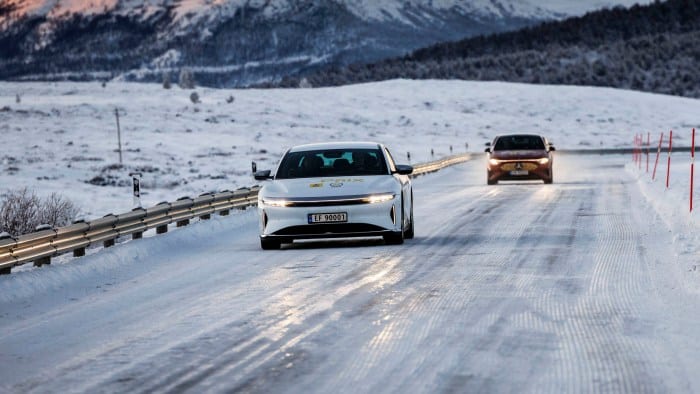
Uber ordered at least 20,000 robotaxis from Lucid in July 2025, three months after signing its partnership with Volkswagen, making Volkswagen one vehicle supplier on a multi-manufacturer platform rather than an exclusive system partner.
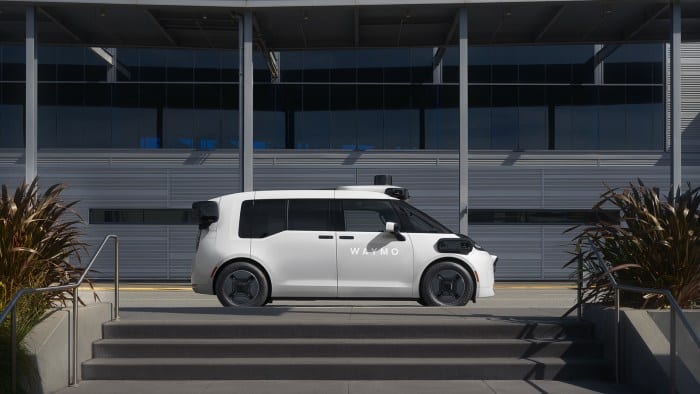
Waymo, meanwhile, is preparing to enter Germany in late 2027, starting with the Bavarian capital of Munich. On the same day the Manager Magazin report appeared, Allianz agreed to insure Waymo’s robotaxis in Europe.