
Tesla sold 10,300 vehicles in China between April 21 and 27, marking a 51.5% jump from the previous week and the strongest week in the second quarter.
The company’s sales in the country have been recovering after the first weeks of the quarter were focused on exports from its Shanghai plant.
After the first four weeks of the second quarter of the year, Tesla registrations in China are 25.3% lower than in the first quarter and down 6.9% year over year.
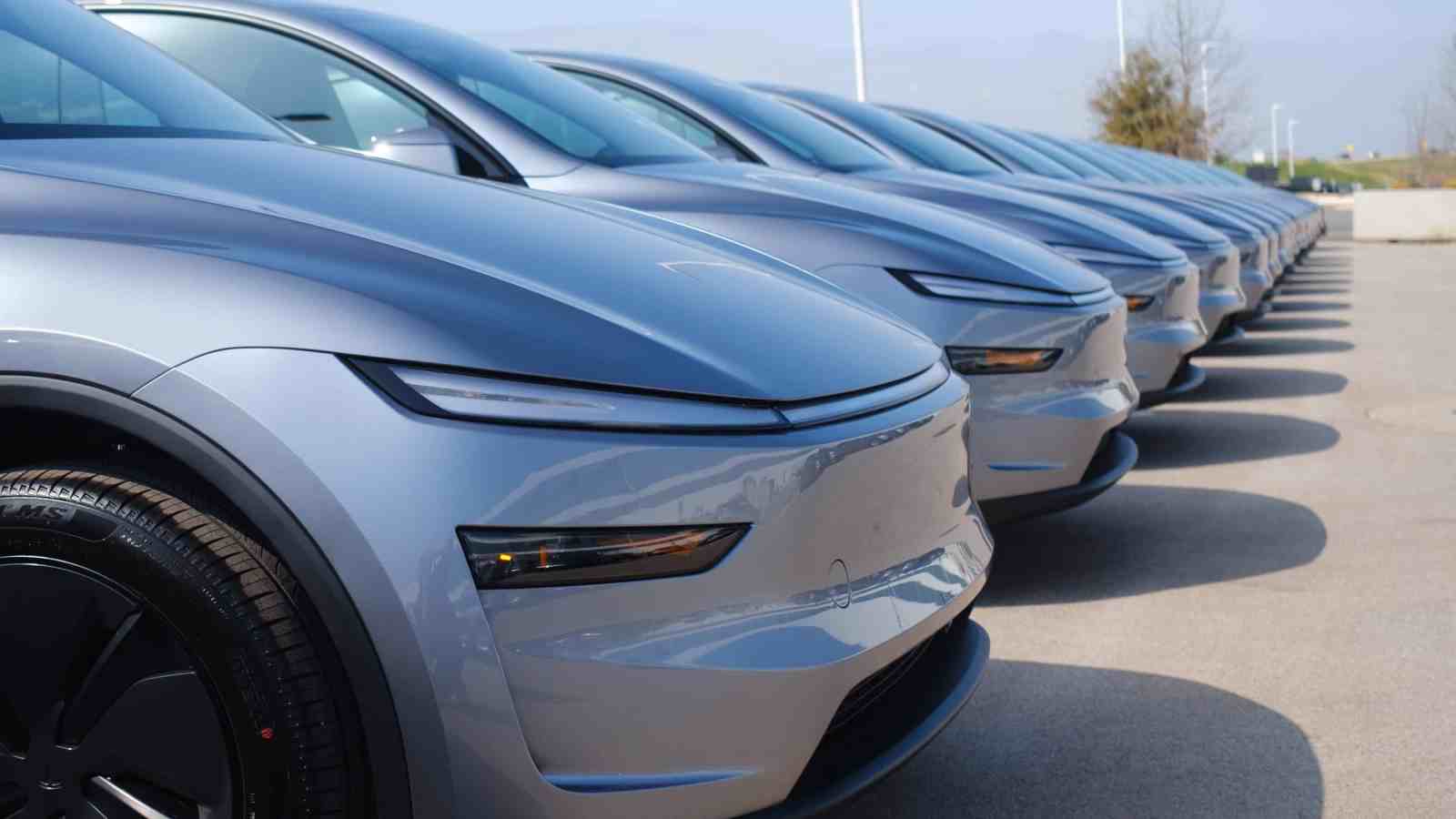
Out of the 10,300 vehicles registered, 7,100 were refreshed Model Ys — which start at 263,500 yuan ($36,100) — accounting for nearly 70% of the total.
Although the company only started mass producing the 2025 version in mid-February, it became China’s best-selling car in March.
The SUV’s sales surged 77% sequentially, showing that production is now ramping up for domestic sales. Model 3, on the other hand, represented a modest increase of 15% from the third week of April.
The U.S. EV maker recorded 3,200 sedans, less than half of rival Xiaomi SU7’s sales of 7,000 units — which is priced 8% lower at 215,900 yuan ($29,600).
Tesla‘s revamped Model 3 launched in China in October 2023, with it’s entry-level version currently starting at 235,500 yuan ($32,300).
Competitors
While the U.S. brand’s registrations surged from below 7,000 units in the previous week, its Chinese rival XPeng sold 7,200 vehicles from April 20 to 27.
BYD, the world’s best-selling new energy vehicle brand, listed over 62,000 fully electric and hybrid vehicles last week. Year to date, the company sold 840,500 cars. Tesla followed with 159,600 battery electric vehicles.
Incentives + Tariffs
Earlier this month, Donald Trump imposed a 25% tariff on all imported vehicles and auto parts, along with a 54% tariff specifically on imports from China.
Both countries escalated their trade measures, and the U.S. now imposes a total rate of 245% on Chinese goods, while China has increased its duties on U.S. imports to 125%.
As uncertainty over tariffs impact hit, Tesla halted sales of its Model S and Model X in China two weeks ago, as the models are not produced domestically becoming highly exposed to the new duties.
Last week, Tesla China announced on Weibo it launched incentives for costumers. Besides “special charging benefits for 1,299 yuan [$200],” Model Y buyers would get “5 years of 0% interest” and Model 3 buyers were offered a “8,000 yuan [$1,100] insurance subsidy.”
Tesla Q1 Earnings
Last week, Tesla published its first quarter earnings results, revealing a 15% drop to $3.15 billion in gross profit and a 20% fall on automotive revenue to $13.97 billion.
The company delivered 336,681 vehicles worldwide in the first three months of the year, 11% below Wall Street’s target of 337,000 units.
The company reiterated its plans for new vehicles in its quarterly shareholder deck, which “remain on track for the start of production in the first half of 2025.”
That includes “more affordable vehicles,” but also the launch of the brand’s robotaxi in Austin, which Elon Musk had promised for June.
The chief executive said that the autonomous rides will begin with “maybe 10 to 20” Model Ys (not Cybercabs) “on day one.”
This week, the brand started deliveries of the refreshed Model Y in South Korea. In Hong Kong, the company expects to begin deliveries of the model in “May-June,” according to what its local staff told EV.
Tesla is currently trading nearly 1% lower at $283.70 on Tuesday’s pre-market session. The stock jumped 41% in the last twelve months, however it lost 29% year to date.