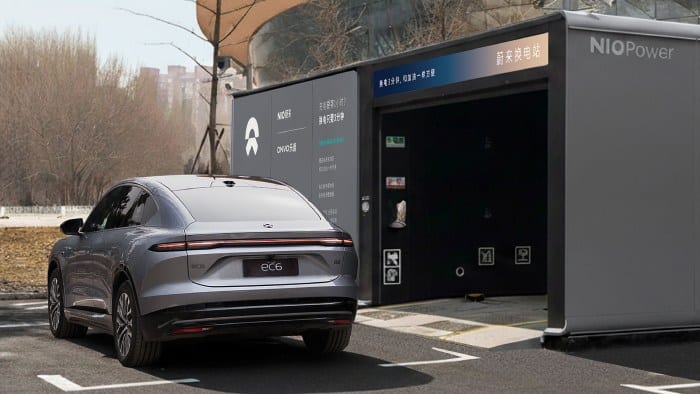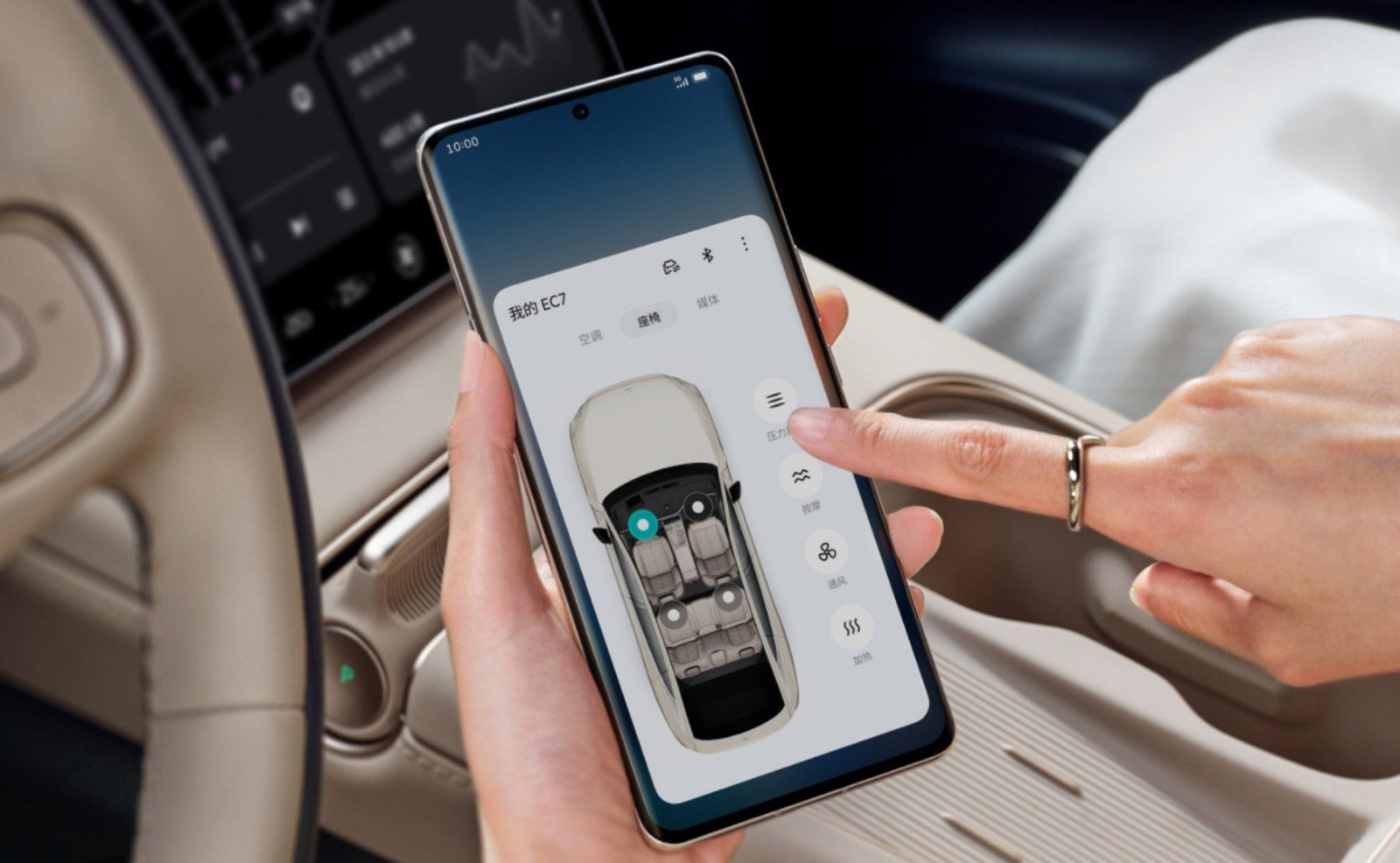

Nio owners across China were locked out of their cars on Monday after the company’s smartphone app crashed on iPhone devices, disabling the Bluetooth digital keys many drivers use to unlock their vehicles.
The failure hit the iOS version of the app, which crashed the moment it opened and could not reach the control screen, according to Jiemian News, citing a report by the City Scene program on Jiangxi Broadcasting.
The Android version kept working normally.
With the app down, the phone Bluetooth key that serves as a primary unlock method stopped responding, leaving owners beside cars that would not light up or sense their approach.
Locked Out
Large numbers of drivers called the company’s 400 customer line for help and were told to uninstall and reinstall the app, according to several local media outlets.
Complaints had piled up through the Monday evening on social platforms including Xiaohongshu, where owners traded screenshots of the crash and accounts of being stranded in car parks.
Some who had restarted their phones without success restored the unlock function by deleting and reloading the software, while others without a backup key were stranded outside their vehicles.
On Tuesday’s morning, a Nio customer-service agent told Jiemian News the company had “found the cause and is fixing it,” adding that a new version of the app was rolling out in batches and would clear the crashes once installed.
A Fix Pushed Overnight
Nio uploaded version 6.6.6 of its app to Apple’s App Store in the early hours of Tuesday.
The release notes described the update only as fixing “some known issues” and optimizing certain features, without naming the cause of the failure.
The company said the new build was reaching phones in stages and that owners should update once prompted.
The company has not disclosed what triggered the crash, how many owners were affected, or whether any compensation would follow.
When the Phone Is the Key
The episode exposed a vulnerability built into software-defined cars, where the smartphone has become the primary key.
Nio, like nearly all other EV makers, lets owners unlock and start their cars through the app and a paired Bluetooth link, with a physical NFC card offered as a backup that many drivers leave at home.
When the app failed, owners relying on their phones had no way in, turning a software bug into a lockout in car parks and driveways.
The lockout revived a recurring worry about digital keys, which lean on a chain of phone, app, Bluetooth and back-end servers that carries more points of failure than a metal blade.
Owners who reinstalled the app regained access, but the workaround required a working data connection and a steady moment to troubleshoot beside a locked car.
A Stumble Amid a Sales Surge
The company delivered 37,705 vehicles in May across its three brands, a 62.3% rise from a year earlier and its best month of 2026.
June figures are planned to be announced on Wednesday, July 1st.
Management has guided to second-quarter deliveries of 110,000 to 115,000 vehicles and is targeting full-year growth of 40% to 50% as the company chases its first full year of profit, after turning its first quarterly profit in late 2025.
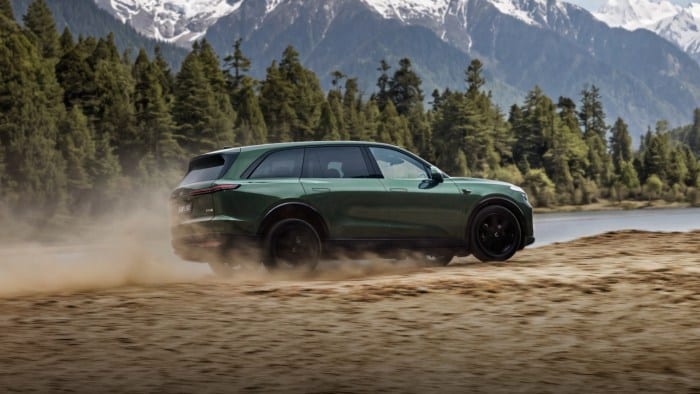
Much of that push rests on premium models such as the ES9, the flagship executive SUV launched on May 27, with which Nio is courting buyers from established luxury marques.
The model reached 10,000 deliveries in 30 days, with about 70% of early buyers new to the brand, many switching from luxury petrol cars, after registering 3,108 units in its first days on sale.
A Second Issue in the Same Week
The app outage was not the only consumer complaint Nio addressed this week.
An ES9 owner reported that the front bumper’s surface paint peeled away in sheets after close-range cleaning with a commercial high-pressure washer, exposing the material beneath and prompting online questions about the coating.
On Monday, the company’s official account said it took the matter seriously and had contacted the owner, defending the bumper’s supplier and its paint testing while cautioning that high-pressure equipment used beyond factory limits can cause irreversible damage.
Shrinking such a washer’s nozzle to within 200 millimeters of the surface can multiply its force several times over, the company said, with local pressure easily topping 100 bar.