Kia sold 120,360 battery-electric vehicles in South Korea this year through November 9, more than double a year earlier, as its electrified sales in the country passed 300,000 for the first time.
That is more than the 98,313 fully electric vehicles that Tesla, the country’s best-selling imported brand, registered from January to October, according to the Korea Automobile Importers and Distributors Association.
Combined electric and hybrid sales reached 300,048 units, up 41.9% from the same period of 2025, the company said in figures reported by Yonhap on Sunday.
Kia said no automaker, domestic or imported, had sold 300,000 electrified vehicles in South Korea in a single year before.
Electrified models made up 59.7% of the 502,286 vehicles Kia sold in the country over the period. Fully electric vehicles alone accounted for 24.0%, and hybrids for 35.8%.
In the last quarter of 2025, the electrified share was 42.3%.
Three Models Carry the EV Total
The EV3 compact SUV was Kia’s best-selling electric model in South Korea, with 30,455 units. The EV5 SUV followed with 28,971, and the PV5 electric van with 24,266, according to the company.
The three models together accounted for 83,692 units, or 69.5% of Kia’s domestic EV sales.
The Ray EV city car sold 11,056 units and the EV4 sedan 11,038, according to the company’s figures carried by Etoday. The Bongo EV light truck sold 3,491.
The six models accounted for 109,277 of the 120,360 EVs. Kia did not give figures for the EV6, the EV9 or its other electric models.
The PV5 is the first of Kia’s purpose-built vehicle line, which it plans to extend with the larger PV7, unveiled in September.
The PV5 sold 2,688 units in South Korea in October alone, according to Kia’s monthly sales report, where the company lists it as a purpose-built vehicle rather than a passenger car.
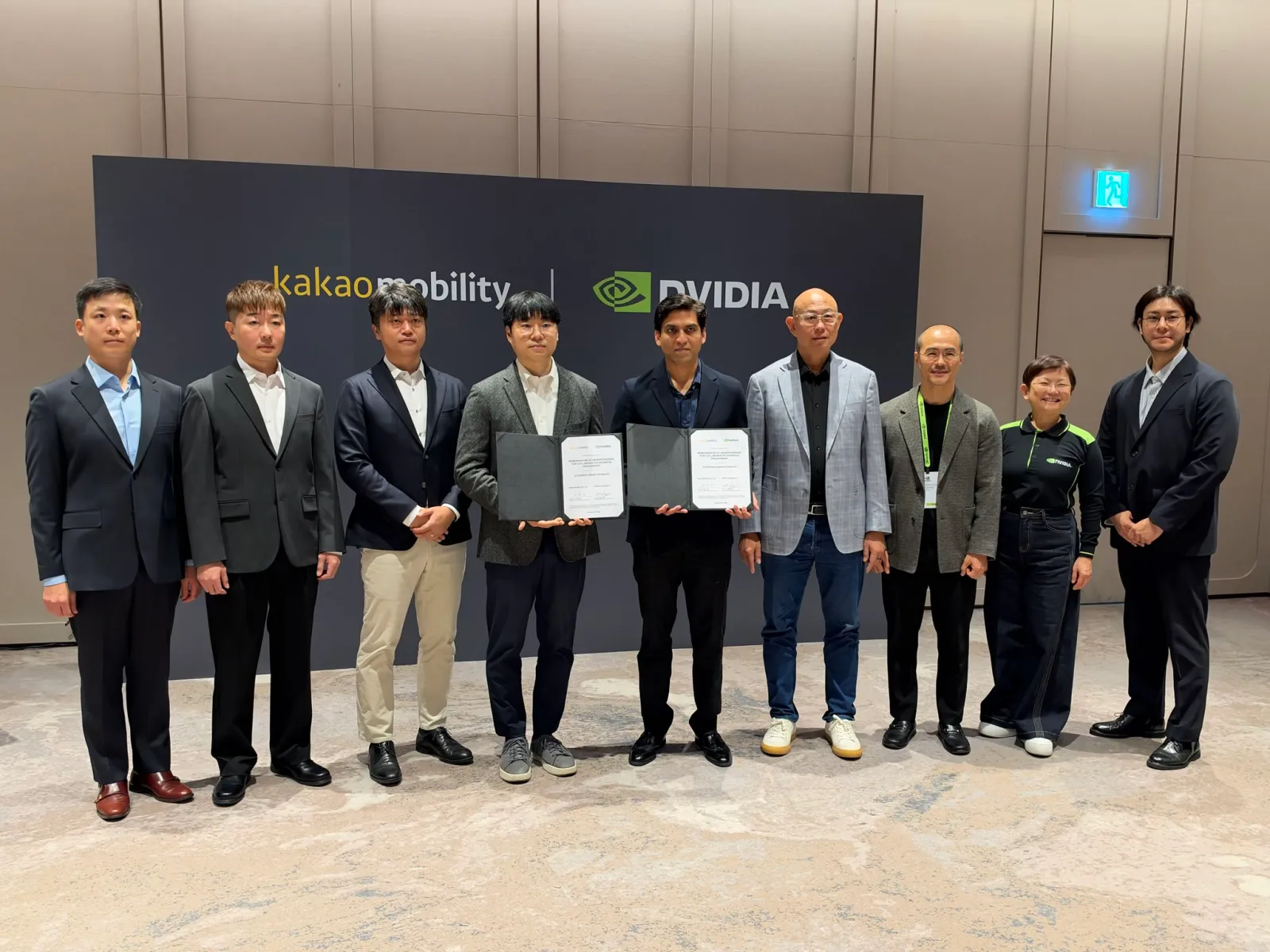
A version of the PV5 is also the base for Kakao Mobility’s Level 4 driving trials running on Nvidia hardware.
Passing 100k EVs in September
Kia passed 100,000 domestic EV sales on September 17, when its year-to-date total reached 100,118, up from 45,518 a year earlier, SBS Biz reported at the time.
It was the first time a single automaker had sold 100,000 EVs in South Korea within a year, according to Kia.
Kia added 20,242 more EVs in the roughly seven and a half weeks between September 17 and November 9, by EV‘s calculation from the two totals. That is an average of about 2,700 a week.
The EV3, EV5 and PV5 had sold 25,903, 23,591 and 20,030 units respectively by mid-September. The PV5 grew fastest over the period since, adding 4,236 units.
Kia ranked first in monthly domestic EV sales in every month from January to August, according to the same report.
Hybrids Make Up the Rest
Hybrid sales rose 16.9% to 179,688 units, the company said.
The Sorento SUV accounted for 70,176 of them, the first hybrid model to pass 70,000, according to JKN. The Carnival minivan followed with 46,056 and the Sportage with 19,264.
The three models made up about 75% of Kia’s domestic hybrid sales, with a combined 135,496 units, according to the company.
Kia’s electrified sales in South Korea first passed 100,000 in 2021, at 109,741, and 200,000 in 2024, at 222,085, according to the company. This year’s total is already about 35% above the 2024 figure, by EV‘s calculation.
Kia’s total domestic sales reached 487,308 through October, up 7.4% from a year earlier, according to its monthly sales report. October domestic sales rose 27.5% to 51,007.
Kia’s 502,286 domestic sales so far equal 89% of the 565,000 it targeted for 2026, with seven weeks of the year left. It sold 545,776 vehicles in South Korea in all of 2025.
A Record Year for Korean EVs
Kia’s growth is part of a wider jump in EV demand in South Korea.
New EV registrations reached 296,801 in the first nine months, up 74.8% from a year earlier and 24.0% of all new vehicles, according to Korea Automobile and Mobility Association data reported by the Seoul Economic Daily.
Hybrid registrations, including mild hybrids, fell 3.9% to 421,199 over the same period, the first January-to-September decline since the association began compiling fuel-type data in 2013.
In October, domestic EV sales rose 81.4% to 34,858, the Ministry of Trade, Industry and Energy said on Monday.
Kia was the only domestic automaker to grow its home sales that month, with 51,110 units by the ministry’s count, ahead of Hyundai‘s 49,042, according to the same data.
Competition From Imports
Tesla registered 98,313 vehicles in the country from January to October, up 105.0%, the association said.
Tesla registered 9,165 vehicles in October, more than double a year earlier but down 25.9% from September, which Yonhap attributed to supply shortages.
Every Tesla sold in South Korea is electric. Its total covers a shorter period than Kia’s and leaves it within reach of 100,000 for the year.
Tesla registered 89,148 vehicles in the first nine months, up 104.4%, by the importers’ association count.
Kia was ahead then too. It passed 100,000 EVs on September 17, while Tesla had registered 89,148 by the end of that month.
Imported EV registrations rose 108.4% in October to 14,424 and outsold imported hybrids that month, according to the association.
BYD registered 21,731 vehicles over the same 10 months, up 473.2%.
Imported EV registrations reached 147,006 through October, up 100.6%, and made up 47.3% of all imported vehicles sold in the country.
Subsidies Held Steady
The government held per-vehicle EV subsidy rates for 2026 at 2025 levels, ending a run of annual cuts, the Ministry of Climate, Energy and Environment said in late December.
It added a conversion payment of up to 1 million won ($700) for buyers who scrap or sell a gasoline or diesel car at least three years old and switch to an EV. Hybrids are excluded.
That raised the maximum national subsidy for a midsize electric car to 6.8 million won ($5,100) from 5.8 million won ($4,300).
Purchase Support and New Models
Kia said the growth reflected its expansion of electrified models across sizes and into commercial vehicles, according to JKN.
The company has offered financing to lower the cost of buying an EV, piloted a vehicle diagnostic service, improved its grading of used EVs and expanded trade-in benefits, the report said.
“We will continue to broaden the benefits customers feel across the entire process of purchase, ownership and replacement, and expand our new lineup to solidify our leadership in domestic electrified vehicles,” a Kia official said, according to the company’s statement.
The official was not named.
At its Investor Day in April, Kia set a target of selling 1 million EVs a year worldwide by 2030, across 14 electric models. Kia sold 238,000 EVs worldwide in 2025. It plans to launch the PV7 in 2027 and the PV9 in 2029.
The company set a target of 230,000 purpose-built vehicle sales a year by 2030 and said it expected about 54,000 this year. South Korea and Europe are its core markets for those vans, according to the Herald Business report on the event.