
EV stocks joined a broad Wall Street rally on Thursday after President Donald Trump said he canceled military strikes on Iran scheduled for the evening.
The announcement lifted a market that had spent days under pressure from the conflict, the president’s rapid-fire commentary on it, and liquidity concerns ahead of SpaceX’s initial public offering on Friday.
Tesla rose more than 3% to $393.68 in afternoon trading in New York, while other EV stocks such as Rivian gained 4.4% to $15.42 and Lucid added 4% to $4.95.
The Dow Jones Industrial Average added 712 points, a gain of 1.5%, while the S&P 500 rose 1.1% and the Nasdaq Composite climbed 1.5% as semiconductor shares recovered.
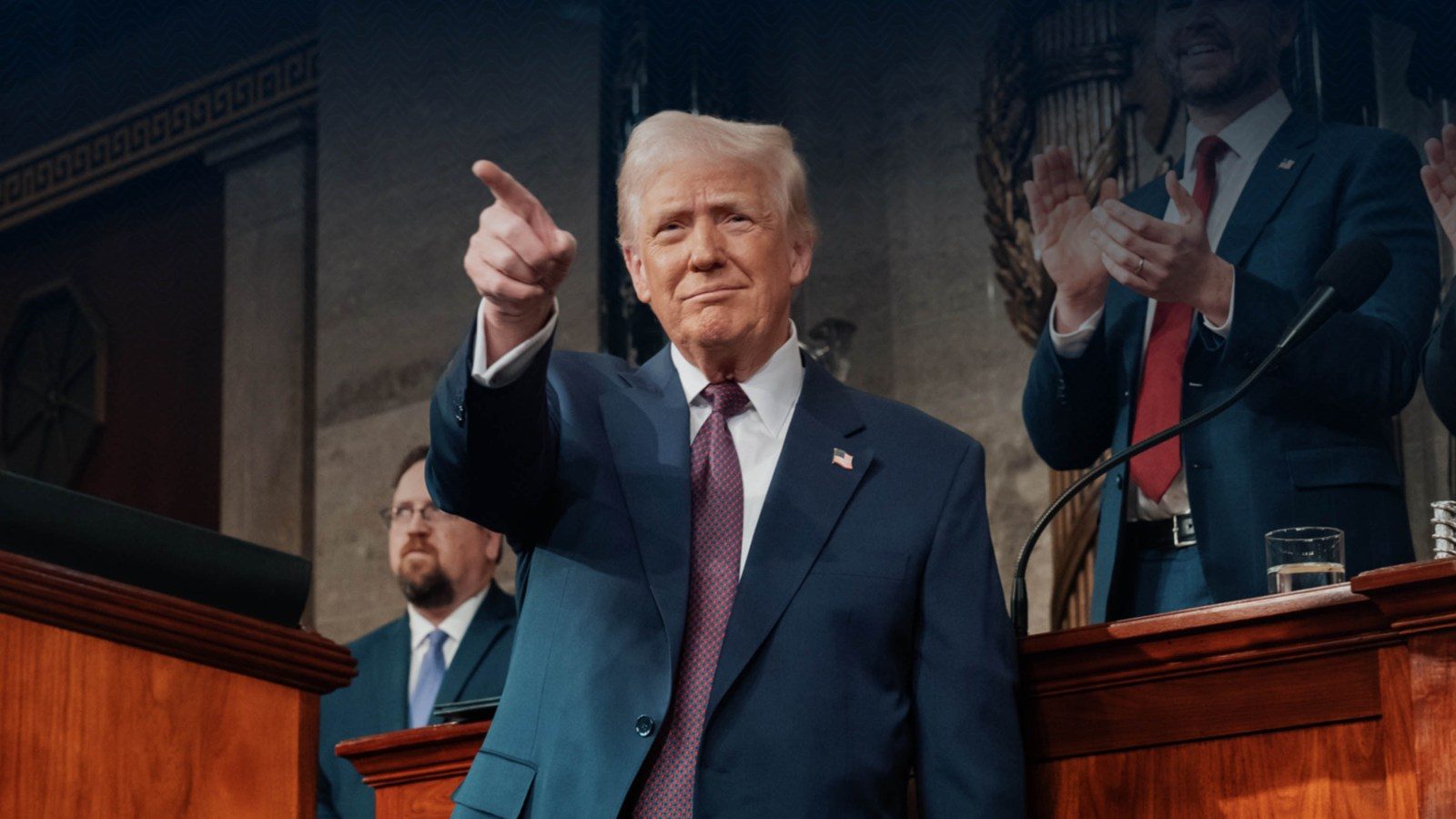
“Based on the fact that discussions with the Islamic Republic of Iran have been brought to the highest level of Iranian leadership and approved, I have, as President of the United States of America, cancelled the scheduled strikes and bombings against Iran this evening,” Trump wrote in a Truth Social post.
The post landed hours before the strikes were due, and the relief was immediate and broad — though the blockade language and the unspecified signing date left the de-escalation conditional rather than complete.
“Discussions and final points have been, in both concept and great detail, approved by all parties involved, including the United States, Israel, Saudi Arabia, UAE, Qatar, Turkey, Pakistan, Bahrain, Kuwait, Jordan, Egypt, and others,” the president continued. “The Naval Blockade will remain in full force and effect until this Transaction is finalized — Time and place of the signing to be announced shortly.”
Crude had moved the other way hours earlier, climbing after Trump warned in a separate Truth Social post that the US would be attacking Iran “VERY HARD TONIGHT” — adding: “At some point in the not too distant future, we will be taking Kharg Island, and other oil infrastructure points, and assume total control of their Oil and Gas Markets.”
Wednesday’s session had gone in the opposite direction for equities, with semiconductor shares selling off sharply once again as the standoff with Tehran escalated.
Thursday’s rebound caps a stretch in which equities have traded almost session by session on the president’s social media posts about the confrontation with Tehran.
Escalating rhetoric, strike preparations and shifting deadlines have kept risk assets on the defensive, with high-beta names — EV makers among them — absorbing outsized swings in both directions as headlines crossed.
SpaceX IPO Looms
SpaceX’s initial public offering is set to take place on Friday, June 12 — one of the most anticipated market debuts in years, and an event traders have flagged as a drain on liquidity as investors free up cash to participate.
The anticipation has added a mechanical headwind beneath the headline-driven swings, with money rotating toward the listing at the expense of positions elsewhere in growth and technology names.
For Tesla, the listing carries a dimension beyond liquidity: chief executive Elon Musk leads both companies while a merger is expected by some analysts in 2027.
EV Movers
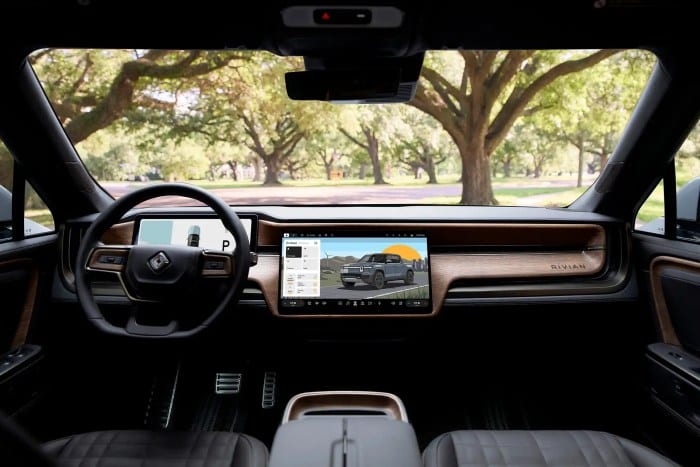
Rivian‘s 4.4% gain comes after a bruising stretch for the stock, which sold off following the R2’s order launch on June 9 as investors balked at lease pricing and missing features on the long-awaited mid-size SUV — a launch the company had staked its volume story on.
A Rivian spokesperson told EV on Thursday that customer deliveries of the R2 started June 9, with the first vehicles reaching buyers as reservation holders from 2024 continue to await order invitations.
Lucid‘s 4% advance follows a record closing low of $4.70 on Wednesday — equivalent to $0.47 before the company’s reverse stock split — which left its market capitalization below one-fifth of the cumulative investment by Saudi Arabia’s Public Investment Fund.
The stock has been weighed down by a deepening executive exodus, including the exit of its engineering and software chief in the first departure under the new CEO, announced the same day as the head of integrated marketing’s move to a video game publisher.
A federal securities class action over the 29-day trading halt that preceded the Gravity-related disclosures adds a legal overhang to the operational one, as new Chief Executive Officer Marcus Napoli has signaled “further actions soon” on costs.
Detroit carmakers joined the move, with Stellantis rising 3.3% to $6.79 as of press time and Ford up nearly 2%.
Chip names rebounded alongside the EV complex, reversing recent weakness in a sector whose supply chains and data-center demand sit at the center of both the AI trade and automotive electronics.
Pressure Has Been Global
The conflict-and-liquidity squeeze has not been confined to New York.
Chinese auto stocks traded lower last week after the US added BYD, Nio and a group of LiDAR makers and suppliers to the Pentagon’s list of companies it says work with China’s military — a designation that carries no immediate sanctions but has historically chilled US institutional ownership.
The pressure carried into this week in Hong Kong, where several Chinese carmakers touched 52-week lows in Tuesday’s selloff as risk aversion swept Asian trading.
Fuel Prices Cut Both Ways
Yet the same conflict premium that has pressured equities is reshaping the demand math underneath them: every threat to Gulf supply that lifts crude also widens the running-cost gap between combustion cars and EVs at the pump.
Fuel prices have already climbed this year, and the prospect of strikes on Iranian export infrastructure — Kharg Island handles the bulk of the country’s crude shipments — has kept a supply-risk premium in the barrel even through Thursday’s de-escalation.
Fuel-price spikes have been accelerating EV consideration among buyers for whom the upfront premium was the obstacle, and the current run-up lands just as entry prices fall — with Onvo‘s new L60 launching Thursday below its predecessor’s price and Rivian‘s R2 opening the brand’s mid-size segment push.