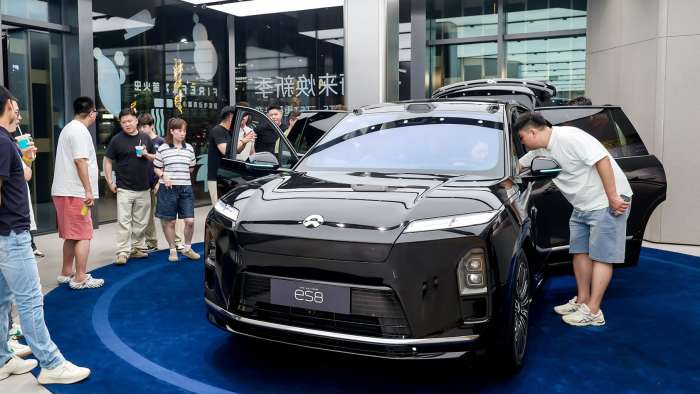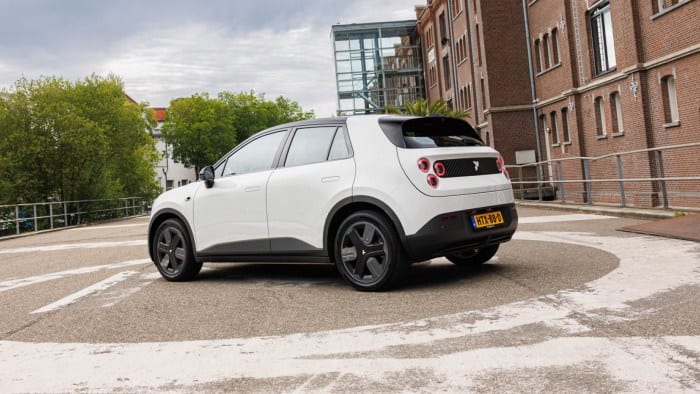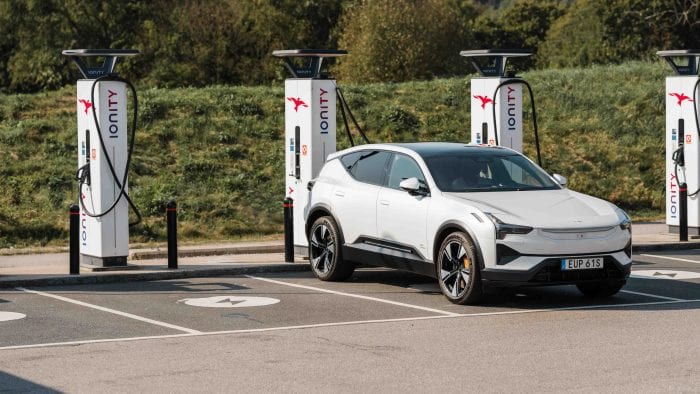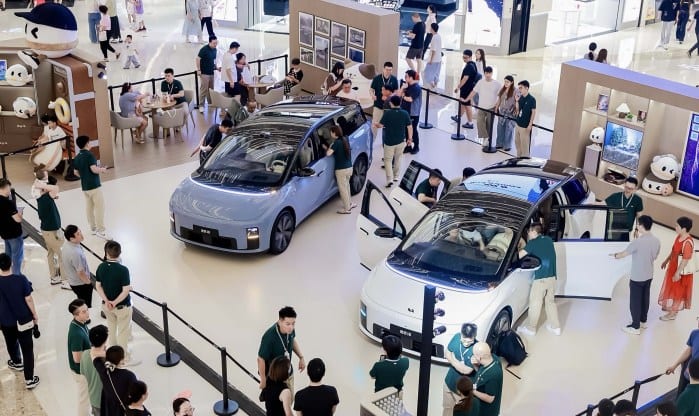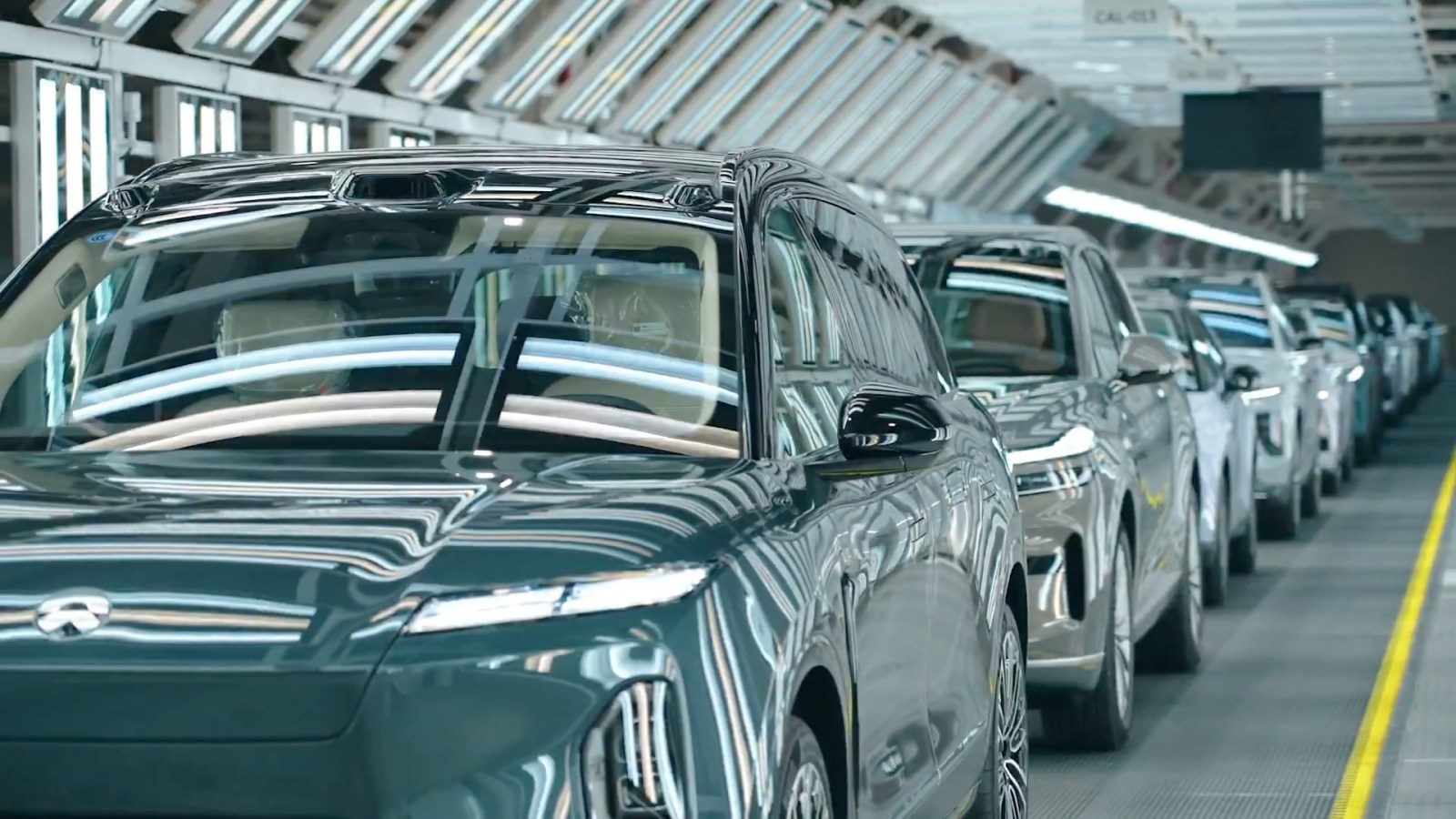

China’s industry ministry spent Thursday and Friday inside three of Anhui province’s automakers, Chery, Nio‘s manufacturing entity and JAC Group.
The Ministry of Industry and Information Technology (MIIT) pulled sample vehicles and power batteries from production for third-party testing against national standards, in the second provincial cluster of factory inspections in a week.
MIIT said the unannounced-style supervisory checks, conducted by its Equipment Industry Division I on Thursday and Friday.
The Minister examined whether the three companies continue to meet the conditions of their production-access approvals, including their intelligent connected vehicle safety-assurance capability, design, development and manufacturing capability, and their ability to keep production consistent with what was certified.
Samples go to accredited institutions for conformity testing, and consequences, where they come, arrive later — running from correction orders up to suspension or revocation of the production access on which every carmaker’s right to build vehicles in China rests.
As of publication time, Nio‘s US-listed shares were trading 1% higher during Friday’s pre-market session at $4.89.
A New Target: “Radical” Design
The statement’s most consequential line looks forward rather than back. The ministry said it will, together with other departments, strengthen access review and testing verification for what it called — in its own quotation marks — “radical” innovative designs in automotive products, while urging manufacturers to investigate hidden safety risks and to “regulate marketing and promotional conduct.”
The scare-quoted phrase signals that approval-stage scrutiny is coming for the aggressive design choices that have defined China’s smart-EV race.
The marketing language revives the campaign begun in April 2025, when the ministry summoned around 60 automakers after a fatal highway crash and banned terms such as “autonomous driving” and “smart driving” from promotional material.
After Guangdong, Anhui
The Anhui round follows the same protocol the division applied on 24 July in Guangdong, where it inspected GAC Aion in Guangzhou and XPeng‘s manufacturing entity in Zhaoqing — a sequence Chinese financial media has already summarized as “after Guangdong, Anhui.”
The July 24 statement pledged continuing inspections of car and motorcycle makers, with firms found to have problems “seriously dealt with.”
The Guangdong visit carried unspoken context.
Six days earlier, GAC Aion had publicly apologized over reported battery faults in AION S models fitted with CALB 177Ah lithium-iron-phosphate cells — failures Chinese media reports describe as batch-level swelling, leakage and insulation defects affecting an estimated 210,000 vehicles, most of them ride-hailing cars and taxis — and extended warranties for affected owners.
The Standard Behind the Sampling
The battery sampling lands one month into GB38031-2025, the mandatory power-battery safety standard that took effect on 1 July and is widely described as the strictest in the world.
It requires that a pack neither catch fire nor explode for two hours after thermal runaway, that no smoke enter the cabin within five minutes of an alarm, that the pack survive three 150-joule bottom impacts from a 30-millimeter steel ball, and that it remain safe after 300 fast-charging cycles.
New type approvals must comply now; models already on sale have until 1 July 2027.
Chery positioned itself for exactly this moment.
On the first day of July, it launched a lifetime battery-and-motor warranty for original owners of models carrying its Rhino packs across the Chery, EXEED, JETOUR and iCAR brands, framed explicitly as a response to the new standard.
Both Halves of an Old Arrangement
For Nio, the inspected company — Nio Automobile Technology (Anhui) Co. — is the Hefei entity holding the manufacturing qualification the company acquired from JAC in late 2023, ending the contract-manufacturing arrangement under which JAC had built every Nio since 2018.
The three companies visited are also partners beyond geography: in January they signed a framework to co-build an automotive innovation platform, reuniting Nio with its former manufacturing partner alongside Anhui’s largest automaker.
Nio is separately one of nine consortia admitted to the ministry’s Level 3 autonomy access pilot in 2024.
Both ministry statements open with the same purpose clause: regulating “the competitive order of the automobile industry” — the language of Beijing’s campaign against destructive price competition.