
Tesla’s Robotaxi network interest form has drawn tens of thousands of submissions since going live last week, the company’s Vehicle and Robotaxi Engineering Leader Eric Earley said on X late on Tuesday, in a post that was removed early Wednesday.
“We have had 10s of thousands of submissions via the webform and so the team is actively working through these,” Earley wrote in response to a user asking who at Tesla handles infrastructure, mobility and large-scale fleet partnerships in South Carolina and Georgia.
Earley added that aligning opportunities with near- and mid-term plans would take time, but encouraged interested parties to complete the form as “the best way to engage with the team in an organized and efficient way.”
The post, which had 263,000 views, was deleted or restricted shortly afterwards.
Sawyer Merritt, a Tesla investor and content creator, quoted it six minutes after it went up with the line “Tesla has revealed that tens of thousands of people filled out their Cybercab fleet vehicle purchasing interest form in the last 5 days,” and his quote-post now shows the original as unavailable.
Earley’s profile remains public. Neither he nor Tesla has commented on the removal, and Tesla has not confirmed the figure through any company channel.
The disclosure marks the first public indication of how much commercial interest the form has generated since Tesla published it on September 3, the same day the company held a private Cybercab launch event at ACL Live in downtown Austin.
It is also the first figure of any kind Tesla personnel have attached to demand for the Cybercab as a vehicle sold to others rather than operated by Tesla.
What the Form Asks
Tesla titled the page “Help Us Build Our Robotaxi Network” and hosted it at tesla.com/robotaxi/interest.
Companies select from four categories: Cybercab fleet vehicle purchasing, mobility hubs and infrastructure, event collaboration and other.
A deployment region field and a free-text box for additional details round out the submission.
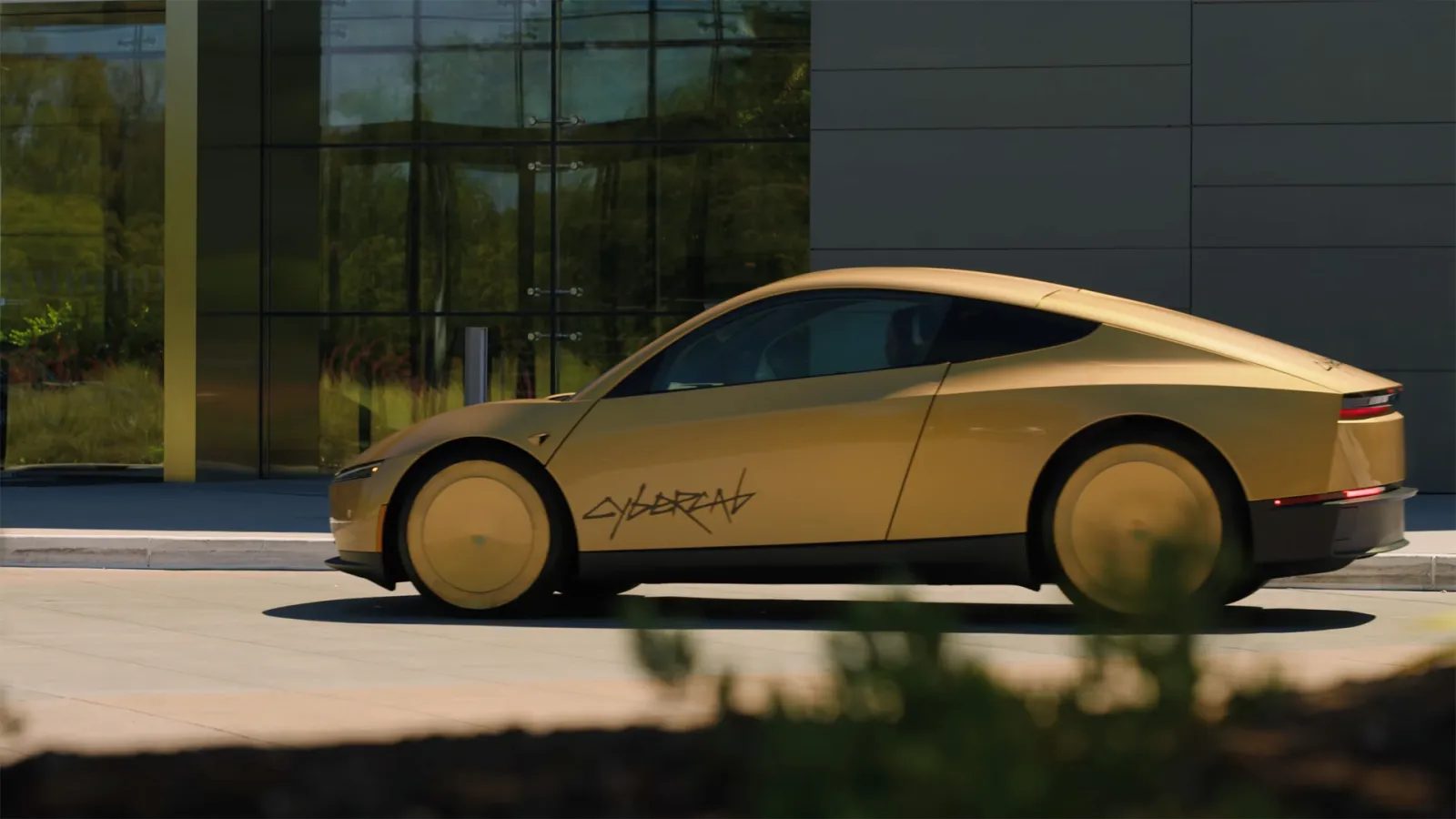
The form represents the first public-facing channel Tesla has opened specifically for Cybercab fleet purchases.
No pricing, operating requirements, ownership terms or formal third-party partnership details have been disclosed.
Tesla has not said whether it will sell the vehicle to outside operators at all, and the form’s own wording is an invitation to “help build” the network rather than an offer to sell.
The form’s language states that a representative will contact submitters about fleet or individual Cybercab purchases for commercial purposes.
The approach signals a shift from the company’s earlier framing, which centred on individual Tesla owners adding personal vehicles to a shared ride-hailing network — a vision CEO Elon Musk first pitched in 2019.
The current form is aimed at fleet buyers and business partners.
Cybercab Chief Engineer
Earley carries the title of Vehicle and Robotaxi Engineering Leader and Principal Engineer at Tesla, overseeing Cybercab engineering, the Robotaxi programme, development and operations.
His LinkedIn profile lists him as Principal Mechanical Design Engineer and Cybercab Chief Engineer since September 2022, a role that also covers autonomous vehicle product design and engineering management.
His tenure at Tesla spans over a decade.
Earley was among the executives who presented at the invite-only Cybercab launch event on September 3, alongside Tesla AI and Software lead Ashok Elluswamy.
About 250 Tesla employees attended the event, which ran without an official livestream or an in-person appearance from Musk.
Earlier this summer, Earley logged more than 50 Cybercab rides in the first days of the employee ride programme at Giga Texas, posting on X that he “never wanted to get out of it at the end of the ride.”
Nevada regulators cleared Tesla for up to 5,000 robotaxis in Clark County on August 20.
Earley, identified in regulatory filings as the Cybercab chief engineer, told Nevada officials the company expects to field around 2,500 vehicles in the state within the year.
Recent Cybercab Developments
Public Cybercab rides in Austin began on September 4, the day after the launch event, with 45 of the purpose-built two-seaters registered in Texas as part of a broader autonomous fleet of about 420 vehicles.
Tesla’s Robotaxi fleet had reached 1 million unsupervised autonomous miles by the time of the launch, a sharp increase from 380,000 miles disclosed at the Q2 earnings call on July 22.
In the first days of public service, riders surfaced a concealed charging port and the absence of an onboard AC charger, meaning the vehicle cannot be plugged into a standard home outlet and depends entirely on Tesla’s Supercharger network.
On two occasions, the manual-drive joystick interface meant for technicians appeared on the cabin screen during rides.
Drone footage published Tuesday showed Cybercabs now rolling off the Giga Texas production line with Starlink V5 satellite terminals fitted at the factory, a shift from earlier units that lacked the hardware.
Tesla has not confirmed whether the terminals are active; riders at the September 3 event reported no available Starlink connection.
Musk said on X on Tuesday that the Cybercab would arrive in Europe “hopefully soon,” though Tesla has announced no European launch date, city or approval route.
On the April earnings call, Musk deferred the question, saying the timeline was “at the mercy of the regulators.”
Tesla shares had surged over 7% on the day of the Austin event but fell the following day after NHTSA opened an audit into nearly 1,000 Cybercabs, examining how Tesla self-certified the vehicle under federal safety standards despite lacking a steering wheel, pedals and conventional mirrors.
Fleet and Production Context
Production of the Cybercab began at Giga Texas on February 17, about six weeks ahead of the April target Musk had outlined at Tesla’s 2025 annual shareholder meeting.
Tesla’s Q2 2026 shareholder deck listed installed annual Cybercab production capacity above 125,000 units.
Tesla has said it is intentionally holding back additions of Model Y vehicles to the Robotaxi fleet as it prepares to scale the Cybercab.
JPMorgan said after meeting Tesla’s Investor Relations team that the Cybercab is only the first purpose-built Robotaxi form factor, with additional vehicle types planned, including the Robovan.