
Written by Cláudio Afonso | LinkedIn | X
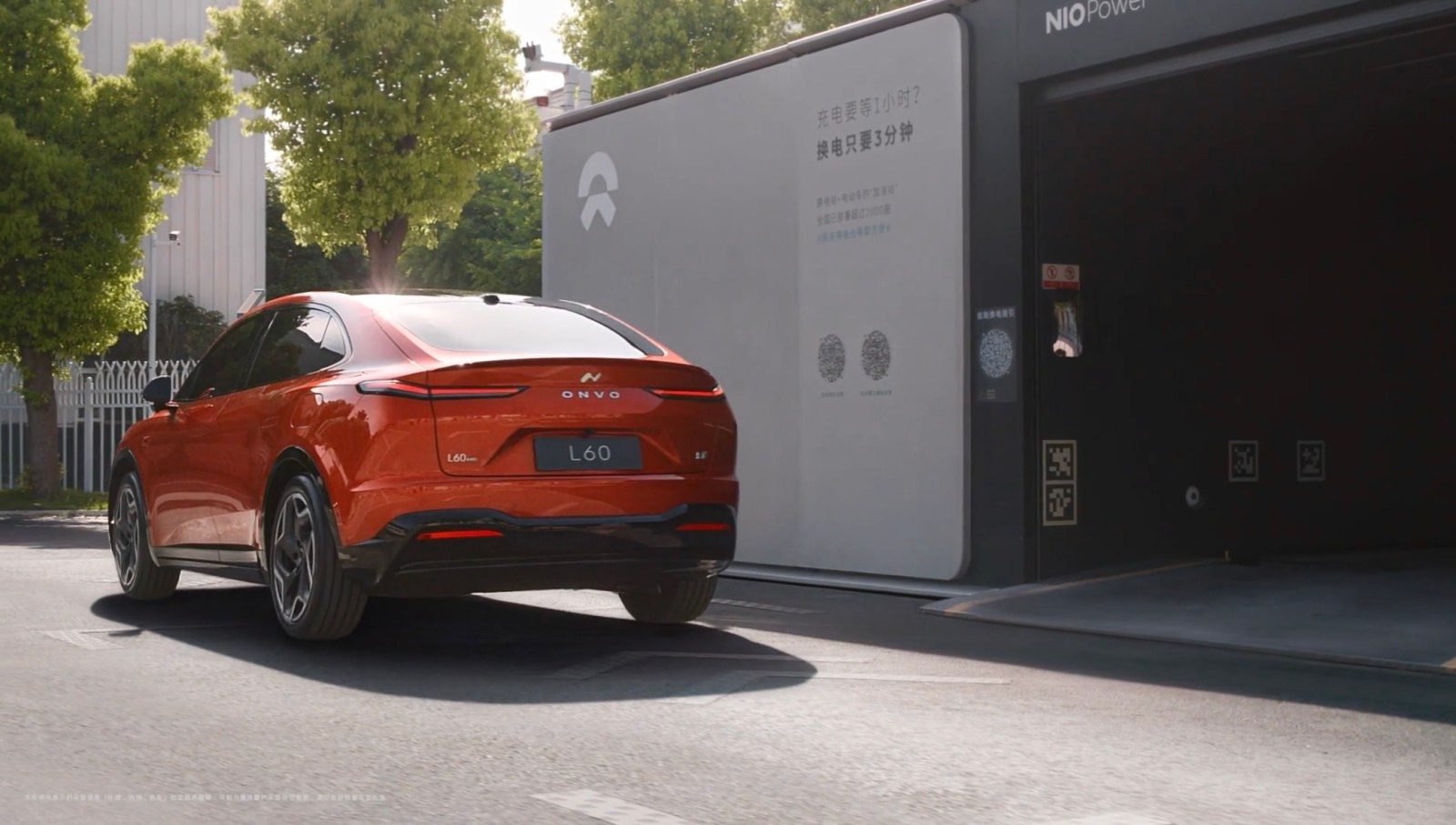
Onvo, the sub-brand of the electric vehicle maker Nio, announced this week a new pricing model for each battery swap following similar measures taken by the parent brand in early September.
From this week onwards, the cost of a battery swap will be calculated based on the amount of electricity swapped.
“Cost per battery swap = Base service fee (9.9 yuan) [$1.40] + (electricity charge per kWh + service fee per kWh) multiplied by the amount of electricity received,” according to the brand.

The service fee per kWh varies by station and fluctuates at different times of the day. Onvo will soon release an app update to allow customers to check what stations they have nearby and the detailed service costs of them.
“The electricity service fee may vary by station and may also differ at different times of the day. There are plans to update the Onvo app to support filtering nearby stations by cost and to optimize the display of relevant fees. Users are encouraged to stay informed about the product’s updates,” the company stated in its app.
Onvo also clarified that the electricity service fee “is adjusted once a month in the short term” while the electricity rate is “based on the state grid’s pricing”.
Nio opened the first battery swap station in Shenzhen in May 2018 and reached a total of 50 million battery swaps in August. Earlier this month, the company provided over 104,000 battery swaps in just one day in China reaching a new record.
The EV maker was initially charging a fixed fee of RMB 180 ($25) for each battery swap service.

Onvo delivered 832 units in three production days it had in September. For the upcoming months, it expects to produce 5,000 in October, 10,000 by December, 16,000 in January of 2025 and two months later.
Last week, the company addressed customer concerns after facing delivery confusion and production capacity issues with its first model.
The standard range variant, which is equipped with a 60 kWh battery, is priced at 206,900 yuan, while the long-range (85 kWh) variants starts at 235,900 yuan with deliveries starting in December.
Written by Cláudio Afonso | LinkedIn | X