
Nio Inc. registered 142 vehicles across nine reporting European markets in August, nearly doubling July’s 79 — though the surge came entirely from newer distributor-served countries, while the brand’s original European markets continued to collapse.
According to data compiled by EV, most of the new registrations came from Belgium, Luxembourg and Portugal, which represented 66% of the continental total.
Belgium and Luxembourg registered 48 vehicles, up from five in July, and Portugal added 46, up from 32.
Across Nio‘s five original European markets — Germany, Norway, the Netherlands, Sweden and Denmark — the group registered 42 vehicles in August, up from 28 in July but propped up almost entirely by Norway.
Removing Firefly sales from these five markets, the premium Nio sub-brand only registered one vehicle in Germany and 17 in Norway — the only European market where Chinese EVs are not subject to EU tariffs.
Belgium and Luxembourg alone outpaced those five markets combined.
Germany
Nio registered a single vehicle in Germany in August, according to the Federal Motor Transport Authority (KBA), a 96% year-over-year decline from the 23 units sold in August 2025 and down from the three registered in each of the previous three months.
Across the first eight months of 2026, Nio has registered 19 vehicles in Germany — down 90.1% from 191 in the same period a year earlier.
No month has exceeded five units. January and April each produced one registration, matching August at the bottom of the range.
The trajectory follows a steepening curve.
Nio registered 1,263 vehicles in Germany in 2023, 398 in 2024 and 325 in 2025. At the current pace, the full-year 2026 total would land below 30 — less than a single average month in 2023.
Germany has operated without a country chief since February, when general manager David Sultzer was dismissed after the brand registered a single vehicle in January.
Deputy general manager Christian Wiegand, the last senior figure in the German business, departed on July 31.
XPeng hired him days later as its German marketing head. Nio does not intend to fill either post.
The brand also closed its Hamburg Nio House and quietly shut a sales and service centre near Frankfurt, as EV reported.
Berlin, Frankfurt and Düsseldorf remain open, though the company is seeking subtenants for all four German flagship showrooms.
Norway Rebounds
Norway registered 34 vehicles in August, up from 20 in July and four units above August 2025’s 30.
A batch of 105 vehicles built for the Norwegian market was due to arrive in August, as EV reported, and the increase is consistent with that shipment reaching showrooms.
Norway remains the only European market where Nio still sells directly and the only one with a country general manager, An Ho.
Across the Nio brand specifically, the company registered 17 vehicles in Norway in August alongside 18 Firefly units — making Norway the only market where the premium marque registered meaningful volume.
Original Markets
Everywhere else in Nio‘s founding European footprint, the August picture remains bleak.
The Netherlands recorded four registrations, all Firefly, up from two in July but 20 units below August 2025.
The premium Nio brand registered zero vehicles in the country — home to the company’s European headquarters in Amsterdam.
Sweden posted zero registrations for the third consecutive month, a 29-unit decline from August 2025. Firefly is not sold in Sweden.
Denmark registered three vehicles, matching July, and three units below August 2025. All three were Firefly units; the Nio brand recorded zero.
The company relaunched in Denmark late last year with a distributor-led system, after failing to gain traction in the market.
Ageing Inventory, No Refresh
Every Nio available in its direct-sales EU markets is a 2023 or 2024 build on the older NT 2.0 platform.
Newer models sold in China — including the third-generation ES8, ES9 and ET9 — have not been announced for Europe.
Nio‘s websites in Germany, the Netherlands and Sweden collectively listed only 15 vehicle configurations as of late August.
The company has also begun offering certified used cars starting at €26,900 in Europe, battery excluded — a further sign of the push to clear ageing stock.
A caveat applies to Nio‘s registration figures.
The company’s subscription model — which registers each vehicle only once regardless of how many customers subsequently use it — has distorted its European sales data since 2022, as EV exclusively reported.
Near-zero figures in Germany and the Netherlands partly reflect an existing subscription fleet already counted.
Even so, the numbers signal a near-total halt in new vehicle intake across the direct-sales markets.
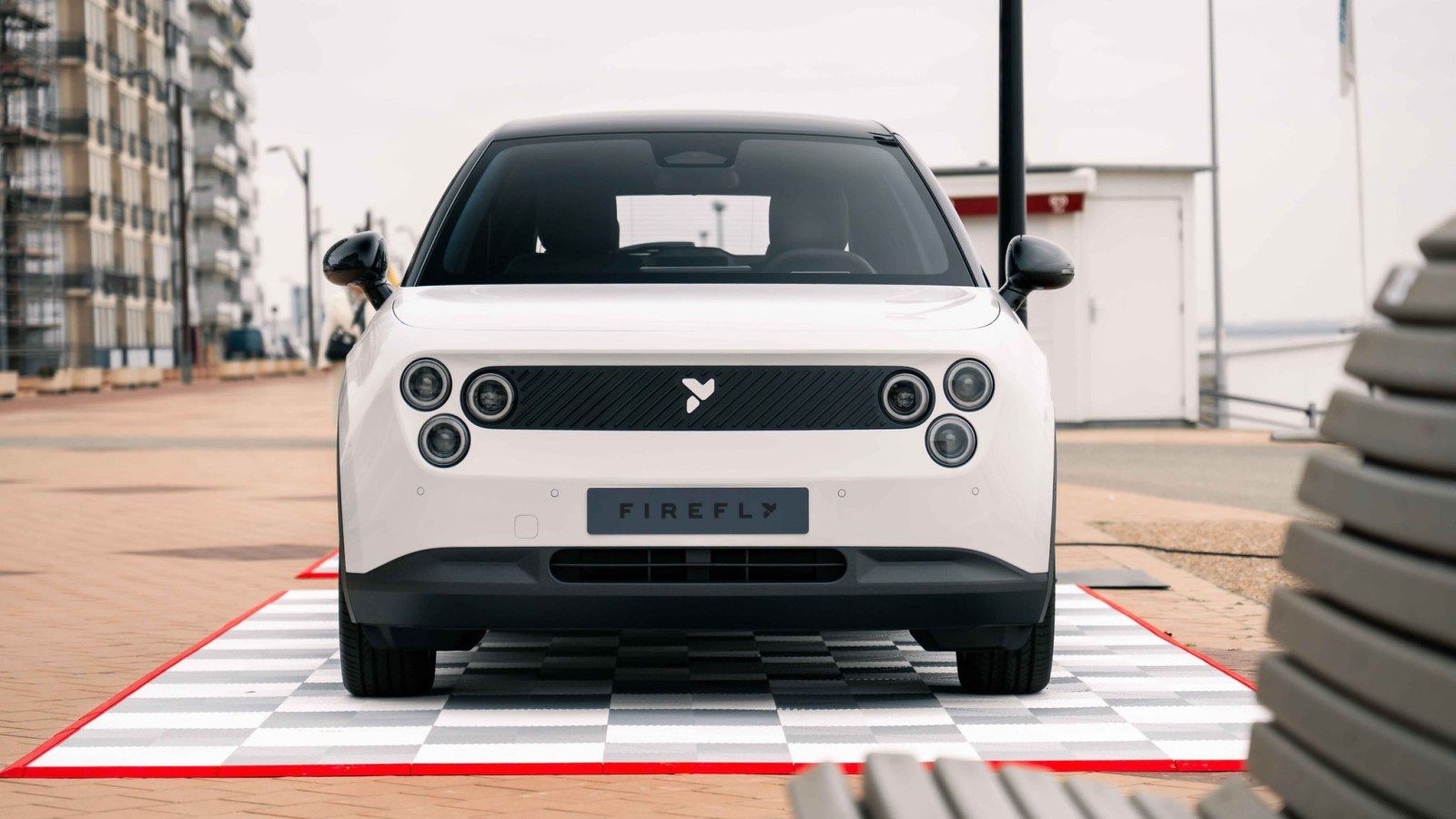
Firefly, the sub-brand that starts at €29,900 in other European markets, is not sold in Germany or Sweden.
Combined duties of 30.7% — the standard 10% tariff plus a 20.7% countervailing levy — apply to all Nio vehicles imported from China into EU markets.
Distributor Markets Double
Newer markets served through local distributors more than doubled in August, registering a combined 100 vehicles against 51 in July.
Belgium and Luxembourg, served by Hedin Mobility Group, accounted for the largest share at 48, a nearly tenfold increase from July’s five.
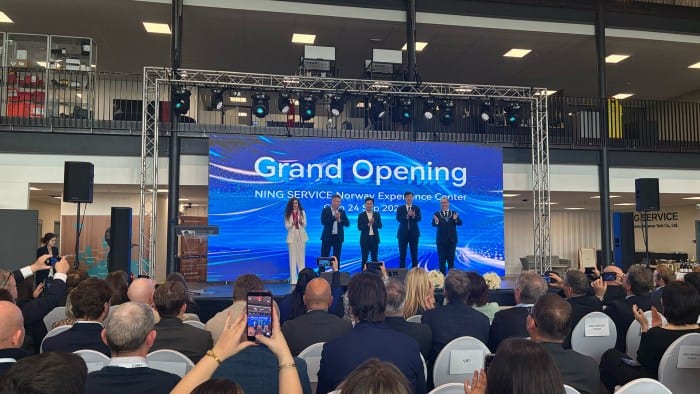
Portugal, where Nio is represented by JAP Group, registered 46, up from 32 and the second-strongest market on the continent after Belgium and Luxembourg.
In Greece, Nio recorded three units, a sharp fall from July’s 14 vehicles.
The shift means distributor-served markets now account for roughly 70% of Nio Inc.’s European volume — up from about 65% in July.
A year ago, these markets did not exist.
European Strategy
Nio reaffirmed last month it has no plans to retreat from Europe, following earlier statements from its Norwegian unit calling media coverage unnuanced.
Co-founder and President Qin Lihong has said the company aims to sell several thousand vehicles overseas in 2026.
August’s 142 registrations marked the highest monthly European total since at least early 2026, lifted by Firefly price cuts running 11% to 17% across four markets.
Germany, the Netherlands and Sweden are now run directly by a European team headquartered in Amsterdam, without country heads of their own, as part of a restructuring EV revealed in March.
Every country general manager across the original European markets has departed except An Ho in Norway.
Executive VP Mark Zhou has conceded the company miscalculated when expanding beyond Norway, underestimating infrastructure costs and acknowledging feedback from European staff that its vehicles were too large for the market.