XPeng sold 6,900 vehicles in China between May 5 and 11, a 25.5% jump from the previous week’s 5,500 units.
The company said on Tuesday that it has expanded into the Italian market and partnered with PlugSurfing to give its European customers access to 940,000 EV chargers across the continent.
The Guangzhou-based automaker returned to over 6,000 weekly registrations last week, according to insurance data shared on Chinese social media on Tuesday, rebounding after a slight decline the week before.
The decline in the first days of May was largely due to the Labor Holiday period in China and the typically slower sales seen at the start of each month.
The best-selling Mona M03 sedan represented nearly half (46.4%) of XPeng’s sales last week, with 3,200 units.
The company sold 1,100 G6s and 658 G9s SUVs. A refreshed version of both models was unveiled in March, with deliveries starting last month. In overseas markets, the brand is still selling the previous versions.
While the original iteration of the P7 showed 10 units registered, the P7+ represented 21.7% of the brand’s market share, with 1,500 vehicles.
Last month, XPeng delivered 35,045 vehicles globally, a 273% jump year over year, marking the sixth consecutive month of over 30,000 units. Year-to-date sales in China have reached 128,800 units, accounting for 33.9% of the company’s full-year sales target.
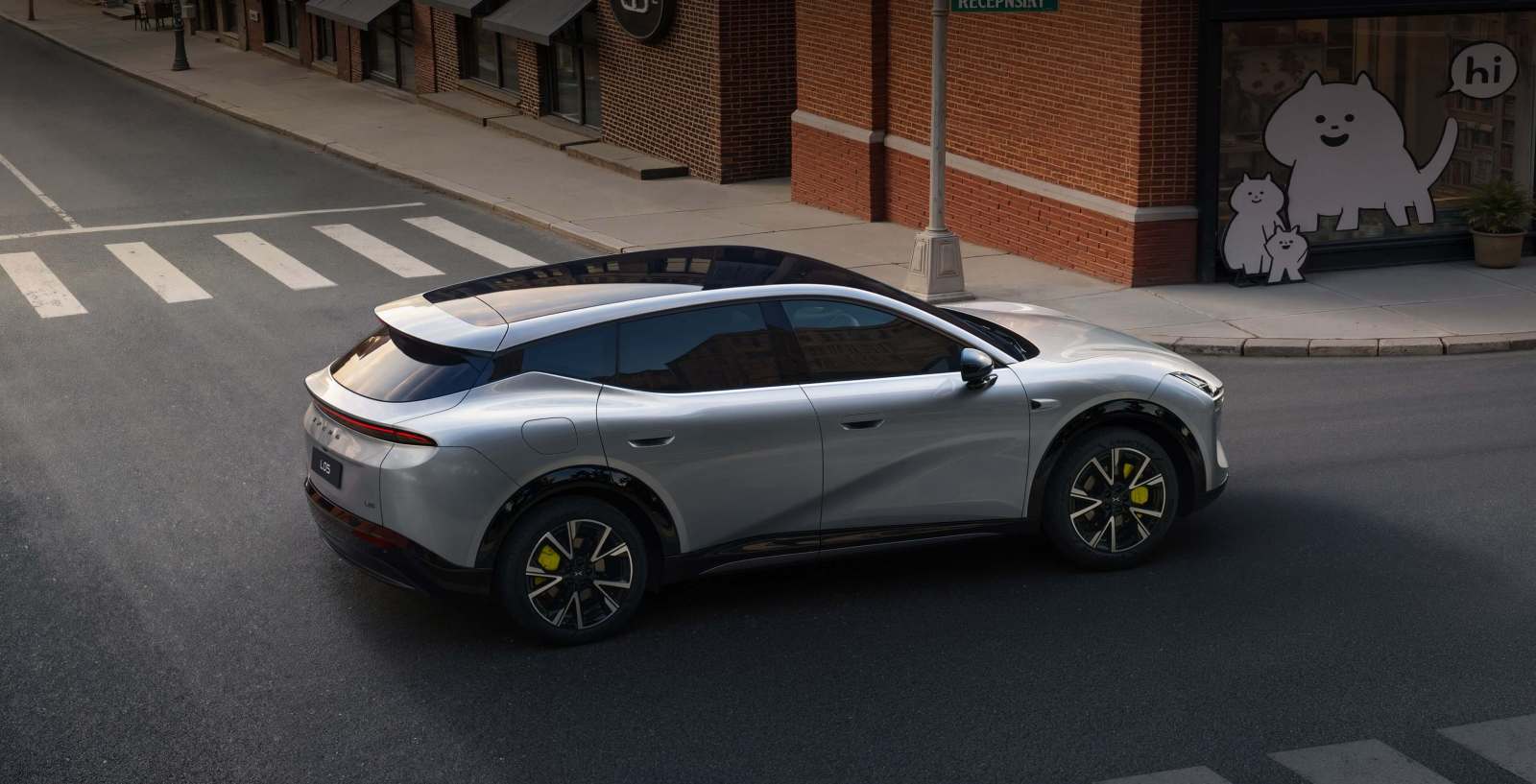
Premium brand Zeekr sold 4,300 EVs, surpassing its main domestic competitor, Nio, which sold 3,900 vehicles. This marks the first time in four weeks that Zeekr has outperformed the Shanghai-based automaker.
Nio’s second sub-brand Firefly — which marks the group’s entry into the affordable urban EV segment — registered 470 units of its debut model in China last week.
Tesla‘s registrations plunged 57.9% sequentially to 3,070 units. In the previous week, sales of the U.S. brand had dropped to 7,300 units due to industry disruptions in China.
BYD continued to lead the market with 68,000 vehicles listed, of which 3,000 are from its sub-brand Denza. Year to date, the group sold 967,800 vehicles — both hybrid and fully electric — in China.
Results Overseas
He Xiaopeng stated earlier this week on Weibo that “XPeng exported 7,615 vehicles” in the first quarter, securing the top spot among emerging EV brands going overseas,” up 370% year over year.
The brand “ranked no. 1 in new energy vehicle sales among emerging brands in 9 countries,” which included Denmark, Norway, the Netherlands, Ireland, Finland, Portugal and Belgium.
“Since we first entered the European market five years ago, we’ve looked forward to the day when more of our models, better technologies, and improved services could reach global customers,” Xiaopeng said.
The chief highlighted the “equally remarkable” performance in the domestic market. “From January to April, XPeng delivered a total of 129,053 new vehicles” and was “among China’s emerging EV brands in delivery volume.”
With first quarter deliveries, the EV maker entered the top 10 brands in the world by EV sales, ranking seventh above Li Auto and below Volkswagen, with BYD on the lead. The company said it will report first quarter earnings results on May 21.
XPeng announced on Tuesday a strategic partnership with Plugsurfing, one of Europe’s largest EV charging service providers, which granted its access to over 940,000 chargers across 27 European countries.
The brand announced it has expanded to Italy as it aims to sell its vehicles across 60 markets by year-end — double from last year.
Flying Vehicle
Last week, XPeng‘s CEO He Xiaopeng announced on Weibo that the Civil Aviation Administration of China (CAAC) accepted the company’s production certificate application for its flying vehicle.
“The application (…) has been officially accepted by the aviation authority, marking another step closer to mass production,” the chief executive stated.
This vehicle is part of the eVTOL (electric vertical takeoff and landing) system featured in XPeng‘s Land Aircraft Carrier and the approval allows Chinese aviation authorities to begin reviewing AeroHT’s mass production processes.
The certificate for the flying vehicle is currently in the compliance determination phase. The production facility for the flying vehicle is 70% complete and scheduled for completion by the fourth quarter.