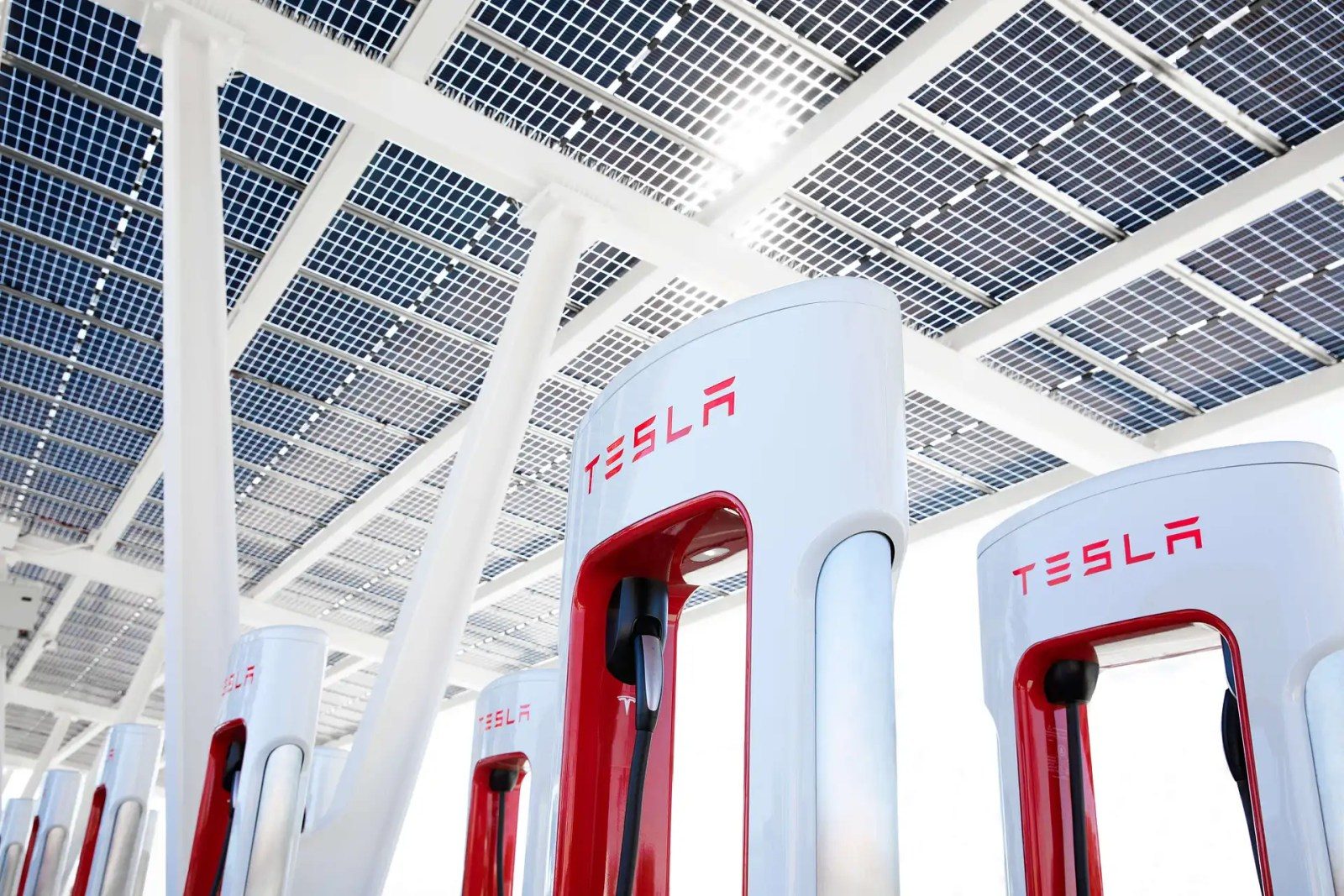

Tesla has once again activated free Supercharging in areas affected by natural disasters, offering complimentary charging in parts of Japan, France and Spain as communities deal with an earthquake and widespread wildfires.
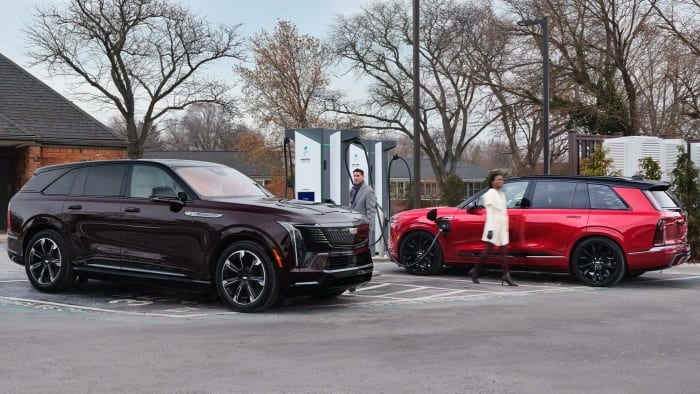
The service is open to both Tesla and compatible non-Tesla EVs, allowing a wider group of EV drivers to benefit from the emergency support.
In Japan, Tesla has enabled free charging at Supercharger locations across southern regions, including Kitakyushu, Fukuoka, Oita, Kumamoto, Miyazaki and Kagoshima.
Across Southern Europe, the company is providing free charging at selected sites as severe wildfires continue to affect several regions across France and Spain.
Stations in Arès, Biganos, Mérignac, Bordeaux Lac and Bègles in France, as well as Castellón, Sagunto, Fuenlabrada and Majadahonda in Spain, will be included in the initiative.
The wildfires have forced more than 300,000 people to leave their homes as extreme temperatures, dry conditions and strong winds increase fire risks across affected regions.
For EV drivers, access to reliable charging infrastructure can become essential during evacuations, particularly when traditional fuel supply chains are disrupted or when emergency travel distances increase.
Previous Actions
Tesla‘s latest action follows a long-established practice of temporarily opening its charging network during major crises.
The company has previously offered free Supercharging during hurricanes, wildfires, floods, earthquakes, power outages and other emergency situations to help drivers evacuate and maintain access to transportation.
During Hurricane Florence in 2018, Tesla provided free Supercharging and temporary battery capacity increases for affected owners, while Hurricane Michael saw similar support across several US states.
The company later extended the approach to wildfire emergencies, including California’s Camp Fire in 2018, and offered free charging following floods across Germany, Belgium and the Netherlands in 2021.
Tesla also activated free Supercharging after the Noto Peninsula earthquake in Japan in 2024, providing temporary charging support across affected areas.
The company has also used its network during non-weather-related emergencies, including opening selected charging locations in Europe to support people travelling away from conflict zones.
The repeated use of Supercharging as an emergency tool highlights the importance of Tesla‘s charging infrastructure beyond everyday EV ownership.
The Supercharger network has become one of the company’s most valuable assets, built around a combination of widespread deployment, software control and a focus on reliability.
Network Dimension
Tesla currently operates one of the largest fast-charging networks in the world, with tens of thousands of Supercharger stalls across multiple markets.
The Elon Musk-led company owns and operates over 75,000 Superchargers across the globe, where drivers can recharge their vehicles up to 200 miles in under 15 minutes.
More than half of these (over 42,000) are located in North America, while Europe counts for about 16,000-20,000 are located in Asia Pacific.
In 2025, a JD Power study found that Superchargers remain the most trusted fast-charging stations among EV owners, even as overall satisfaction with fast-charging networks has declined among US consumers.
The network was initially developed as an exclusive advantage for Tesla owners, helping remove one of the biggest barriers to EV adoption: concerns about long-distance travel and charging availability.
However, the network has increasingly moved toward becoming a broader EV charging platform.
Tesla has opened access to other manufacturers through the adoption of the North American Charging Standard (NACS), allowing more electric vehicles to use Supercharger locations.
The company has also expanded the network through new business models, including third-party owned Supercharger sites that use Tesla hardware and software while being operated by external companies.
The first third-party owned Tesla Superchargers in the US opened in Florida through Suncoast Charging, marking a new stage in the company’s charging strategy.
That expansion could make the company’s charging infrastructure even more significant during emergencies.