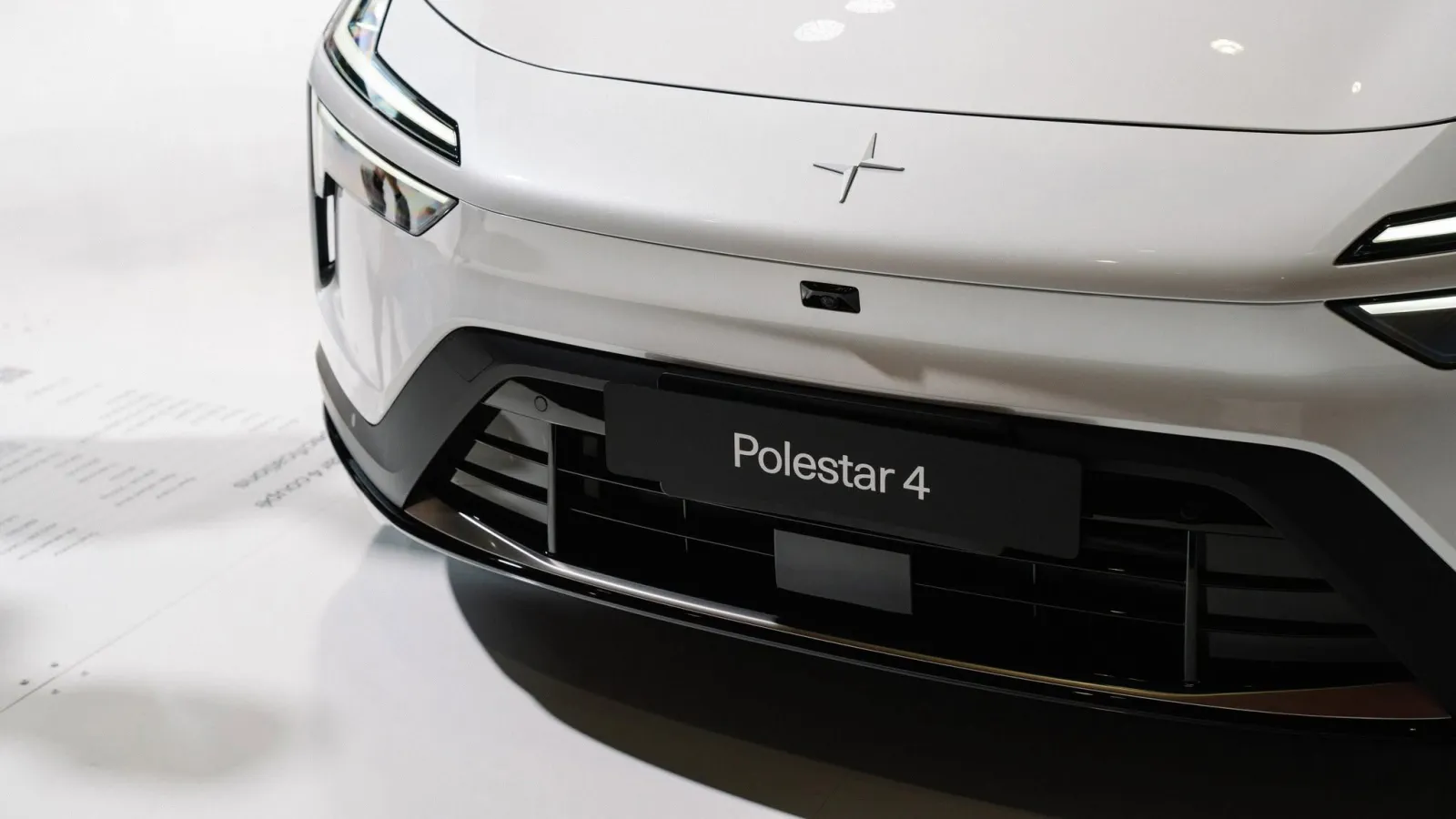
Japan has stopped taking applications for its main EV purchase subsidy after demand all but exhausted the program’s roughly 110 billion yen ($691.5 million) budget, cutting off support of up to 1.3 million yen ($8,200) per vehicle.
The Ministry of Economy, Trade and Industry (METI) said applications that arrived on Friday, November 20, were the last it would accept. Online applications closed at 5:15 p.m. that day.
After counting Friday’s applications, about 930 million yen ($5.8 million) was left, METI said. It judged that applications arriving through November 24 were highly likely to exceed that amount.
Applications that arrive after the cut-off will not be accepted. The program is first come, first served by the date an application arrives, so buying or registering a car before the deadline does not guarantee a payment.
The Next Generation Vehicle Promotion Center, which runs the program, said nothing has been decided for fiscal 2027, Nikkan Jidosha Shimbun reported.
Faster Than Forecast
The money ran out weeks sooner than the government had expected.
Applications opened on March 31. In September and again in October, METI forecast that they would close between early and late December. On November 11, it moved that to late November or early December.
The pace then quickened.
The balance fell from about 12.1 billion yen ($76.1 million) on November 16 to about 6.6 billion yen ($41.5 million) on November 19, METI’s updates show. A day later, it was down to 930 million yen.
Buyers can apply only once a car is registered, and dealers had been timing their offers to customers around the expected end date, Nikkan Kogyo Shimbun reported.
A Cut Was Already Planned
METI had tried to make the budget last.
On October 21, it said it would lower the amounts for cars registered from January 1, 2027, “in order to continue the subsidy for as long as possible within the current budget.”
The cap for an EV was to fall to 780,000 yen ($4,900) from 1.3 million yen.
The cap for kei minicar EVs was to drop to 458,000 yen ($2,900) from 580,000 yen ($3,600), for plug-in hybrids to 510,000 yen ($3,200) from 850,000 yen ($5,300), and for fuel-cell vehicles to 900,000 yen ($5,700) from 1.5 million yen ($9,400).
The budget ran out six weeks before those lower amounts were due to take effect.
What Happens Next
Buyers whose applications missed the cut-off have no assurance of support.
METI said in October that, if the money ran out this year, it would consult the Finance Ministry on options including applying next fiscal year’s budget retroactively, Nikkan Kogyo Shimbun reported.
The newspaper said last week that the response had not been settled.
The ministry has requested 110 billion yen for the program in its fiscal 2027 budget, the same amount as the current budget, the newspaper said.
The center pointed to a past case in which, after applications closed, the following year’s program covered cars registered from January 1 once the Cabinet had approved the budget, Nikkan Jidosha Shimbun reported.
Who Got What
Japan sets the subsidy model by model. The amount depends on the car and on the carmaker’s efforts in areas such as charging infrastructure and stable supply, according to METI.
The EV cap was raised to 1.3 million yen from 900,000 yen ($5,700) for cars registered from January 1, 2026. METI said the new caps took the U.S.-Japan tariff agreement into account and were meant to ensure fair competition between vehicle types.
Tokyo and other local governments also expanded their own subsidies, Nikkan Kogyo Shimbun reported.
Among cars registered since April, Honda‘s Super-ONE qualified for the full 1.3 million yen, Nissan‘s Leaf B5 X for 1.29 million yen ($8,100) and Tesla‘s Model 3 for 1.27 million yen ($8,000), according to the center’s model list as compiled by Best Car magazine.
BYD‘s Racco kei EV qualified for 150,000 yen ($900), the magazine’s list shows. BYD’s subsidy was cut to that level in April, and its registrations in Japan fell the following month.
Under the planned January cut, the Leaf B5 X’s subsidy was to fall to 774,000 yen ($4,900) and the Model 3’s to 762,000 yen ($4,800), according to the same list.
Tesla registered about 12,200 vehicles in Japan in the first half of 2026, more than in all of 2025, based on Japan Automobile Importers Association data that list the brand under “Others.”
Record Sales, and a Risk
The larger subsidy helped lift Japan’s small EV market to records.
Sales of passenger EVs roughly tripled to 82,881 in the first nine months of 2026.
Among registered cars, a category that excludes kei minicars, EV sales rose for a 14th straight month in October. Their share reached a record 5.9%, up 4.1 percentage points from a year earlier, the newspaper said.