
California Governor Gavin Newsom signed legislation on Monday creating a state rebate of $3,500 for first-time buyers of new EVs, reviving direct consumer subsidies in the largest US auto market nearly a year after the federal EV tax credit expired.
The program, branded ‘MyFirstEV’ and established under Senate Bill 168, pairs a $135.5 million state commitment with a dollar-for-dollar match from participating automakers, for a combined $270 million in point-of-sale savings the state says will reach buyers later this summer.
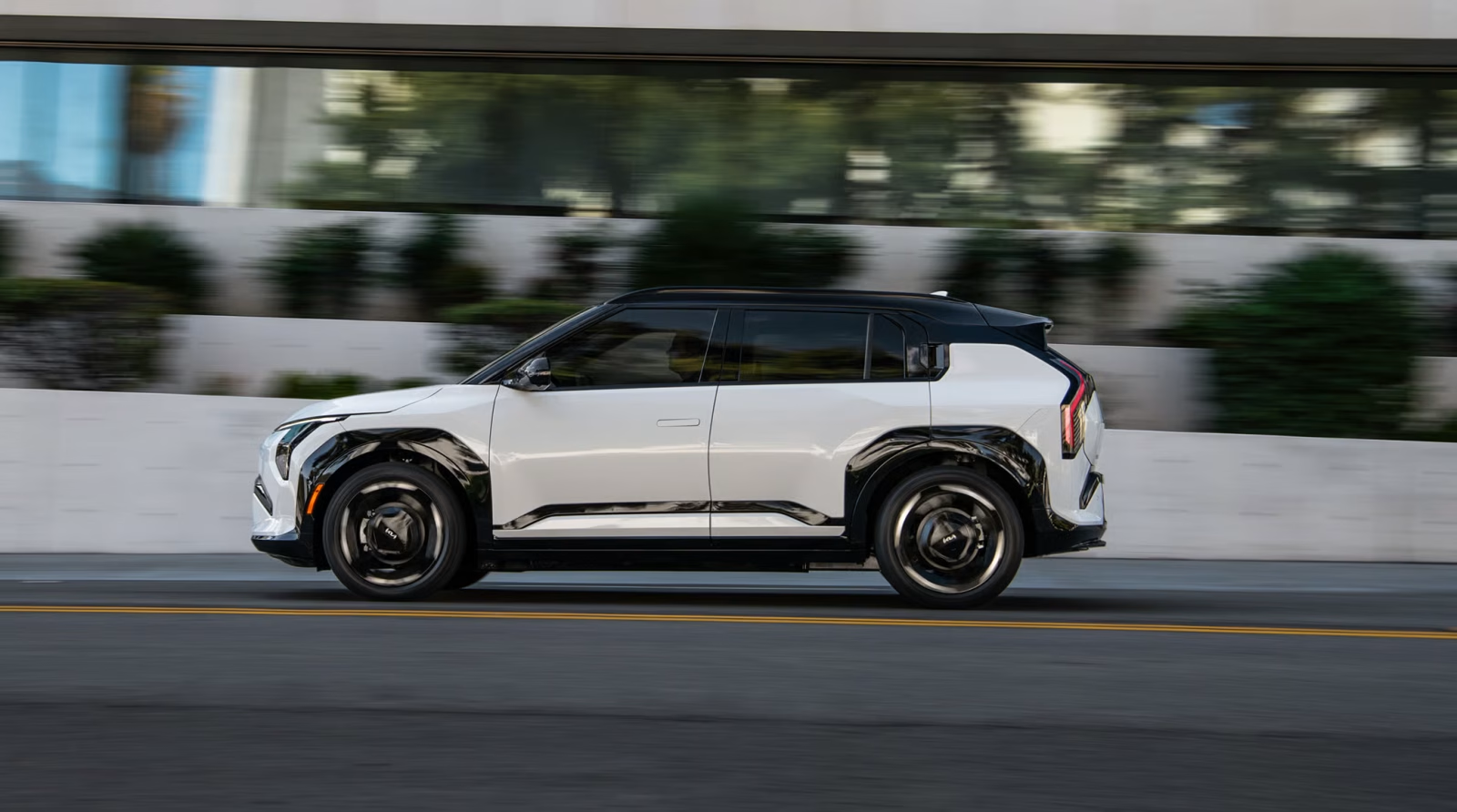
The rebate applies to new zero-emission vehicles with a suggested retail price of $50,000 or less and adds a separate $1,750 rebate for used EVs selling for up to $25,000.
Both will be delivered as instant discounts at the dealership rather than as a tax credit claimed later.
The Timing
The subsidy arrives amid a sharp downturn in California EV demand that tracks the federal credit’s expiration.
Zero-emission vehicles reached a record 29.1% of new vehicle registrations in the third quarter of 2025 as buyers rushed to beat the September deadline, then fell to 18.9% in the fourth quarter once the credit lapsed.
The slide deepened into 2026, with fully electric vehicles accounting for just 13.7% of new registrations in the first quarter, down from 21.0% a year earlier, a drop that gave the rebate fresh urgency.
The pattern mirrored a national reversal, with US EV sales hitting a record of roughly 410,000 units in the third quarter before falling from about 98,000 in September to 75,000 in October as the incentive disappeared.
California crossed 2.5 million cumulative zero-emission sales even after the credit expired, but the recent registration declines underscore how much the market had leaned on purchase subsidies.
How the Program Works
Eligibility centers on first-time buyers, with the rebate open to any California resident purchasing their first zero-emission vehicle and carrying no stated income cap.
The structure differs from a tax credit in a way the state has emphasized, because the discount is applied at the point of sale, lowering the price a buyer finances rather than arriving months later at tax time.
The $270 million headline figure depends on automaker participation, since the state’s $135.5 million is designed to be matched dollar-for-dollar by manufacturers that opt in, and the California Air Resources Board (CARB) is still finalizing agreements with automakers and dealers before the rebate can take effect.
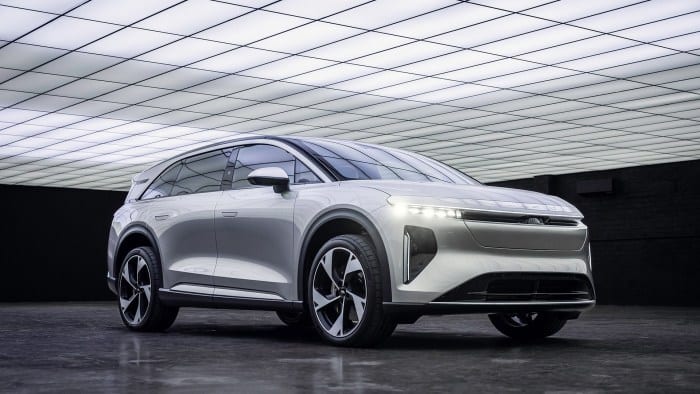
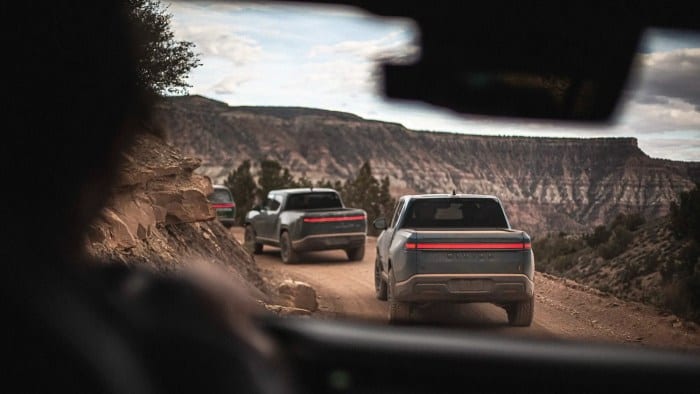
A notable carve-out exempts vehicles from California-headquartered zero-emission companies from the $50,000 price cap, a provision that would allow pricier models from in-state manufacturers such as Rivian and Lucid to qualify even above the threshold that applies to other brands.
The measure is the centerpiece of a broader $600 million clean-transportation package, and because the underlying budget provision took effect July 1, state officials have signaled the rebate could open within weeks.
The consumer rebate sits alongside other state efforts that have continued through the federal rollback, including a $1 billion rebate program for electric medium- and heavy-duty trucks that opened earlier this year and a $500 million commitment for clean school buses announced in 2025.
Those commercial programs, funded through California’s own climate and fuel-standard revenues rather than the federal budget, reflect a strategy of substituting state money for the withdrawn national support across both consumer and freight segments.
A Reversal From September
Monday’s signing marks a shift from the position Newsom took last autumn, when he said the state would not step in to replace the federal credit.
As the September 30 federal deadline neared, Newsom said California could not “make up for federal vandalism of those tax credits” and, citing the state’s budget deficit, declined to revive the rebate program he had earlier promised.
Automakers including Tesla, Rivian and Volkswagen had urged the governor to create a $5,000 state incentive to offset the loss, in what is the nation’s largest EV market.
The revived program lands at a smaller per-vehicle figure than automakers sought and below the $7,500 federal credit it replaces, but it restores a direct purchase subsidy that had been absent since California’s Clean Vehicle Rebate Project stopped taking applications in 2023.
That earlier program subsidized nearly 600,000 vehicles at a cost of about $1.5 billion over its lifetime, and an initial version of its successor had floated market-share limits that could have excluded Tesla, a design point that drew objections before the final structure emerged.
The Federal Backdrop
The rebate responds directly to the loss of the federal incentive, which Congress moved to end and President Donald Trump signed into law.
The $7,500 federal credit, created under the 2022 Inflation Reduction Act, had been set to run through 2025 before Congress accelerated its expiration to September 30, 2025, as part of a wider rollback of clean-energy support.
Congress separately voted to revoke the waivers underpinning California’s rule requiring all new passenger vehicles sold in the state to be zero-emission by 2035, a move the state is challenging in court as an unlawful use of the Congressional Review Act.
Newsom’s office framed the new rebate as a response to that federal retreat, arguing the state would keep pushing electrification even as Washington withdrew its support, a message the governor has paired with repeated criticism of automakers he accuses of retreating from EVs.
The rebate’s reach will depend on how many automakers agree to match the state funds and how quickly CARB completes those agreements.