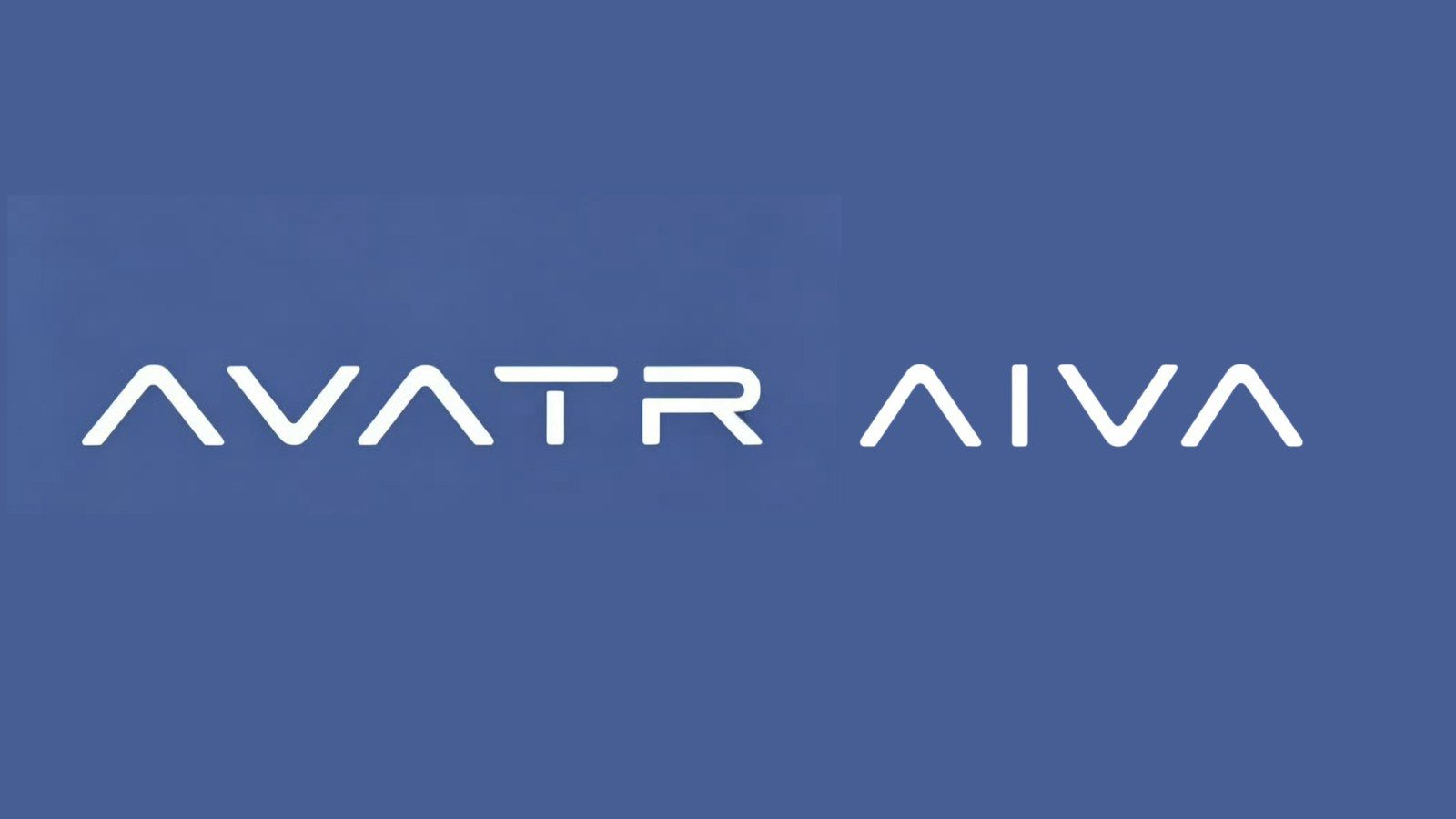

Avatr, the premium Chinese carmaker, used a social-media post on Tuesday to call out an unnamed company whose branding closely resembles its own, warning that the country’s carmakers cannot build their futures on imitation.
The Changan-backed marque made the charge on the social platform Weibo saying a brand had appeared in the market whose name was, in its design, “extremely similar” to its own.
The company framed that resemblance as flattery and threat in the same breath. Being copied was “an honor,” Avatr said, but “a warning” as well.
Chinese automakers, the post argued, must not travel the “Ctrl+C Ctrl+V” road, nor the improper old path of “reverse R&D” — a reference to 逆向研发, the reverse-engineering of rival products that shadowed China’s car industry for decades.
“To be imitated is the honor of the original creator,” Avatr wrote, casting itself as the originator and the other brand as the copy.
The statement never named the company it was describing.
A Target Left Unnamed
Avatr referred only to “a certain brand,” 某品牌 in the original, and offered no logo, no model and no manufacturer.
The omission did little to obscure the subject.
A side-by-side image pairing two wordmarks spread across Weibo within hours, and the discussion quickly settled on a brand presenting itself as AIVA.
Set against Avatr’s own “AVATR” mark, the “AIVA” lettering uses the same kind of rounded, angular capitals, the same open geometry and a near-identical treatment of the shared A and V.
The subject climbed Weibo’s trending list under a heading noting that Avatr had called a certain brand’s design similar to its own, drawing dozens of threads of commentary.
Far from a fringe startup, AIVA is a new brand from Seres Group, and Avatr posted hours before its official launch event that evening.
By withholding the name, Avatr let the public make the identification for it.
Declining to name a newcomer also denies it free publicity while still mobilizing Avatr’s own audience against it.
The tactic is common in China’s combative EV marketing, where executives routinely needle competitors without naming them, preserving deniability while steering the conversation.
What Avatr Did and Did Not Claim
Avatr‘s post stopped well short of a legal filing.
The brand cited no trademark, alleged no specific violation and announced neither a lawsuit nor a cease-and-desist demand.
Its language was rhetorical rather than statutory, built around the image of copy-and-paste keystrokes and the memory of reverse engineering.
The argument was about brand identity and originality, not a formal claim of copyright or trademark infringement.
That distinction matters, because a likeness between two stylized wordmarks is contested on different legal ground than a duplicated document or a copied design patent.
A wordmark dispute, if one ever materialized, would more likely turn on trademark and unfair-competition rules than on copyright.
Avatr
Avatr Technology was founded in 2018 and is led by Changan, the state-owned automaker, as its largest shareholder.
Battery maker CATL holds the second-largest stake, and Huawei supplies the brand’s assisted-driving software and smart-cockpit systems.
The company is based in Chongqing, the same city stamped on Tuesday’s post, and sells premium electric and range-extended models including the Avatr 11 and 12 and the newer Avatr 06 and 07.
Its name is pronounced “Avatar,” and its identity leans on minimalist surfaces and a spare, technical wordmark overseen by head designer Nader Faghihzadeh.
Who AIVA Is
Saidou Technology unveiled AIVA on Tuesday, the same day Avatr published its complaint.
The company is a subsidiary of Seres Group, the automaker behind the Huawei-partnered AITO brand, and counts Seres as its majority owner and CATL among its backers.
That last detail is striking, because CATL also holds Avatr’s second-largest stake, placing the battery maker on both sides of the dispute: an investor in Avatr and in the newcomer at the center of its post.
AIVA is pitched as an “AI-defined” marque, its name standing for “Artificial Intelligence Voyage Ahead,” a phrase that also echoes the Mandarin for “love me.”
The brand aims at the mainstream market, with a first model priced between 100,000 and 200,000 yuan, or about $13,800 to $27,600, below Seres’ premium AITO badge.
That model is a sporty crossover offered in pure-electric and range-extended forms, set to be built at Seres’ Phoenix plant in Chongqing and to launch before the end of 2026.
Its cabin is built around ByteDance’s Doubao artificial-intelligence model, and its driver-assistance software comes from DeepRoute.ai rather than Huawei, a deliberate step away from the Huawei alignment of Seres’ other cars.
For years, Chinese carmakers were the accused rather than the accusers, charged by Western and Japanese rivals with lifting designs and engineering.