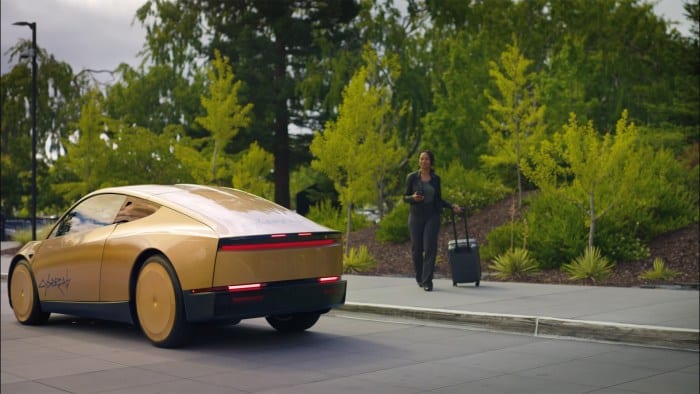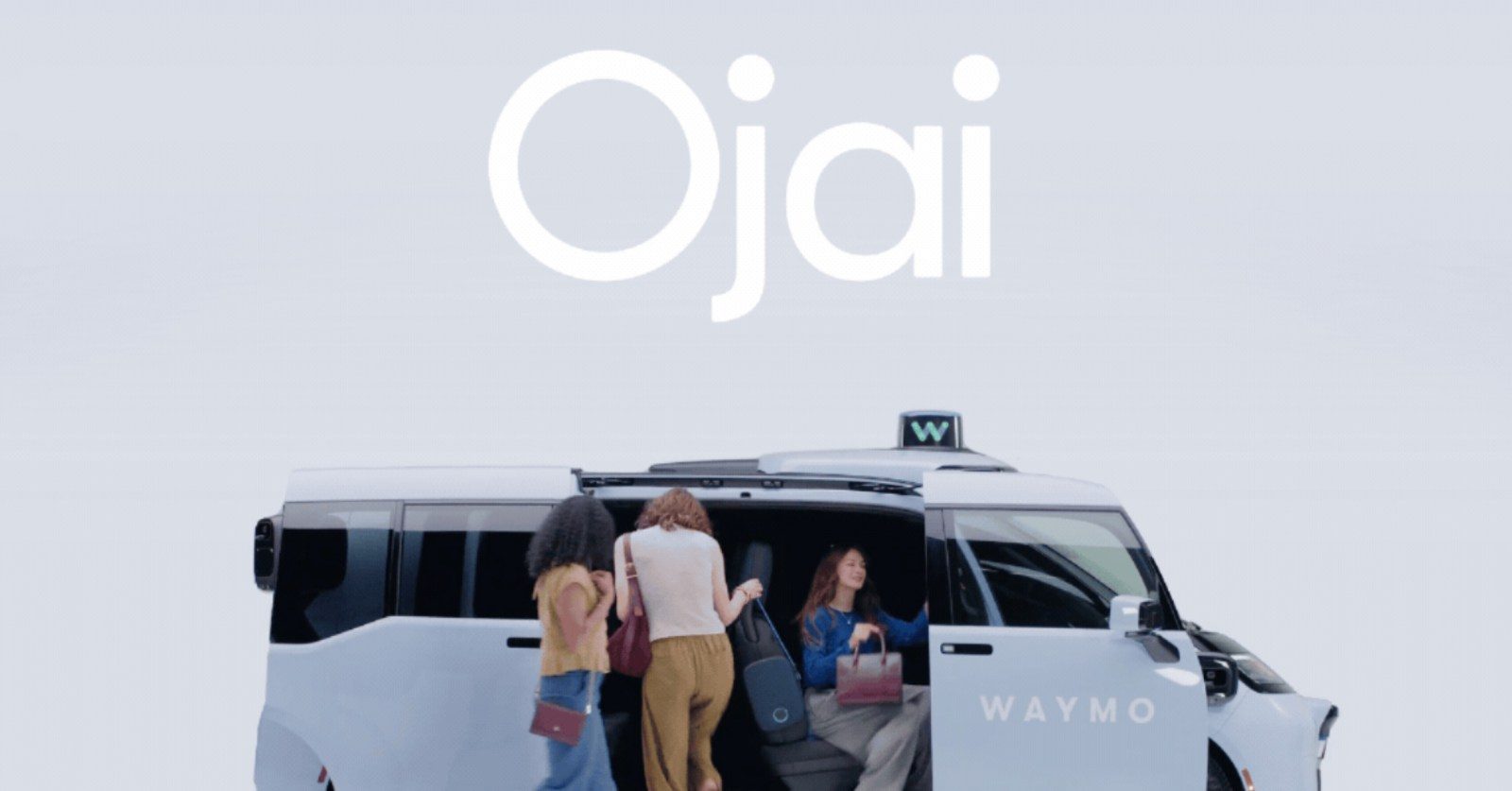

Waymo will begin offering rides in its new purpose-built robotaxi, the Ojai, to select riders in the coming weeks, the Alphabet unit said on Thursday, marking the public debut of the China-built model designed from the ground up for autonomous ride-hailing.
Riders in San Francisco, Phoenix and Los Angeles will be the first to take free trips in the Ojai as the company gathers feedback, Waymo said. It plans to welcome more riders over the coming months and expand to Denver, Las Vegas and San Diego later this year.
Employees have been riding in the Ojai for months, but Thursday’s move opens it to the public for the first time, beginning with a limited group.
A Vehicle Built Around the Rider
Waymo described the Ojai as a rider-first platform rather than a retrofit of an existing car, with elevator-like doors, a low step and a completely flat floor intended to make entry and exit easier.
The cabin features three large LED screens that let riders adjust settings from temperature to music, and the company said it would add more features over time.
Waymo said it built accessibility into the vehicle directly, citing embedded braille, screen-reader compatibility and a seat-integrated handle for support when entering or exiting.
The Sixth-Generation Driver
The Ojai is the first vehicle to debut Waymo‘s sixth-generation Waymo Driver, the autonomous system the company said would let it operate in snowier conditions and expand its footprint.
Waymo said the underlying technology is an evolution of a system that has served more than 20 million fully autonomous trips across 11 or more cities.
The company said it is scaling production toward a capacity of tens of thousands of vehicles a year at its factory in Mesa, Arizona, as it prepares to expand nationally.
Co-Chief Executive Dmitri Dolgov said the Ojai is “designed around the rider” and would “support our next phase of growth.”
Built in China by Zeekr
The Ojai’s base vehicle is built by Zeekr, the premium electric-vehicle brand owned by China’s Geely, and shipped to the United States, where Waymo installs its sensors and software.
The arrangement, in place since the vehicle was unveiled at CES in January, makes Waymo reliant on a Chinese-built platform at a time of steep US tariffs on electric vehicles imported from China.
Waymo has said the vehicles are not subject to the restrictions that keep Chinese consumer cars out of the US market, though the import duties add cost.
The sixth-generation sensor suite installed in Arizona includes 13 cameras, six radars and four LiDAR units, fewer cameras than the Jaguar I-PACE-based system it replaces. Waymo has said the newer setup is less complex and more efficient, helping it scale the fleet more cost-effectively.
Waymo plans to run the same sixth-generation hardware on the Hyundai Ioniq 5 as well, while keeping roughly 1,000 Jaguar I-PACE robotaxis in service for years.
Co-Chief Executive Dmitri Dolgov said the Ojai is “designed around the rider” and would “support our next phase of growth.”
A Flooded-Road Recall
The launch comes weeks after the National Highway Traffic Safety Administration said earlier this month that Waymo is recalling 3,791 robotaxis in the United States over a self-driving software defect that could cause the vehicles to drive onto flooded roads.
The recall covers certain fifth- and sixth-generation Automated Driving Systems deployed across the Alphabet subsidiary’s commercial fleet.
According to the NHTSA, the software may fail to adequately detect or respond to flooded road conditions, creating a potential safety risk for passengers and other road users. Waymo is developing a full software remedy, the agency said.