
Tesla announced on Thursday that it has partnered with the solar and storage system provider SunRun, aiming to simplify a combined home energy plan for Texas residents.
The Tesla Electric + SunRun Flex plan will provide customers with fixed electricity rates and sellback rates for excess solar energy returned to the grid.
There are currently “more than 100 electric providers” offering various rates in the state, the companies said in a statement.
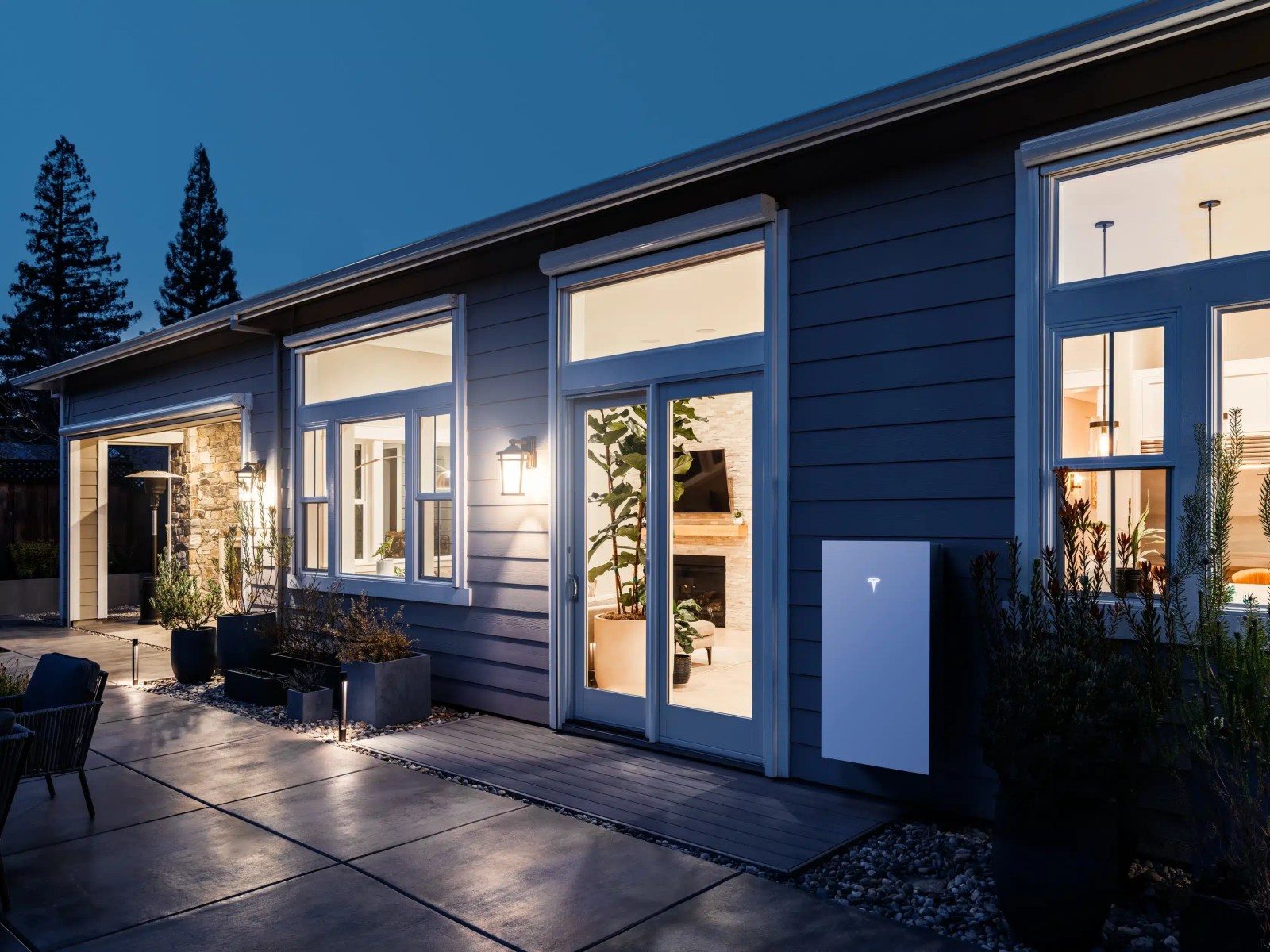
It includes Tesla Powerwall home batteries for backup power during outages, and allows participation in the company’s Virtual Power Plant (VPP) program.
The VPP is a network of distributed energy sources such as homes with solar and battery systems, working together as a single power plant.
According to the US brand, it “uses excess solar energy stored in Powerwall home batteries to provide more sustainable power to the grid when demand is high.”
Customers subscribed to SunRun Flex have system monitoring, maintenance, repairs and performance guarantees included.
Tesla will manage battery setting and solar crediting in the plan, along with rollover credits for customers who use less energy than their baseline allocation.
The two companies also list cost predictability as one of the key benefits of the collaboration, as “customers enjoy predictable, affordable monthly payments, with the ability to “flex” their energy usage as life changes.”
“With Tesla Electric, we’re building energy plans that unlock the full value of home solar and storage,” said Colby Hastings, Director of Residential Energy at Tesla,
Hastings highlighted the plan’s “optimized rates, seamless backup, and participation in grid services through virtual power plants.”
Tesla offers a range of energy storage products, including the Powerwall for homes, the Powerpack for businesses, and the Megapack for utility-scale projects.
Late last month, Tesla signed a 4 billion yuan ($556.4 million) agreement with the Shanghai local government, to launch its first grid-scale battery storage project in China.
In late May, as Trump’s “big, beautiful bill” (BBB) was approved by the U.S. House of Representatives, the company urged the Senate to wind down on energy tax cuts.
However, the Senate adjusted and approved the bill earlier this month.
The new regulation eliminates the EV tax credit of $7,500 by the end of September, while energy consumer credits will be finished by the end of this year, as initially predicted.
On Wednesday’s earnings call, after Tesla reported its second quarter financial results, CEO Elon Musk reaffirmed that “the big bill has certain adverse impacts even for the energy business, most notably on the residential storage business.”
“We are doing our best to try and manage through this,” the chief executive said, “but we will see shifts in demand and profitability.”
Questioned about how the BBB will affect the sales pipeline for the Megapack, VP of Vehicle Engineering Lars Moravy said that the company isn’t “heavily weighted in Megapack projects that are paired with solar,” given its “quite diversified” sales pipeline across market segments.
According to the executive, Tesla is “seeing storage quickly being recognized for its ability to unlock grid efficiency and how quickly it can be deployed to help the grid.”
“Although the recent bill was not favorable towards solar, we believe solar projects will still get built because the energy is necessary,” Moravy said.
The VP added that Tesla is “forecasting a very strong second half of the year as we increase deployments,” as the company continues to “invest heavily in US manufacturing to mitigate policy and tariff impacts.”