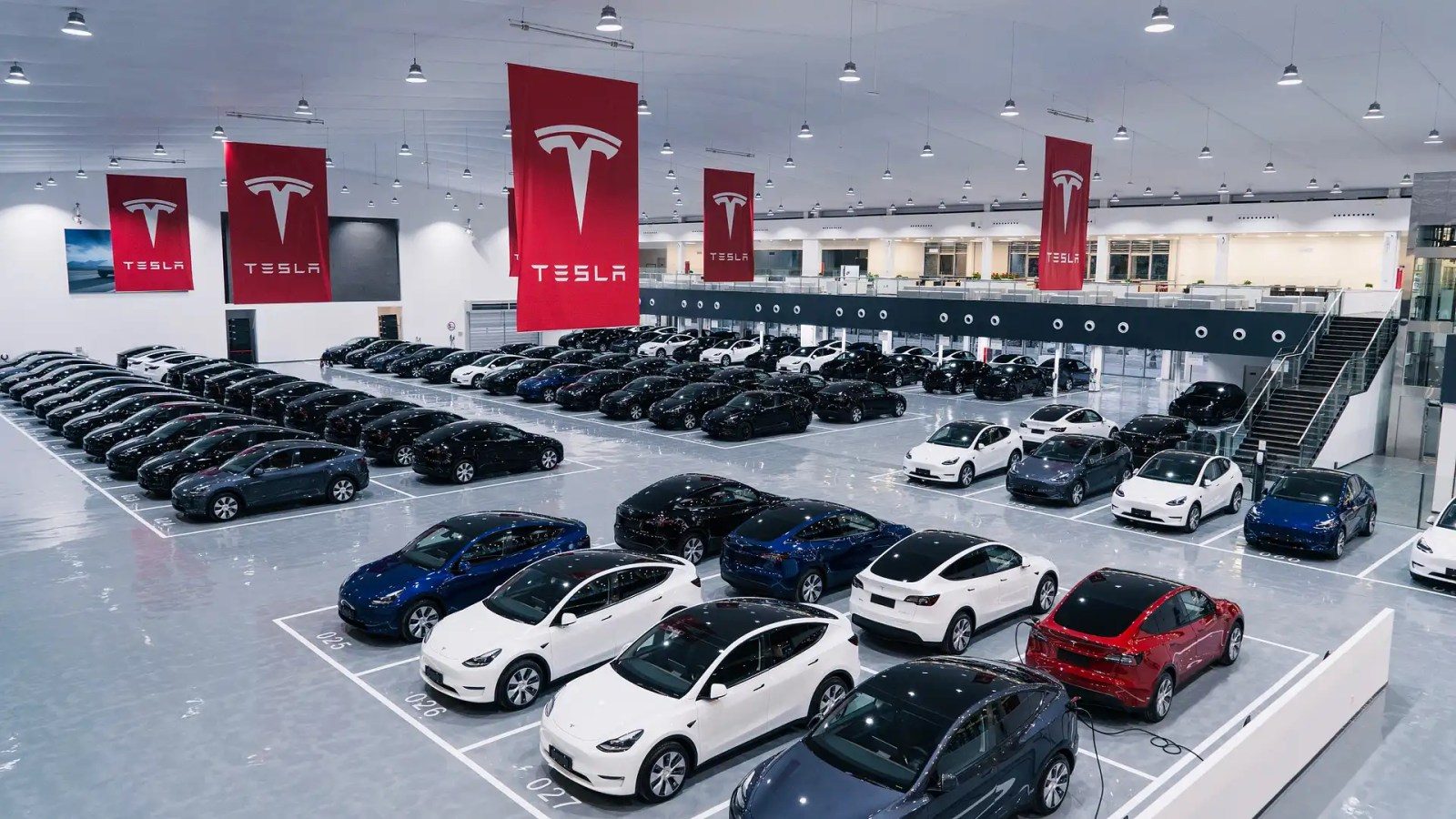

Tesla‘s sales dropped to 7,300 vehicles in China between April 28 and May 4, according to insurance registration data published on Chinese social media this Wednesday.
The numbers represent a 29.1% decline from the 10,300 units registered in the previous week.
Except for Li Auto, vehicle sales of major new energy vehicle (NEV) makers declined last week, primarily due to the Chinese Labor Holiday and the typical slowdown in sales at the beginning of each month.
Tesla‘s sales had been recovering from a slow start to the quarter, as the company typically prioritizes exports from its Shanghai factory before shifting focus to domestic deliveries. Last week, registrations declined after four consecutive weeks of growth.
Both its Model Y and Model 3 sales followed with a 25% and 38% drop from the previous week, respectively.
In mid-April, Tesla stopped taking new orders for both the Model S and the Model X due to the recently imposed tariffs. The models, which will get an updated version later this year, are exclusively produced at the Fremont factory in California, exposing them to the increased duties.
The U.S. brand sold 5,292 vehicles of its refreshed SUV, while Model 3 registrations fell to 2,000 units.
Competitors
Xiaomi sold 5,690 units of its debut SU7 from April 28 to May 4 — twice as many units as Tesla‘s Model 3, which the tech giant’s sedan competes with in China. The domestic brand’s sales fell 19% week over week.
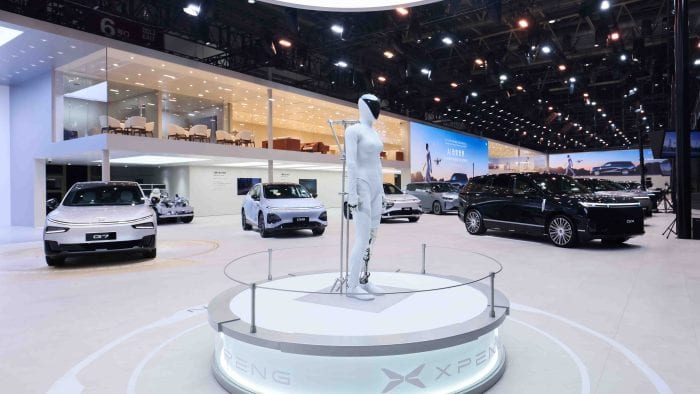
Leapmotor sales fell to 6,200 units, while XPeng recorded 5,500 vehicles in China last week, a 23.6% sequential decrease. Li Auto‘s registrations rose to 11,400 vehicles, up 24% from the previous week.
BYD, China’s leader in NEV sales, registered 56,300 hybrid and fully electric vehicles, a 10% drop from the previous week. Year to date, BYD sold nearly 900,000 vehicles in China, while Tesla, the second best-selling brand, sold 166,900 EVs.
April Results
The Elon Musk-led brand registered 58,459 vehicles in China last month, data from the China Passenger Car Association (CPCA) showed on Wednesday. The figures include models sold in China and overseas exports.
April sales were down 5.96% from the 62,167 vehicles recorded a year ago. From January 1 to April 30, the brand sold 231,213 vehicles, including overseas exports from its Shanghai plant, a 18.3% decrease from 283,043 year over year.
In Europe, the U.S. company’s sales have been plunging from the beginning of the year, with April registrations following the tendency. In Sweden, Tesla sales sank 81% year over year, while in France and in the UK the brand registered a 59.4% and 62.1% drop, respectively.
U.S. Cheaper Model Y
Tesla launched on Tuesday a cheaper version of its Model Y SUV in the U.S., a long range rear-wheel drive version starting from $37,990 with the federal tax credit included (and $44,990 without).
The long range all-wheel drive version’s prices begin at $48,990 in Tesla‘s home market.
Last month, the brand said in its quarterly shareholder deck that its “plans for new vehicles, including more affordable models, remain on track for the start of production in the first half of 2025.”
Tesla‘s VP of Vehicle Engineering Lars Moravy stated during the earnings call that the model would resemble the company’s current lineup “in form and shape.”
According to Moravy, the new affordable vehicle will “be built on our lines,” referring to the current lineup production lines, contrarily to the previous plan of a dedicated one, which will result in “less cost reduction than previously expected.”