
Written by Cláudio Afonso | LinkedIn | X
Auto stocks plunged early Monday, deepening a global selloff sparked by U.S. President Donald Trump’s renewed tariff threats that have stoked fears of a global recession.
S&P 500 futures entered bear market territory after falling 20% from February’s record high, reflecting a fresh escalation in trade tensions. Asian equity markets tumbled, European benchmarks dropped to a 16-month low, and oil prices slumped as investors braced for the economic fallout from sweeping new import duties.
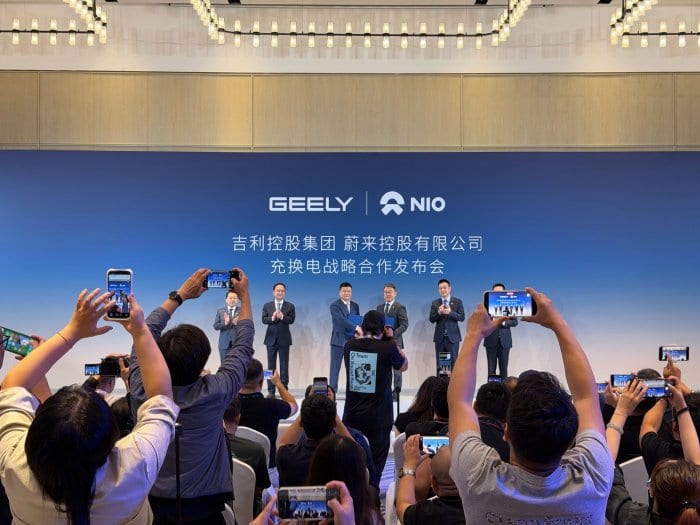
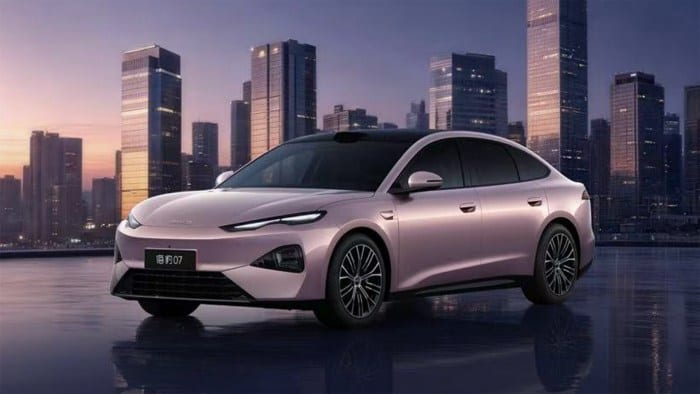
Hong Kong’s Hang Seng Index plummeted 13.2%, suffering its worst one-day decline since 1997. Chinese automakers were among the hardest hit, with Hong Kong-listed shares of major EV players sinking sharply. U.S.-listed XPeng Inc. dropped 13%, Zeekr Global fell 10.8%, and Nio Inc. declined 6.7% in premarket trading.
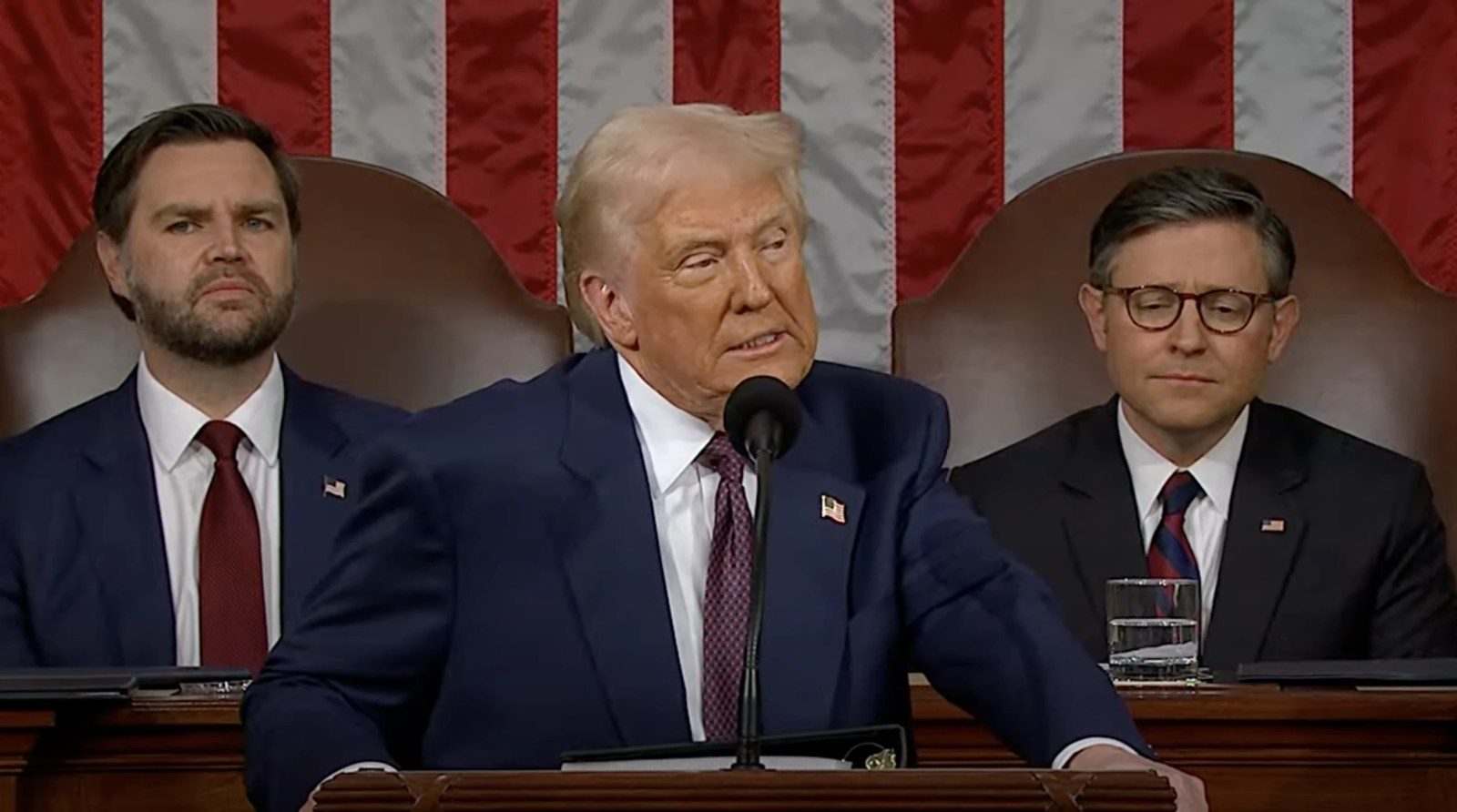
“We have to solve our trade deficit with China,” Trump said Sunday aboard Air Force One. “We have a trillion-dollar trade deficit with China, hundreds of billions of dollars a year we lose with China. And unless we solve that problem, I’m not going to make a deal.”
“I’m willing to deal with China,” he added, “but they have to solve their surplus.”
The U.S. president told reporters he had spoken with European and Asian leaders over the weekend regarding the tariffs, but showed no signs of backing down despite the market turmoil.
“I don’t want anything to go down,” Trump said, referring to the stock market, “but sometimes you have to take medicine to fix something.”
His remarks followed the worst week for U.S. equities since the pandemic-induced crash in early 2020.
The administration’s latest tariff package targets several Asian economies, with Vietnam facing duties of 46%, Cambodia 49%, and Sri Lanka 44%. China, the primary target, was hit with new 34% tariffs, prompting a swift response from Beijing.
China’s Ministry of Commerce on Friday announced a reciprocal 34% duty on U.S. imports, effective April 10, and condemned the U.S. move as “a typical act of unilateral bullying” that threatens the integrity of multilateral trade talks. The ministry urged Washington to withdraw the tariffs and resolve disputes through “fair and equal dialogue.”
The escalating tensions and tit-for-tat tariffs have roiled global supply chains and sent automakers and EV stocks sharply lower.
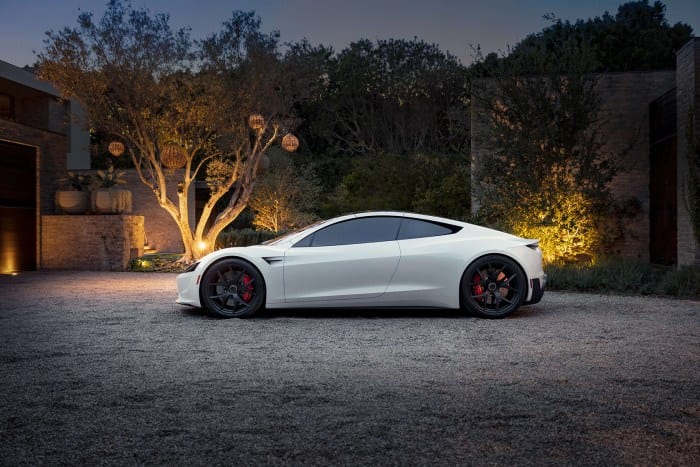
Tesla shares, which dropped over 10% on Friday, extended losses by another 8.3% in early trading Monday, falling to $219. Shares of other U.S. EV makers also slumped, with Lucid Group Inc. down 6.1% and Rivian Automotive Inc. dropping 6.3%.
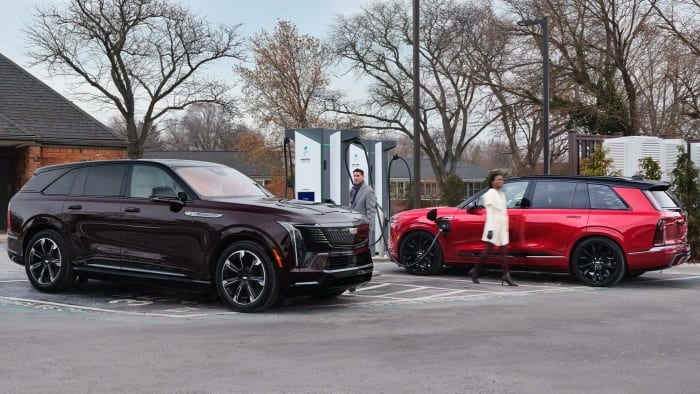
Detroit automakers were more resilient but still under pressure. General Motors Co. and Ford Motor Co. fell between 1% and 3%, while Stellantis NV continued its downward trajectory, hitting a fresh five-year low after falling more than 6%.
Last month, White House senior counselor for trade and manufacturing Peter Navarro warned about the risk of Chinese carmakers entering the U.S. market without tariff barriers.
Navarro argued that Chinese firms benefit from unfair advantages including what he called “massive government subsidies.” He also cited labor conditions and looser environmental rules in China as drivers of cost disparities with U.S. manufacturers.