
Xiaomi sales increased in the third week of April to 7,200 vehicles, data shared on Chinese social media showed on Tuesday. Registrations in China jumped 14.3% between April 14 and 20 in China marking the second consecutive week of growth in EV sales for the brand.
In the first week of April, registrations fell as a three-day holiday disrupted production and deliveries across the auto industry in China — marking the only period the company’s registrations were under 6,000 units since the previous holiday, in February (Chinese New Year).
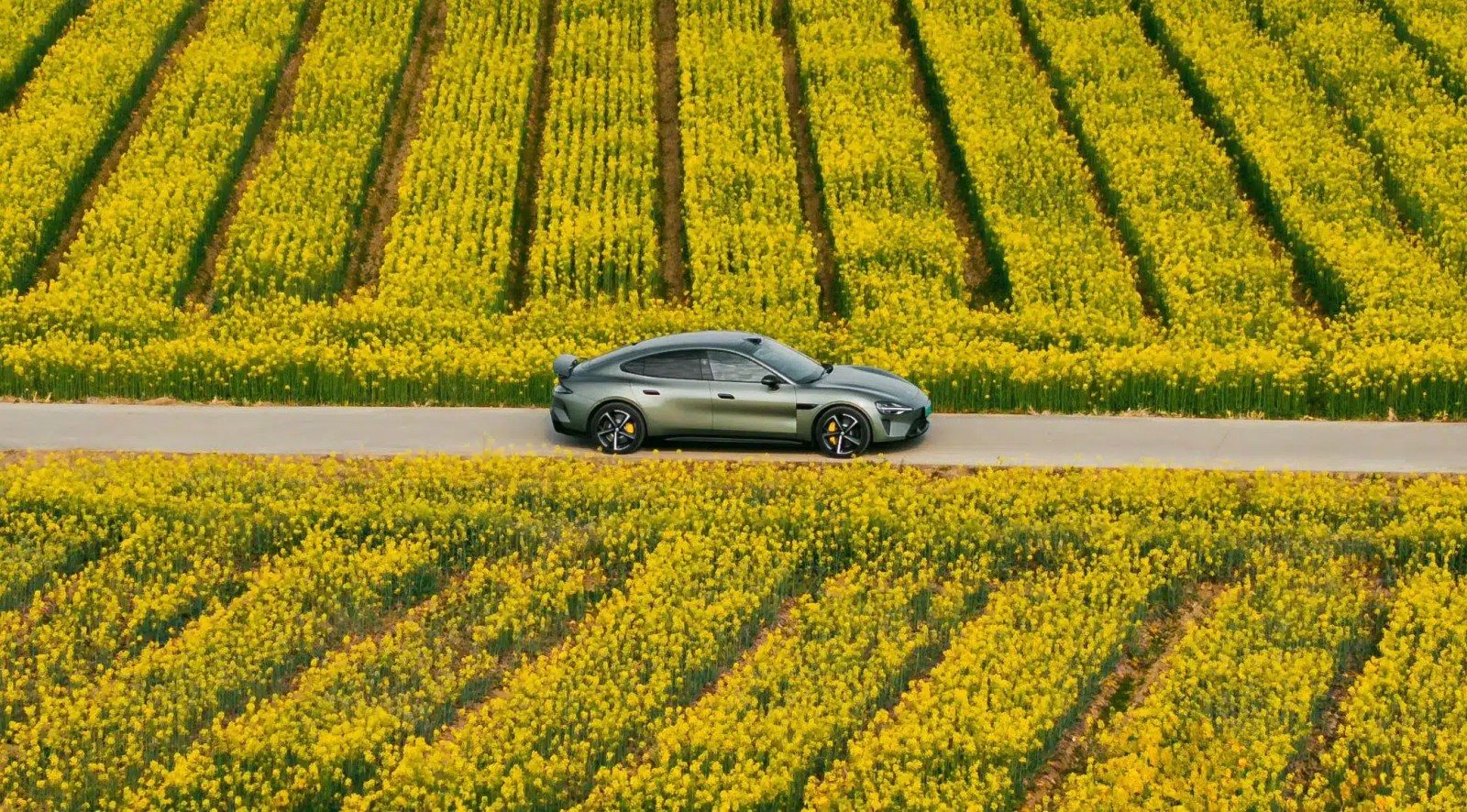
Xiaomi sold 18,600 vehicles between March 31 and April 20, with only its debut Su7 model — to which the brand added an Ultra variant earlier this year. The brand sold 93,200 vehicles in China year to date.
In the period from April 7 to 13, both models’ sales increased by over 20% from the first week of April, with Xiaomi selling over 4 times more sedans than the U.S. carmaker. Compared to this week, Model 3 sales have doubled.
While the Su7 model is posting modest growth week over week, Model 3 sales have doubled week-over-week, rising from 1,400 to 2,800 units. However, demand concerns have led the brand to roll out incentives in China on Tuesday.
Tesla China announced on Weibo that “Model 3 buyers get an 8,000 yuan [$1,100] insurance subsidy plus 5 years of 0% interest” and “special charging benefits for 1,299 yuan [$200].”
Premium EV maker Nio registered 5,400 vehicles between April 14 and 20, recording its highest weekly sales in 2025. The Shanghai-based brand’s direct competitor Zeekr sold 2,700 units, remaining at an average of 2,500 weekly units this month.
Upcoming YU7
The company is set to launch its first SUV model, the YU7, which will compete with Tesla‘s refreshed Model Y — currently China’s top selling EV, with more than 46,000 units sold in March.
Last week, a leaked image of the interior of the model circulated online, showing new details such as a full dashboard replacing the instrument cluster.
Xiaomi‘s founder and CEO Lei Jun had previously stated that the brand plans to launch the model in “June or July”. Despite earlier expectations, it was confirmed last week that the model will not be showcased at the Shanghai Auto Show.
Li Xiaoshuang, Xiaomi Auto’s VP, confirmed the decision in a Weibo post a week ago, writing: “Don’t be anxious, when it arrives it will be in its best state.”
The company stated it will instead focus its Shanghai presentation on the debut model Su7 and its high-performance version.
SU7 Ultra
Entering the auto market a year ago with the Su7, the brand’s Su7 Ultra launched in late February. It racked up 10,000 orders within just two hours, reaching the full-year production target set by CEO Lei Jun.
The model marked the tech giant’s bold entry into luxury performance vehicles, designed to rival high-end models from Porsche and Ferrari’s Purosangue SUV.
With the SU7 alone, Xiaomi’s total deliveries hit 200,000 units in mid-March, according to a company statement. On the same day, Lei Jun raised the annual delivery target by 50,000 units, setting the new goal at 350,000.