Volkswagen Group’s Scout Motors plans to have 90 workshops across the U.S. and Canada by 2033, as the off-road brand pushes ahead with direct sales while dealers fight it in courts and state regulators’ offices.
The figure compares with the 100 retail and service sites Scout had targeted by 2032 when it first laid out its sales plan two years ago. It was not immediately clear whether the 90 workshops include the separate sales studios Scout had counted in that earlier target.
Scout CEO Scott Keogh used the round number in an interview with The Drive published on Wednesday.
“We’re gonna build a hundred Scout stores in the country, and those Scout stores are gonna have lifts, they’re gonna have technicians, and they’re gonna fix your car,” he said.
From 100 to 90
Scout told Automotive News in October 2024 that it would open 25 brand-owned sites in 16 major U.S. markets when production started in 2027, rising to 57 in its second year, including two in Canada.
It then planned to add about 10 sites a year until it reached 100 in 2032, 93 in the U.S. and seven in Canada. The sites were to be split between Scout Studios, where customers shop, and Scout Workshops, where vehicles are serviced.
Cody Thacker, Scout’s VP of Commercial Operations, repeated the 100-site goal, including seven in Canada, in November 2025, without giving a date.
Since then, the launch has slipped. Scout now expects customers to get their first vehicles in 2028, instead of 2027 as first planned. “Cars in the hands of customers, 2028,” Keogh told The Drive.
Service First
Keogh has framed the network as a service operation more than a showroom chain.
“I think the one thing where maybe Tesla went a little bit awry, and it’s a lesson we learned, they focused heavily on malls at the beginning to get exposure to the brand and show it. They focused less on service,” he said, referring to Tesla. “We are 100% focused on service from day one.”
Under the 2024 plan, about 80% of each workshop’s floor space was to be given to service bays. Scout said it expected to have 1,300 service bays and 1,400 technicians by 2032, with mobile units handling about a quarter of service demand.
Owners within 45 minutes of a workshop were expected to bring their vehicles in, while those up to 200 miles away would be served by mobile units. The network was meant to put Scout within 200 miles of at least 85% of its projected owners.
State by State
Scout plans to sell its Traveler SUV and Terra pickup online and deliver them to buyers’ homes, as Rivian and Tesla do. Car dealers argue that Scout is part of Volkswagen and must use franchised dealers.
Ryan Decker, Scout’s VP of Strategy and Brand, told Edmunds this week that Scout “only needs a license to do so in one state and it already has multiple licenses,” and would handle titling and registration in each buyer’s state.
Scout won a dealer license from Colorado’s Motor Vehicle Dealer Board in a 6-2 vote on December 16, 2025, after the board found it was not a same-line manufacturer with Volkswagen, Audi or Porsche.
Tennessee went the other way.
The state’s Motor Vehicle Commission voted 14 to 2 against Scout’s application at its October 27 meeting, after Scout argued that state law only bars a manufacturer from competing with dealers of the same brand.
In California, Chief Judge Cynthia Bashant of the U.S. District Court for the Southern District of California refused on March 30 to dismiss the core claims in a lawsuit filed by the California New Car Dealers Association.
The court found that Scout’s $100 reservation program counted as competition in the sale of new vehicles. On October 22, Bashant also denied Volkswagen and Scout’s bid to end the case on the pleadings, sending it into discovery.
Scout also faces suits from Volkswagen and Audi dealers in Florida, a proposed class action by Volkswagen dealers in federal court in Virginia and a federal suit by the Washington State Auto Dealers Association filed in June.
Even South Carolina, where Scout is building its $2 billion plant with state incentives, has not opened the door. A bill to allow direct sales failed 8-0 in committee in February 2025.
Scout and fellow startups have pushed state lawmakers to loosen dealership laws that restrict direct sales.
Plant Nears Completion
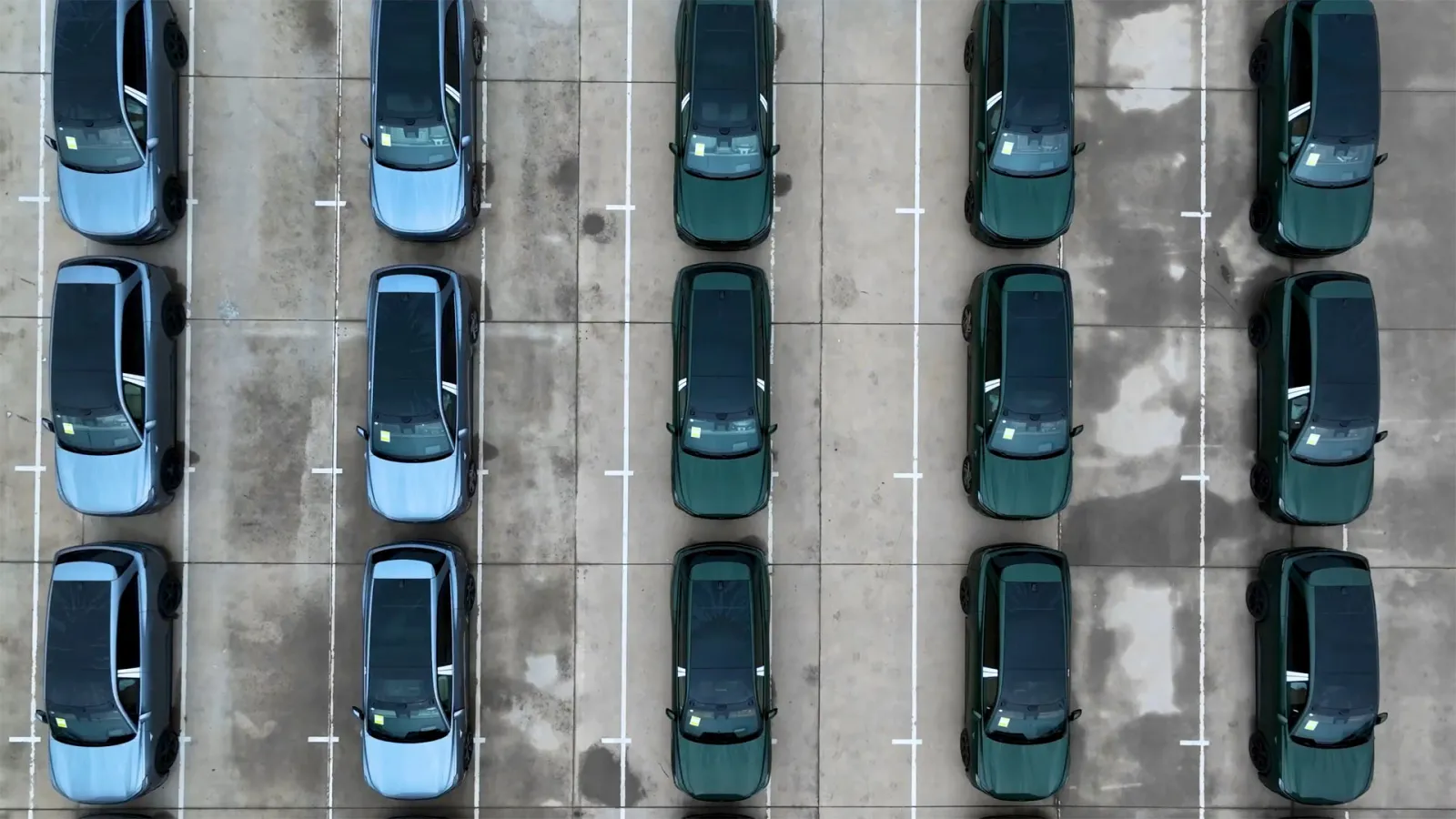
The retail plan comes as Scout’s plant in Blythewood, South Carolina, has started building validation vehicles. Scout has said the plant is about 90% complete.
Scout has about 212,000 reservations, with about 87% for versions with its Harvester gasoline range extender. It will launch with the range-extended Traveler, followed by the Terra, and later the all-electric versions.
Keogh put the Traveler Harvester’s price at about $59,000 before destination charges. He said Scout has not confirmed timing for the Terra.
The plant’s cost has also risen. Volkswagen expects it to cost about 50% more than it first budgeted.
“The Volkswagen Group is 100% committed, has funded Scout and will continue to fund Scout,” Keogh said.
He also told The Drive that the Scout platform could underpin a vehicle from another Volkswagen Group brand, such as Audi. “It’s a capable possibility, without a doubt. We have nothing to report,” he said.