UBS has pulled back from its bearish stance on Tesla after the stock fell 25% in a turbulent first quarter, with the firm now seeing a more balanced mix of risks and long-term opportunities.
In a research note sent to clients on Tuesday, analyst Joseph Spak dropped the Swiss bank’s Sell rating on the stock — three months after downgrading it.
While acknowledging Tesla‘s future opportunities in emerging technologies, the analyst emphasized current pressures that could weigh on performance.
“Our view is balanced by near-term demand challenges, an elevated investment period, and a lofty valuation,” Spak wrote, adding that these are weighed against “a large long-term physical AI opportunity.”
The analyst also flagged unpredictable price movements, stating that UBS expects “the stock may continue to exhibit high volatility.”
“In our view, TSLA stock trades more on sentiment, narrative and momentum than fundamentals,” Spak noted.
UBS now has a Neutral rating on Tesla‘s stock.
Stock Performance
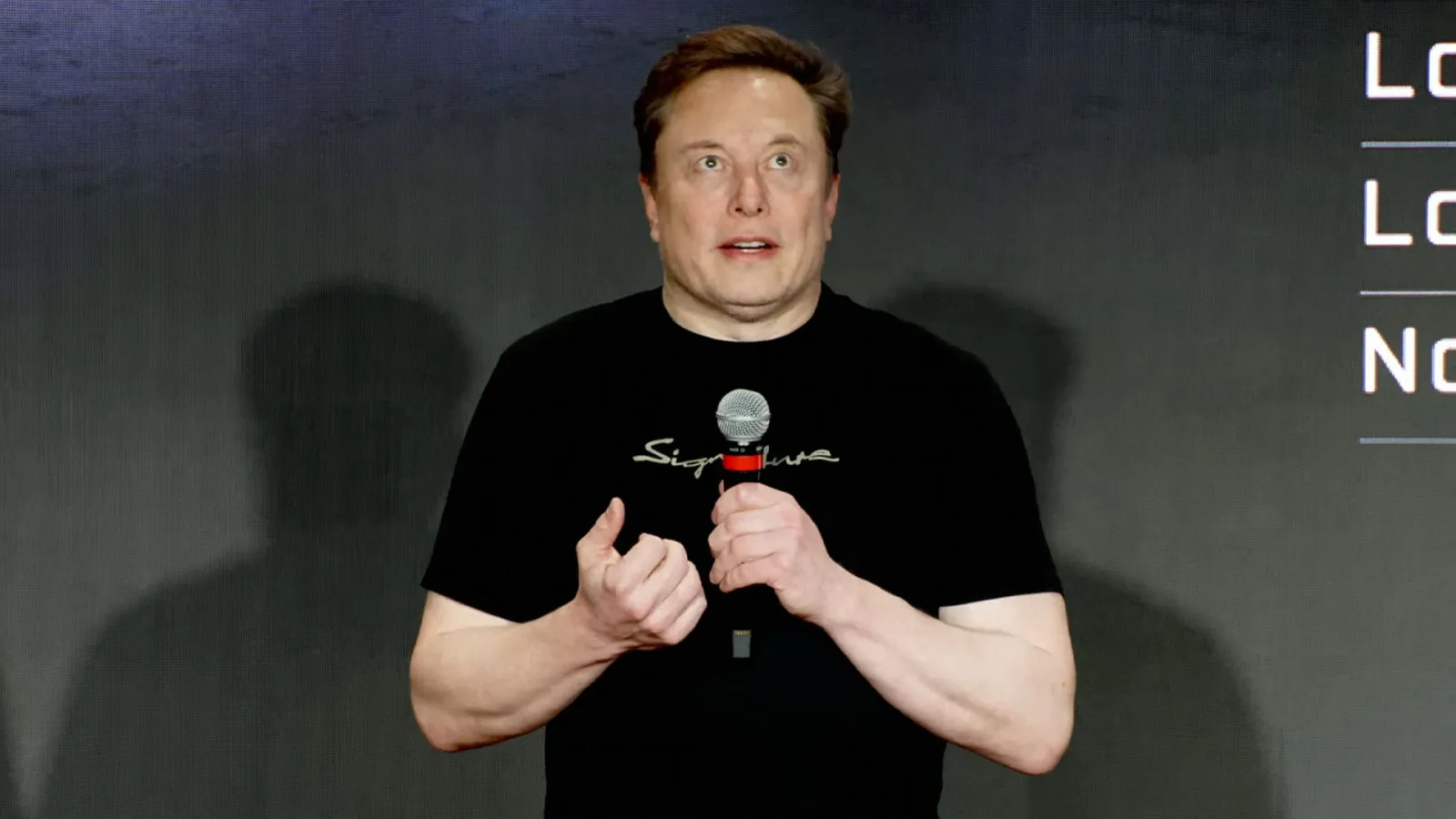
The bank has reiterated a price target of $352 on the Elon Musk-led company’s stock.
Spak last increased the target on January 29, 2026 — raising it to $352 from $307 while maintaining the Sell rating at the time — following Tesla‘s fourth quarter earnings results.
The reaffirmed price target is now in line with Tesla‘s closing price of $352.42 on Monday’s market session.
As of press time, Tesla was trading 3.7% higher at $365 on Tuesday’s market session.
By the time it was first set in late January, the stock was trading above $400.
Tesla reached a new all-time high of $498.83 on December 22 and closed 2025 at $449.72.
Since then, the company has lost around 21.6% of its value.
According to Spak, “using a 150x P/E [price to earnings ratio] multiple, the stock is currently pricing in $2.33 of 2027 EPS versus UBSe [UBS estimates] at $2.35 and consensus at $2.47.”
The analyst signaled that at current valuation levels, the market-implied earnings expectations are broadly in line with UBS’s own forecast and only modestly below consensus estimates.
Concerns
Spak said on Tuesday that Tesla‘s stock decline in the first three months of 2026 was driven by increased capital spending, concerns about demand for its EVs, and slow progress in non-automotive areas like Energy Storage, Optimus, and the Robotaxi.
“Recent concerns over EV demand, a 1Q26 energy shortfall, higher costs, higher capital spending requirements, and slow progress of robo-taxi and Optimus have weighed on stock, in our view,” Spak wrote.
The company missed Wall Street’s delivery consensus in the first quarter, reporting 358,023 vehicles delivered between January and March.
The figures showed a 6.3% year-on-year increase, when compared to the slower-than-usual first quarter of 2025 — when Tesla transitioned to the new Model Y.
On the energy side, Tesla deployed 8.8 GWh of energy storage products in the first quarter — well below analyst expectations of around 14.4 GWh.
“However, we do expect eventual progress on robo-taxi and Optimus,” Spak wrote in Tuesday’s note, “and continue to view TSLA as a leader in physical AI.”
Musk announced earlier this year that he expects the company to begin selling humanoid robots to public customers by the end of 2027, with limited production starting in late 2026 and mass production scheduled for 2027.
January Notes
In early January, Spak set a Sell rating on Tesla — shortly after the company reported fourth-quarter deliveries of 418,227 vehicles.
The results came slightly below the company-compiled consensus of 422,850 units.
At the time, the analyst argued that the bull case on Tesla was the Robotaxi and Optimus, but warned that “many of these ventures/milestones are already (more than) baked into the stock price.”
His view shifted later in January, after Tesla reported its fourth-quarter earnings results.
At the time, the analyst raised the price target to $352 from $307 — while keeping the Sell rating — over concerns of a major inflection in spending.
On the same earnings call, Tesla announced it would more than double capital expenditures to over $20 billion in 2026 — a 135% increase from the $8.5 billion invested in 2025 and the largest annual outlay in the company’s history.
By then, the company said it was investing $2 billion in xAI, the Musk-owned firm, which has recently been acquired by SpaceX.