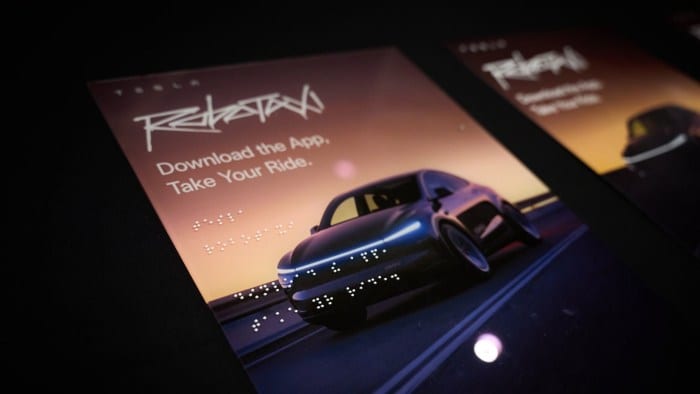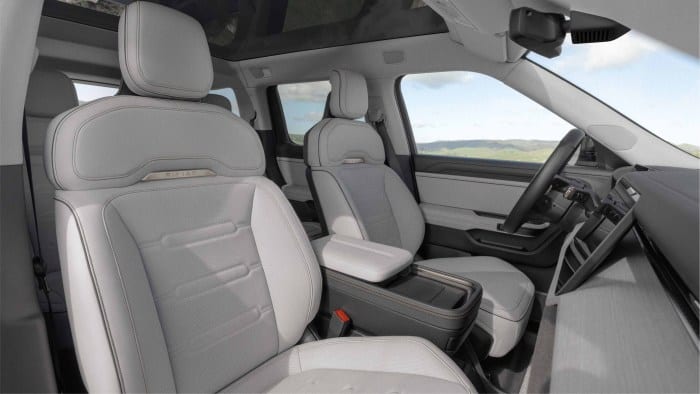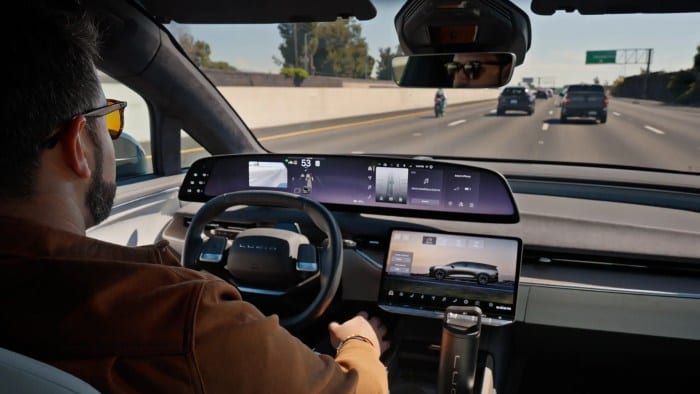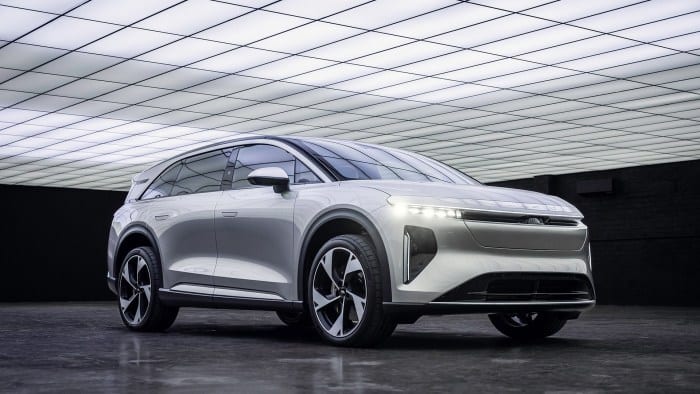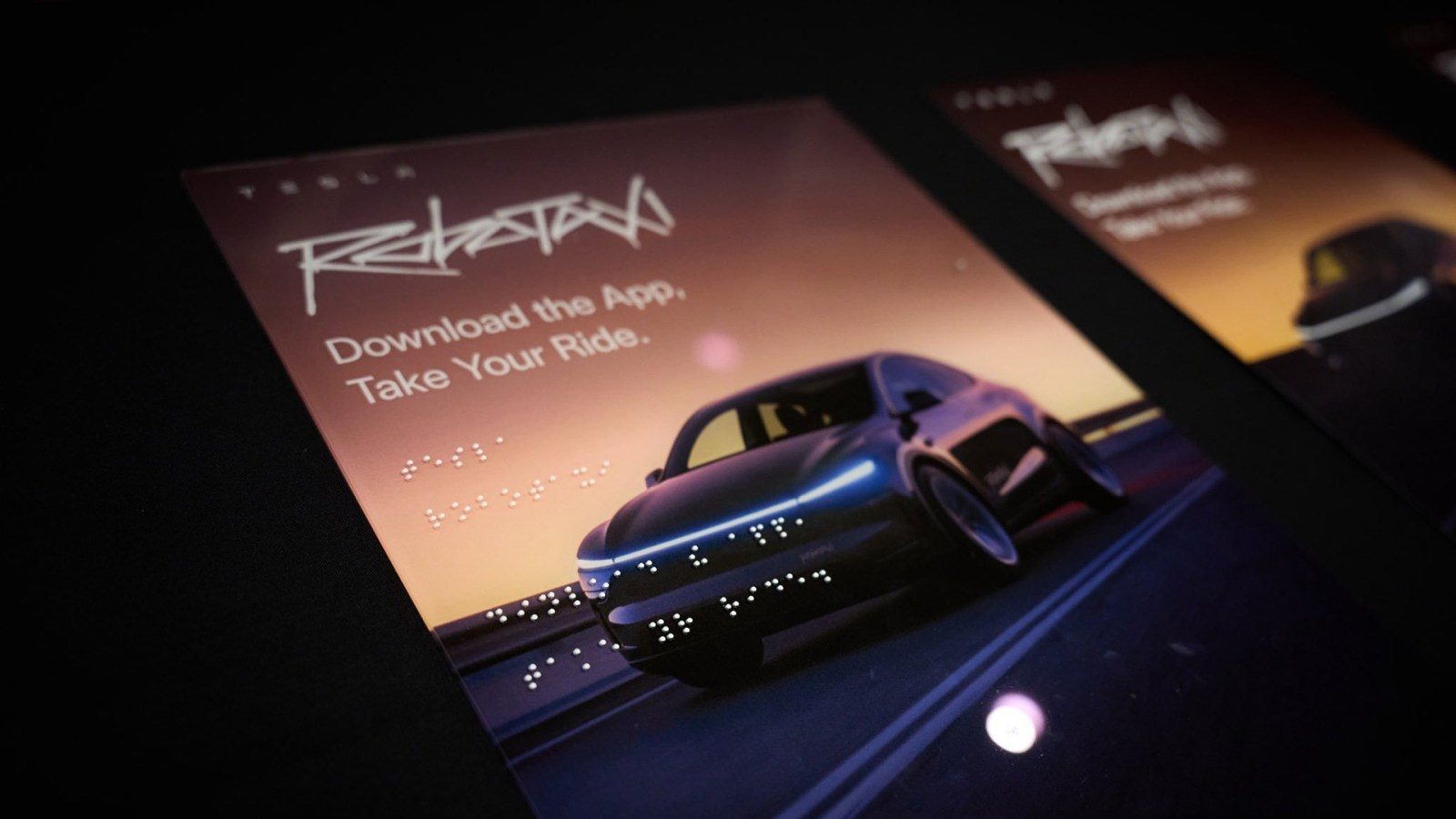

Tesla is limiting the hours of its Robotaxi service mainly because its vehicles struggle to see pets in the dark, CEO Elon Musk said, giving the company’s first explanation for why the driverless service does not run 24/7.
“The main thing we’re trying to solve is making sure that we don’t run over pets when they’re hard to see at night,” Musk wrote on X late on Friday. “Literally trying to avoid grey kittens on grey tarmac in the dark,” he added.
Musk was commenting on a one-hour extension of the service in Austin that was announced on Friday.
“Robotaxi in Austin now available until 11pm,” the service’s account had written 35 minutes earlier, announcing the extension from 10 pm.
Musk gave no date for 24-hour operation and did not say what Tesla is changing to solve the problem.
What the Post Leaves Open
Musk’s explanation describes a perception limit, and not one of demand, staffing or regulation.
Tesla’s vehicles rely on cameras alone, without the LiDAR or radar that rivals use to measure distance in the dark.
“LiDAR is a fool’s errand,” Musk said at a Tesla event in April 2019.
He has also argued that the cameras need no help at night.
“This is why Tesla FSD can see so well at night or through extreme glare,” Musk wrote on May 9, alongside two images comparing a conventional picture with what he called “the Tesla AI photon count reconstruction.”
Friday’s post is his first public acknowledgment that darkness is constraining the commercial service.
A Shorter Day Than at Launch
Even with the extra hour, the service closes earlier than it did on its first day.
Tesla launched Robotaxi in Austin on June 22, 2025, with rides “every day from 6:00 a.m. to 12:00 a.m.” and a company employee in the front passenger seat.
In California, where its cars carry a safety driver, Tesla went further in September 2025.
“Bay Area ride-hailing service now runs until 2am,” its AI account wrote that month.
Teslarati reported the same day that Austin’s service had also been extended to 2 a.m., which Tesla’s own post did not mention.
The company began removing its employees from the cars in Austin in January.
“Just started Tesla Robotaxi drives in Austin with no safety monitor in the car,” Musk wrote on January 22.
The closing time moved earlier this summer.
Riders began posting screenshots of a 6 a.m. to 10 p.m. window in the app on August 7, and Tesla confirmed it on August 26.
“Robotaxi now runs 6am to 10pm, 7 days/week,” the Robotaxi account wrote then, adding that the “unsupervised fleet is a lot bigger.”
Tesla gave no reason for the earlier closing time at the time.
The window applies in the six markets where Tesla runs vehicles with no employee on board, which are Austin, Dallas and Houston in Texas and Miami, Orlando and Tampa in Florida.
Its support page says only that “operating hours may vary by area.”
The 24/7 Target
Tesla has said round-the-clock service is close.
“Really wish robotaxi was available 24/7,” a rider wrote on X after Tesla’s launch event in Austin on September 3 for the Cybercab, its two-seat vehicle with no steering wheel or pedals.
“Next month or so,” Ashok Elluswamy, who leads Tesla’s AI software, replied on September 4.
“The next tech to merge on the v15 plan will enable it,” he added, referring to the next version of the company’s Full Self-Driving software.
Elluswamy did not say what that technology is, and Musk’s post did not mention it. A month later, the service has gained one hour in one city.
Regulators and Rivals
US safety regulators are examining how the same camera system copes with poor visibility in customer cars.
The National Highway Traffic Safety Administration (NHTSA) in March upgraded its investigation of Full Self-Driving to an engineering analysis covering about 3.2 million vehicles.
That inquiry concerns sun glare, fog and airborne dust and not darkness, and it covers the driver-supervised version of the software.
Waymo, the Alphabet unit that also operates in Austin, uses LiDAR, radar and cameras together.
“We’re on the road 24 hours a day, 7 days a week,” its help page says.
Its sensors have not made it immune to the problem Musk described. A Waymo vehicle struck and killed a neighbourhood cat in San Francisco in October 2025.
Waymo had 1,133 vehicles on the Texas registry in late September, according to an independent tracker of state records.
Tesla had 476 registered in the state, made up of 409 Model Ys and 67 Cybercabs, on the same basis. It has been adding Cybercabs since, with the total reaching 158 on Friday.
Registration is not the same as service, and the founder of one tracker said in September that about 300 of Tesla’s cars were running without a person on board.
At 17 hours, Austin’s new window is one hour shorter than the 18 hours Tesla offered when the service began.