
Bernstein analyst Daniel Roeska said on Monday that “the risks continue to outweigh opportunities” for US automakers as the companies prepare to report their second quarter earnings results.
Tesla will report its earnings on Wednesday, with Ford, GM and pure EV makers Lucid and Rivian set to follow in the coming weeks.
“While demand pullforward in April and May can mitigate near-term impact, investors will be looking for signs of confidence the tariffs can be mitigated and eventually reduced,” Roeska wrote.
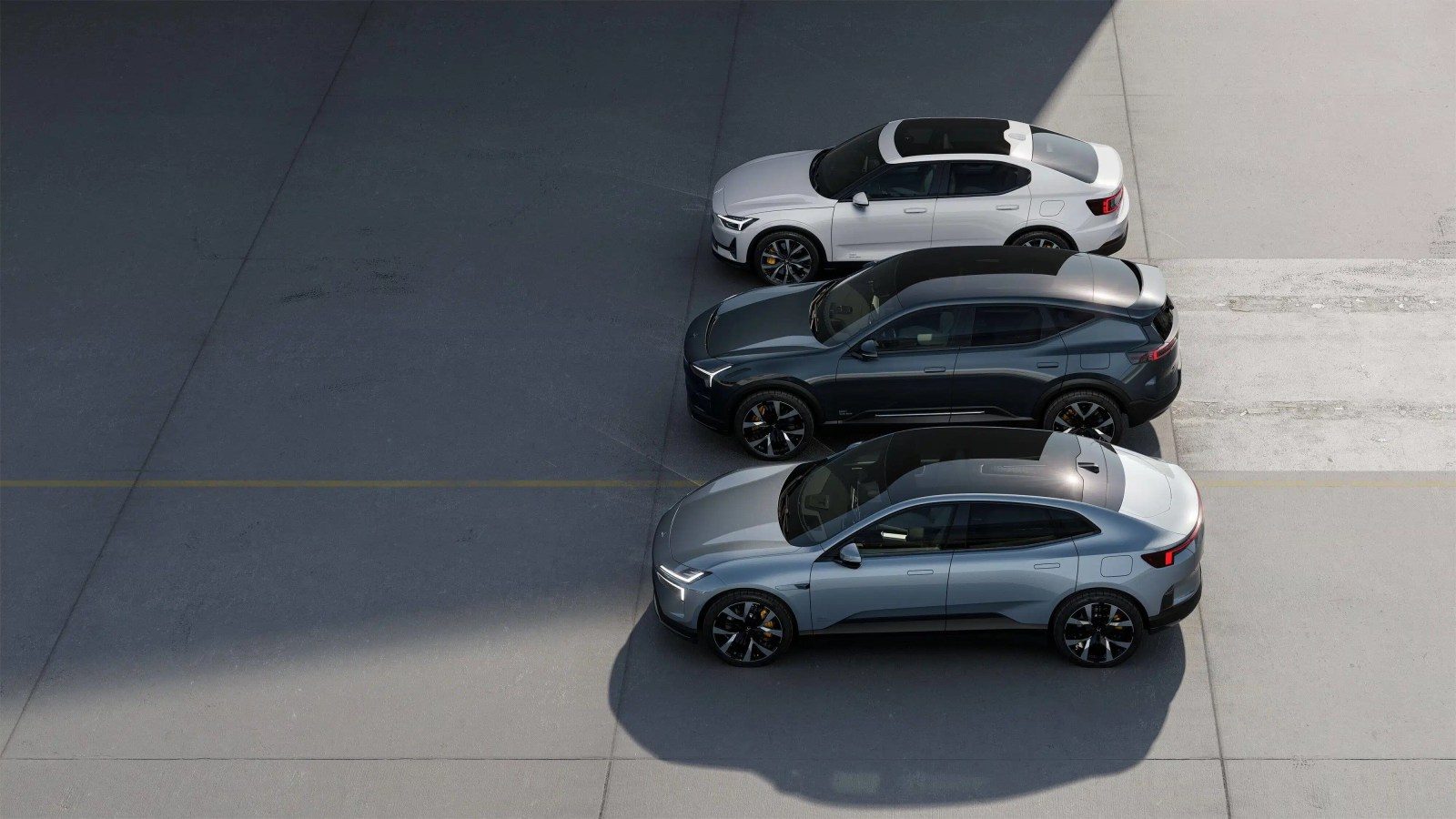
In a new research note, the analyst highlighted that the “tariff cost will be on full display” for automakers like Polestar, which relies on an “asset-light, global model” particularly vulnerable to trade tensions.
Its dependence on international production and supply chains add “complexity to its operations” and “raising doubts about long-term survival of the business.”
According to Roeska, the Geely-backed brand’s management needs a “strategy to address production.”
First quarter improvements and “fresh funding” have helped with “liquidity concerns.”
However, the analyst said that “net losses and heavy capital needs suggest that further dilution is likely, challenging the path to lasting profitability.”
The comments follow last week’s note from Cantor Fitzgerald with the analyst Andres Sheppard saying that the Gothenburg-based brand will need over $2 billion “through 2028” while warning for Polestar’s dependency on China production.
Polestar released its 2024 annual report in May, together with the first quarter’s earnings results.
By then, the company said it continues to “work closely with Geely Group on securing new equity and debt funding” while noting that it is “still at an acceptable debt level in relation to its loan covenants.”
Net loss in the January-March period reached $190 million.
In the second quarter, Polestar sales hit 18,049 vehicles, up by 46.7% sequentially and its best quarterly sales result since late 2022.
The figures were marked by sales records in several markets during June — it had its best sales month ever in the Netherlands, in Sweden and in the UK.
However, and according to Roeska, the “changing macroeconomic environment” and ” production cuts from several automakers for the second half will “delay any optimism.”
“Time is running out and OEMs need to prepare for an unenviable decision: stimulate sales by foregoing margin or raise prices and risk further volume deterioration,” he added.
On Monday, Stellantis reported a preliminary €2.3 billion ($2.7 billion) loss in the first half of 2025, citing the impact of US tariffs among the reasons.
Roeska noted that “tariff-induced pull-forward demand is masking underlying weakness,” with prices remaining “unchanged despite nearly a full quarter of tariff costs” — which suggests that “these costs have been absorbed.”
“Stable prices in the face of tariff costs” actually signal second quarter “earnings pressure,” the analyst wrote.
Even with second quarter delivery volumes indicating annual growth, Bernstein expects “sales to slow” in the second half, with the production cuts seemingly supporting the firm’s view.