Written by Samuel O’Brient | Edited by Cláudio Afonso
Earlier this year, U.S. President Joe Biden implemented tariffs against China. These import taxes were levied with the aim of protecting the interests of American workers and companies.
This policy stands to impact many sectors but few more so than the electric vehicle (EV) industry. Under it, the tariff on Chinese made EVs will rise from 25 per cent to 100 per cent on September 27. But one of China’s most prominent automakers will still be able to undermine all domestic EV producers on prices if it chooses to enter the U.S. market.
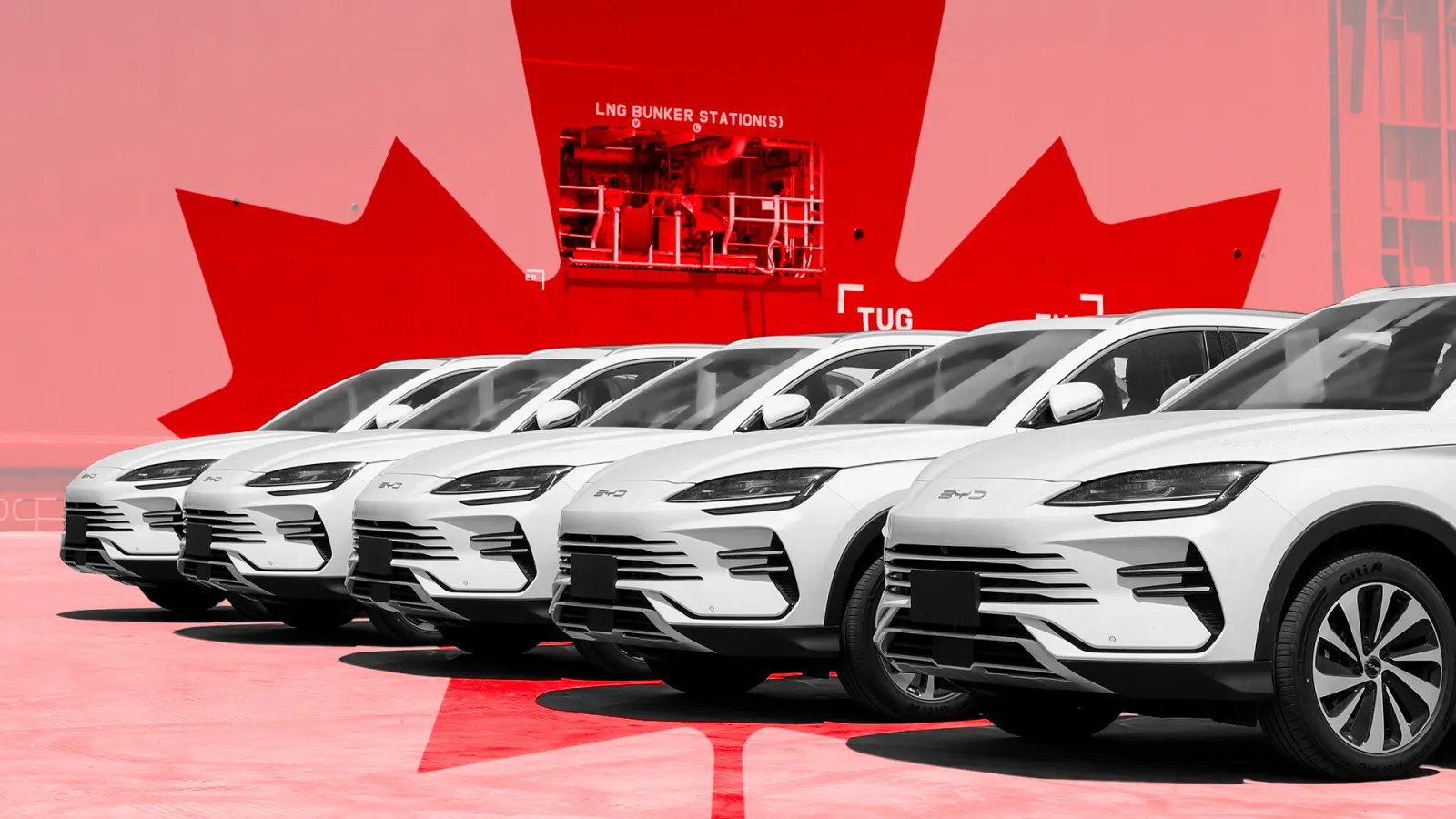
That company is BYD. The Chinese auto giant has sold 726,153 battery electric vehicles (BEV) in the first half of the year, up 17.73 per cent year-on-year. Only Tesla ranked higher with 830,766 units.
While BYD hasn’t started selling in the U.S. yet, the threat that it poses to U.S. automakers hasn’t gone unnoticed.
In May 2024, The Associated Press reported that both American politicians and companies were worried by the popularity of the Seagull, a small EV built by BYD that sold for the equivalent of between $10,00 and $12,000 in China. Last month, this vehicle became China’s top selling car.
Joe McCabe, CEO of AutoForecast Solutions recently addressed the possibility of BYD entering the U.S.
He confirmed that even with the 100% tariff on Chinese EVs, which takes effect on September 7, BYD would still be able to sell EVs in the U.S. for significantly lower prices than any American company. According to his estimates, “BYD’s lowest-priced EV for the US would be $12,000.”
Recent data indicates that the least expensive EV available in the U.S. is currently the 2023 Fisker Ocean Sport FWD, priced at $28,124.
Just behind it is the 2025 Nissan Leaf S, with a price tag of $29.280. As of now, that’s the lowest range of what U.S. consumers can expect to pay for a new EV.
If BYD is able to offer vehicles priced at $12,000 or below, it will likely pose significant problems for all companies that currently sell EVs there.
The Biden administration’s tariffs have kept the Chinese giant out of the U.S. so far but now it seems that even a 100% tax rate can’t stop BYD from offering the type of unprecedented low prices that the country has never seen.
Written by Samuel O’Brient | Edited by Cláudio Afonso