
General Motors denied on Wednesday that it had canceled any electric trucks, after a Crain’s Detroit Business report said the automaker had indefinitely suspended production of its next-generation program.
A company spokesperson told Motor1 that “GM has not canceled any electric trucks.”
They reaffirmed the Detroit automaker’s commitment to electrification, saying that “EVs remain the endgame for GM and we are firmly committed to our award-winning electric truck and SUV portfolio, along with our advanced technology roadmap.”
Additionally, the spokesperson noted that there is no impact on production or availability of the current battery electric truck portfolio.
Detroit Business Report
Three sources told Crain’s Detroit Business that GM had recently informed suppliers about a halt in its electric truck program.
The next-generation models were previously planned for production around 2028. However, according to the outlet, no new timeline was provided.
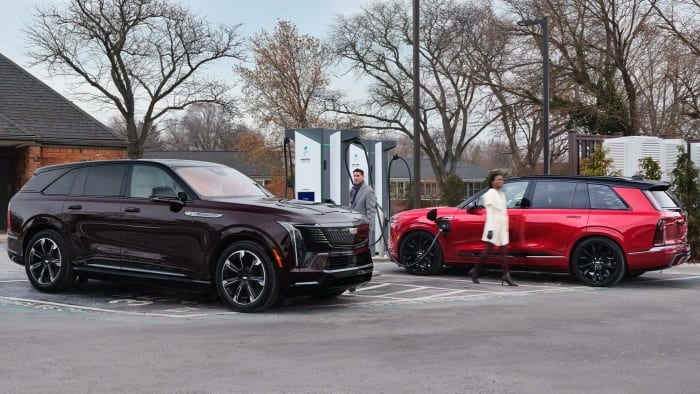
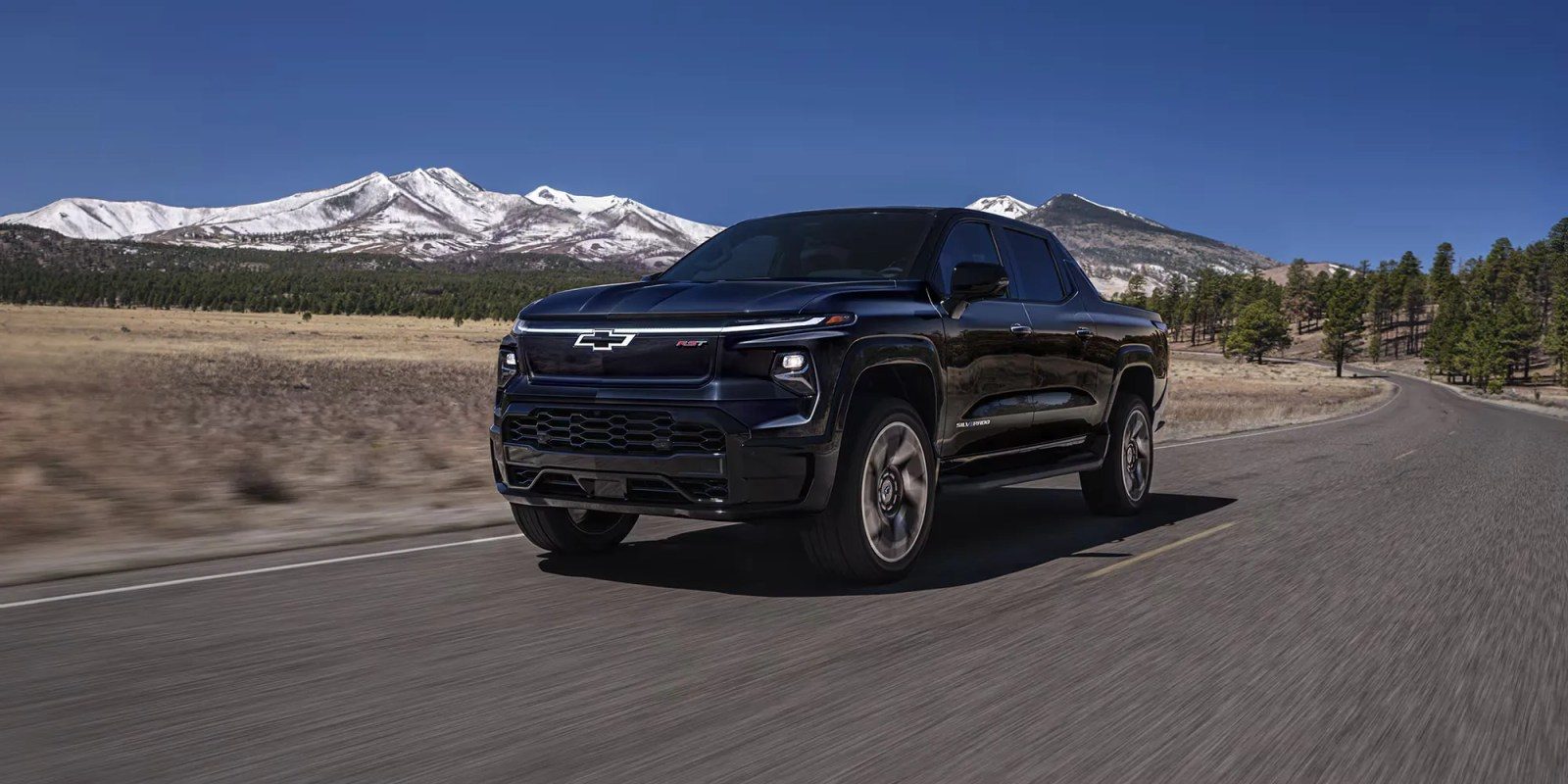
The program is expected to bring updated, lower-cost versions of the Chevrolet Silverado EV, GMC Sierra and Hummer EVs, and Cadillac Escalade IQ.
According to the report, GM is expected to bring plug-in hybrid versions of the Silverado and Sierra to another Michigan plant where it will produce gasoline-powered trucks.
The scenario follows structural changes to its manufacturing footprint last year, which included three facilities — Orion in Michigan, Fairfax in Kansas, and Spring Hill in Tennessee — sharing a $4 billion investment to expand production of ICE-powered vehicles.
Last July, General Motors told its employees that it would switch to production of internal combustion engine (ICE) vehicles in Orion, instead of the previously planned Silverado and Sierra EVs.
The automaker is also reportedly engaging with suppliers about developing an extended-range EV propulsion system — a technology that uses a small combustion engine as a generator to recharge the battery.
GM currently offers no hybrid vehicles in the US market. Ford and RAM are also moving in that direction.
The Jim Farley-led company cancelled the fully-electric F-150 Lightning and is developing an extended-range version instead, while the latter dropped the purely electric variant of its 1500 truck in favor of a similar approach.
Restructured EV Plans
The report comes as GM‘s electric truck sales continue to decline.
Through the first quarter, the electric Silverado, Escalade IQ, and Hummer EV saw sales fall by 41.0%, 26.8%, and 52.2%, respectively.
The Sierra EV sales rose just 3.1%, with 1,288 units sold between January and March compared to 1,249 a year earlier.
The broader US EV market fell 27% year over year in the first quarter, according to Cox Automotive, as the market adjusts to the absence of the federal $7,500 tax credit, which expired on September 30.
All three Detroit automakers reported multibillion-dollar losses last year as they scaled back EV-related projects.
Ford said in December it expected a $19.5 billion impairment, while Stellantis announced €22.2 billion ($26 billion) in charges last month.
The Mary Barra-led company has recorded $7.6 billion in EV-related charges over the past year, driven by cancelled supplier contracts, unused EV equipment, and a restructuring of its production footprint.
CFO Paul Jacobson said in March that the company is working to settle $4.2 billion in cash payments tied to the restructuring by the end of the second quarter.
Production Pullback
Earlier this month, the company temporarily idled 1,300 workers at Factory Zero — the Detroit plant where all of its electric trucks are assembled — for the second time in three months.
The facility had already been cut from two shifts to one in October, when 1,200 workers were permanently let go.
Late last year, GM also shut down its BrightDrop electric commercial van business — and carried out multiple rounds of layoffs affecting thousands of workers across North America.
In Canada, the company moved forward with layoffs at its Oshawa and Ingersoll plants, citing forecasted demand and the evolving trade environment.
Barra’s EV Commitment
In 2021, GM announced it was investing $35 billion in electric and autonomous vehicles and targeted becoming electric-only by 2035 — plans that have since been dramatically scaled back.
Barra herself set a competitive tone with EV market leader Tesla, when she told CNBC she was “absolutely” convinced GM would surpass the company in US share by 2025.
That target was not met — Tesla‘s share remained at least three times larger than GM‘s combined brands throughout the year — but the company still finished 2025 as the second-largest EV seller in the country, with a 48% year-over-year increase in electric vehicle registrations.
Despite the scale of the restructuring, GM‘s leadership has continued to signal long-term commitment to electric vehicles throughout the past few months.
CEO Mary Barra said in January that the company’s “destination is to get to the all-EV future,” while acknowledging the difficulty of planning long-term investments when government policy swings between administrations.
Board member Jon McNeill said last month that rising oil prices are already boosting US EV demand, and drew a distinction between GM and its competitors.
General Motors “designed EVs from the ground up that are pretty compelling cars,” he stated, as opposed to other legacy automakers.