China’s auto market is expected to see limited activity in February as the Chinese New Year holiday halts dealership operations and logistics during “the core period of the month,” the country’s Passenger Car Association (CPCA) warned on Monday.
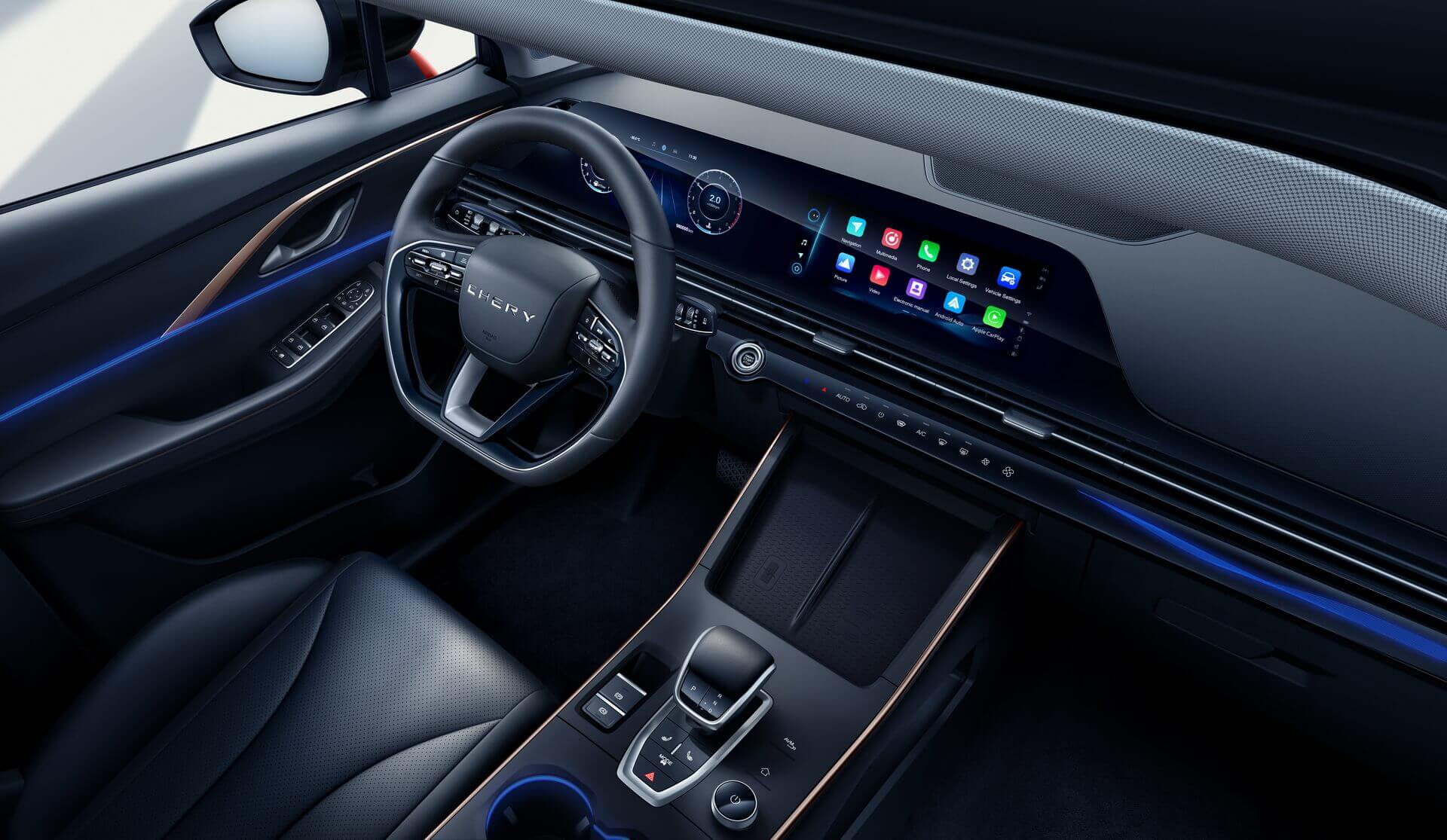
While noting that the Chinese giant Chery Automobile will release a new model — named QQ3 — in the market this month, CPCA said that most vehicle launches “are expected to be limited.”
The Spring Festival holiday runs from February 15 to February 23 this year, making it the longest in history at nine consecutive days.
Factories, showrooms, and delivery networks across the country typically shut down for the duration, bringing vehicle sales and production to a near standstill.
“The slowdown was compounded by demand pulled forward at the end of 2025 due to policy changes, leaving automakers with elevated inventory levels,” the CPCA said.
Several carmakers are also planning to release new models at the upcoming Beijing Auto Show — which is scheduled to take place from April 24 to May 3.
Demand Pulled Forward
China reintroduced a 5% purchase tax on new energy vehicles starting January 1, ending more than a decade of full exemptions from the standard 10% levy.
The policy shift prompted buyers to accelerate purchases in late 2025, leaving dealers with high inventory and weaker demand heading into the new year.
The later timing of the 2026 Spring Festival and contributions from exports helped offset some of the front-loading impact, CPCA said.
2025 Results
China’s new energy passenger vehicle manufacturer sales rose 25% year over year in 2025, meeting the growth targets set under the 14th Five-Year Plan for the NEV market.
The CPCA had previously noted that, with the expiration of the NEV purchase tax exemption policy at the end of 2025, the market in China “entered a post-policy recovery phase in January 2026.”
“Some consumers pulled forward purchases into December to capture the final policy benefits, creating a noticeable front-loading effect that weighed on January volumes,” it added last month.
However, the association noted that January 2026 NEV sales still achieved positive year over year growth — a better outcome than previous policy expirations.
National NEV passenger vehicle sales fell 54% in January 2021 after NEV subsidies ended in 2020, and declined 8% in January 2024 after subsidies expired in 2023.
January 2026 Weakness
BYD Co., which last year surpassed Tesla as the world’s largest EV maker, sold 83,249 battery-electric passenger cars in January — the lowest monthly figure since February 2024.
Shares of the Shenzhen-headquartered company fell sharply on February 2 to a new 16-month low in reaction to the weaker than expected demand.
As reported by EV earlier this Monday, BYD has recently expanded to Egypt, marking another step in its overseas push.
The Chinese giant had debuted in the Iraqi market in mid December with its Shark pickup truck.